How to Propagate Texas sacahuista?
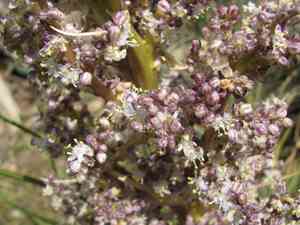
A member of a distinct genus recognized for its hardiness and aesthetic qualities, texas sacahuista is efficiently multiplied via cuttings. This robust plant, thriving in dry environments, capably reproduces using a technique that fosters root formation from established stem sections. A useful recommendation for those looking to propagate is to guarantee that the cuttings originate from vigorous, pathogen-free specimens. To achieve the best development, the stem cuttings ought to be permitted to form a callus prior to planting, which improves the likelihood of successful rooting. A growing medium that drains effectively emulates texas sacahuista's natural environment and promotes robust root growth.
Optimal Period for Texas Sacahuista Propagation
Propagation Method
Cutting
Propagation Period
Spring,Summer
Tools Required for Texas Sacahuista Propagation
Sharp, clean pruning shears
These shears are crucial for making precise cuts on texas sacahuista's robust, fibrous leaves and stems during the cutting process. A clean cut helps ensure minimal damage to parent plants and improves the survival rates of the cuttings. Using sterilized shears also prevents the spread of diseases.
Rooting hormone powder or gel
This product aids in the development of roots in texas sacahuista's cuttings. By dipping the cut end of a leaf or stem cutting into rooting hormone, you can significantly increase the likelihood of successful rooting, which is crucial for texas sacahuista's propagation because it can sometimes be slow or difficult to root.
Well-draining potting mix
A mix specifically formulated for succulents or cacti is ideal for texas sacahuista, which requires good drainage to prevent root rot. This type of medium provides the necessary aeration and moisture retention to support the development of new roots from cuttings.
Small pots or propagation trays
Using appropriately sized containers for the initial stages of rooting can help manage the moisture environment around the texas sacahuista's cuttings. Proper pot sizing is crucial for avoiding excess soil moisture, which could lead to fungal infections or rot.
Plastic covers or mini greenhouses
These are used to maintain a high humidity environment around texas sacahuista's cuttings, which helps prevent the cuttings from drying out before they have established roots. The controlled environment also protects the vulnerable cuttings from external stress factors.
How to Propagate Texas Sacahuista?
Propagation Type
Moderately Difficult
Caring for Your Newly Propagated Texas Sacahuista
Caring for Your Newly Propagated Texas Sacahuista
Following successful propagation, ongoing care for texas sacahuista involves placing them in a location that receives partial to full sunlight. They are drought-tolerant plants, so allow the soil to dry out slightly between waterings. Avoid overwatering, as texas sacahuista is susceptible to root rot. Gradually acclimate new plants to outdoor conditions if they were propagated indoors. Monitor for pests and diseases, treating them promptly if necessary. As texas sacahuista matures, it will require minimal maintenance, being well-suited to xeriscaping and arid garden designs.
Frequent Errors to Avoid When Propagating Texas Sacahuista
Overwatering
Watering texas sacahuista too frequently can lead to root rot due to its preference for dry conditions. This creates an inhospitable environment for root development during propagation.
Using Poorly Draining Soil
Propagating texas sacahuista in soil that doesn't drain well can cause water to accumulate around the roots, which increases the risk of rot and fungal diseases.
Ignoring Pup Separation Timing
Separating pups from the parent texas sacahuista either too early or too late can affect their chances of survival. It can result in insufficiently developed pups or harm the parent plant.
Advice for Propagating Texas Sacahuista
Well-draining Soil
Use a cactus mix or create a well-draining soil composition for texas sacahuista to promote healthy root growth without water retention that could lead to rot.
Proper Pup Separation
Carefully separate pups from the mother texas sacahuista when they have developed their own roots. Ensure a clean cut to promote healthy regrowth on both the pup and the parent plant.
Adequate Light Exposure
Provide texas sacahuista with plenty of indirect light to promote photosynthesis and growth, but avoid direct sunlight which can scorch the leaves.



