How to Prune Texas sacahuista?
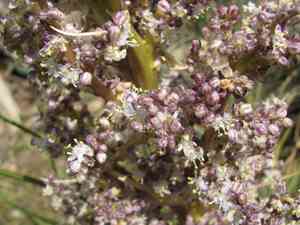
This enduring, grass-like flora flourishes in dry climates, featuring elongated, slender foliage. To best care for texas sacahuista, trimming ought to concentrate on eliminating withered or injured leaf sections near the soil line. The period of pruning is vital; winter trimming enables texas sacahuista to preserve its vigor and get ready for springtime development. Pruning improves the plant's form and well-being by averting decay and illness. Cultivators must employ sharp, sanitized implements for accurate incisions, safeguarding the primary growth center.
What Are the Benefits of Pruning Texas Sacahuista?
What Are the Benefits of Pruning Texas Sacahuista?
Trimming texas sacahuista encourages vigorous development and helps maintain its desired shape. Eliminating spent foliage or overgrown stems promotes a more compact, healthier specimen with a neater look, contributing to its longevity and visual appeal.
What Is the Best Time for Pruning Texas Sacahuista?
What Is the Best Time for Pruning Texas Sacahuista?
Late winter is the optimal time for pruning texas sacahuista because the plant is in a dormant state, ensuring minimal stress from the process. During this period, its annual growth cycle is typically complete, and cooler temperatures reduce the risk of disease transmission and pest infestation associated with fresh pruning wounds. Pruning before new spring growth allows for shaping and removal of dead or damaged tissues, fostering healthy growth and flowering in the upcoming season. This is also an ideal time to thin foliage, improving light penetration and air circulation, which benefits the overall vitality of texas sacahuista.
What Tools Do I Need to Prune Texas Sacahuista?
By-pass Hand Pruners
Perfect for making precise cuts on the thinner, non-woody parts of texas sacahuista. These minimize plant tissue damage and are excellent for detailed tasks like removing spent flower stalks or dead leaves.
Long-handled Loppers
Useful for reaching into the dense foliage of texas sacahuista to make targeted cuts without inadvertently harming surrounding leaves or the plant's base.
Pruning Saw
Effective for cutting through thicker, woody sections of the plant that bypass pruners and loppers cannot manage. The saw enables controlled and precise removal of larger growths from texas sacahuista.
Gardening Gloves
Protective gear is essential for safely handling texas sacahuista, as its leaves can be tough and fibrous, reducing the risk of scratches or skin irritation for the gardener.
Safety Goggles
A protective measure to shield the gardener's eyes from any sharp leaves or debris that might dislodge during the pruning of texas sacahuista.
Garden Shears
Useful for shaping and thinning the foliage of texas sacahuista, these shears can be used when general trimming of unruly leaves is necessary.
How to Prune Texas Sacahuista
Identification
Inspect texas sacahuista for withered leaves, dead branches, and diseased branches that need trimming. Prioritize sections impacting the plant's overall health and appearance.
Sanitization
Disinfect pruning tools with rubbing alcohol or a 10% bleach solution to prevent the spread of pathogens to texas sacahuista during the pruning process.
Pruning Withered Leaves
Gently remove withered leaves from texas sacahuista by hand if they detach easily, or use sharp scissors to cut them at the base without harming healthy tissue.
Pruning Dead Branches
Use a clean, sharp pair of pruning shears to cut dead branches from texas sacahuista. Make the cut at the branch's base, close to the trunk, to promote better healing and discourage new growth from the cut sites.
Pruning Diseased Branches
Identify and remove diseased branches from texas sacahuista by cutting well below the affected area to ensure complete removal of the diseased tissue. Dispose of the diseased material properly, away from healthy plants.
Common Pruning Mistakes with Texas Sacahuista
Overpruning
Removing too many leaves or shoots at once can stress texas sacahuista and diminish its ability to photosynthesize effectively.
Cutting Into Old Wood
Making cuts into old, mature parts of texas sacahuista can hinder proper healing and lead to disease.
Ignorance Of Natural Shape
Pruning without considering the natural form of texas sacahuista may result in an unbalanced and aesthetically unpleasing appearance.
Using Dull Tools
Dull pruning tools can damage plant tissues, leading to jagged cuts that may attract pests and diseases.
Dirty Equipment
Using uncleaned pruning tools can spread pathogens, potentially infecting texas sacahuista with diseases.
Common Pruning Tips for Texas Sacahuista
Selective Thinning
Remove dead or damaged leaves by gently pulling them; this helps maintain the natural form of texas sacahuista and encourages new growth.
Clean Cuts
Make clean cuts using sharp, disinfected pruning tools to ensure rapid healing and reduce the risk of disease.
Moderate Pruning
Prune conservatively, as texas sacahuista does not require extensive cutting back. Focus only on necessary thinning for plant health and aesthetics.
Annual Assessment
Check texas sacahuista annually to identify sections that may benefit from pruning without strictly adhering to a pruning schedule.
Protect The Crown
Avoid cutting into the crown of texas sacahuista, as this can cause significant harm to the plant and may lead to its decline.



