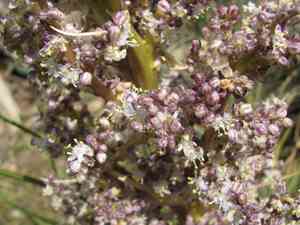
Texas sacahuista (Nolina texana)
Also known as: Devil's shoestring, Sacahuista
The Texas sacahuista (Nolina texana) is an evergreen perennial native to central Texas and New Mexico. Its durable leaves have been traditionally utilized for basket weaving. This resilient plant is also popular in landscaping, particularly in rock gardens, on slopes, and in containers due to its ornamental appeal and drought resistance.
In This Article
Attributes of Texas sacahuista
Lifespan
Perennial
Plant Type
Shrub
Plant Height
46 cm to 61 cm
Spread
60 cm to 1.2 m
Leaf Color
Green Blue Bronze
Flower Size
6 mm to 1.3 cm
Flower Color
White Yellow Green
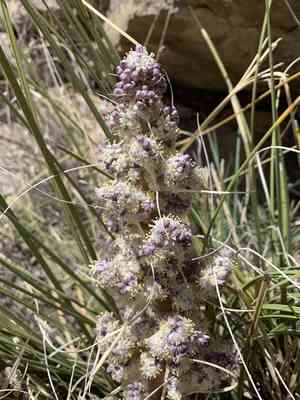
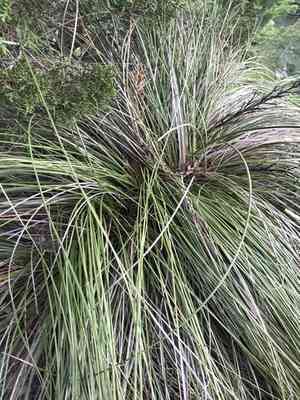
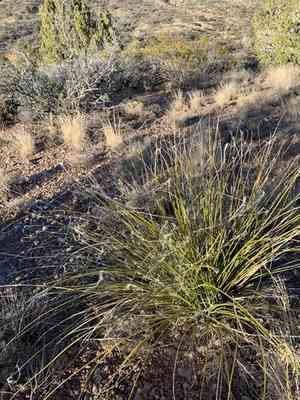
Images of Texas sacahuista
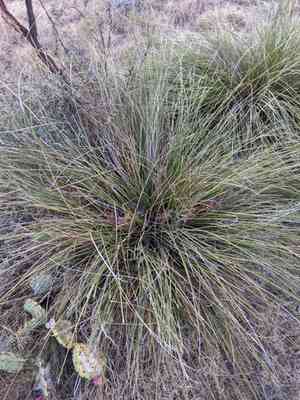
Quickly Identify Texas sacahuista
1
Nolina texana can be identified by its rosette of long, tough, grass-like leaves. The leaves are typically dark green and have a finely serrated edge. The plant also forms a thick, woody base with age.
Scientific Classification of Texas sacahuista
Phylum
Vascular plants
Class
Monocotyledons
Order
Asparagales
Family
Asparagus
Genus
Beargrasses
Species
Texas sacahuista
Planting and Growing of Texas sacahuista
Care Difficulty
Easy
Watering Schedule
Every 2 days
Sunlight Requirements
Full sun
Sunshine Duration
4-8 hours
Ideal Temperature
65-75℉
Soil Type
Potting Mix, Peat Mix
Soil pH
6.5-7.5
Fertilizer Type
Balanced
Pruning Season
Spring, Summer
Pruning Area
Branches, Leaves
Pruning Frequency
2 times a year
Repotting Season
Spring
Pot Type
Plastic, Ceramic
 How to Water Texas sacahuista?
For Nolina texana, it's essential to provide just enough water to keep the soil slightly moist but never soggy. A general rule of thumb is to allow the soil to dry out between waterings, and then water thoroughly with around 250 ml, ensuring the water reaches the roots without standing in the drainage tray for long.
What are the symptoms of an underwatered Texas sacahuista?
›
What should I do if my Texas sacahuista is not getting enough water?
›
What are the symptoms of an overwatered Texas sacahuista?
›
How to save an overwatered Texas sacahuista?
›
 What Are the Sunlight Requirements for Texas sacahuista?
Enjoys partial to full sun exposure, benefiting from consistent bright light to enhance its aesthetic and physiological attributes, such as color vibrancy and structural vigor.
More About Sunlight Requirements Techniques→
What is the ideal lighting condition for Nolina texana?
›
How can you achieve ideal lighting for Nolina texana?
›
What are the benefits of providing ideal light to Nolina texana?
›
 What Is the Ideal Temperature Range for Texas sacahuista?
Nolina texana thrives best in temperatures ranging from 65°F to 75°F. These conditions mimic their native habitat and ensure optimal growth and health. Consistent temperatures within this range support strong growth and vibrant foliage.
 What Soil is Best for Texas sacahuista?
Nolina texana thrives in well-draining soils, preventing root rot. Adequate drainage mimics its natural arid environment, ensuring root health and plant vigor. The plant prefers sandy or loamy soils that allow for easy root penetration and aeration. This ensures nutrients and water reach the roots efficiently. Nolina texana is adapted to survive in nutrient-poor soils, reducing the need for fertilization. This promotes hardy growth suitable for xeriscaping.
 How to Fertilize Texas sacahuista?
For Nolina texana, also known as Texas Beargrass, moderation is key. Each time you fertilize, use a balanced fertilizer diluted to half its recommended strength. This avoids overwhelming the plant's root system with excessive nutrients, ensuring steady and sustainable growth.
 How to Prune Texas sacahuista?
Begin by removing any brown, wilted, or damaged leaves. These are usually found at the base of the plant and can be easily cut back to where they meet the healthy foliage. Nolina texana has a distinctive, symmetrical shape. Trim away any wayward leaves that disrupt this balance, focusing on even distribution to enhance its natural landscape prominence. To avoid cross-contamination, wipe your tools with a disinfectant between cuts, especially after removing diseased parts. This practice protects both Nolina texana and other nearby plants.
More About Pruning Techniques→
 How to Propagate Texas sacahuista plant?
1
Fill the seed tray with a sterile potting mix, ensuring it is well-aerated. Moisten the mix evenly, avoiding over-saturation, as this can lead to fungal growth and seed rot.
2
Distribute the Nolina texana seeds evenly across the surface of the potting mix. Lightly press them into the soil to ensure good contact but do not cover them with too much soil, as they need light exposure to germinate.
3
Place the seed tray in an area that receives bright, indirect sunlight. Maintain a consistent temperature of approximately 70°F (21°C) to encourage germination, which typically occurs within 21-30 days.
 How to Repot Texas sacahuista plant?
1
Nolina texana should be considered for repotting when roots start peeking out from drainage holes or when growth noticeably slows. The best time is during its growing season in spring or early summer to minimize stress.
2
Select a pot slightly larger than the current one, preferably made of clay or ceramic, to allow the roots ample room to expand. A pot that's too large can hold excess moisture, potentially leading to rot.
3
Opt for a soil that is rich in organic matter and provides excellent drainage, such as a cacti or succulent mix. This prevents root rot and facilitates the perfect balance of nutrients and drainage.



