How to Transplant Parry's beargrass?
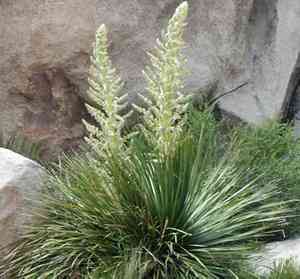
Parry's beargrass flourishes when relocated during the temperate periods of mid-to-late spring or late autumn. It necessitates a bright spot with soil that drains effectively to guarantee proper rooting. Sufficient groundwork promotes robust development.
What Preparations are Needed Before Transplanting Parry's Beargrass?
What is the Ideal Time for Transplanting Parry's Beargrass?
Parry's beargrass should ideally be moved in mid to late spring or late fall. These periods offer milder temperatures and increased moisture, reducing transplant shock and encouraging root establishment. Moving parry's beargrass during these times ensures optimal growth conditions, ultimately leading to a healthier, more vigorous plant.
How Much Space Should You Leave Between Parry's Beargrass Plants?
For transplanting parry's beargrass, make sure to space each plant about 36-48 inches (91-122 cm) apart. This allows them enough room to grow and ensures proper air circulation.
What is the Best Soil Mix for Parry's Beargrass Transplanting?
Prepare well-draining soil for parry's beargrass. Sandy or loamy soil works best. Mix in a balanced, slow-release fertilizer to enrich the soil before planting. This gives parry's beargrass the nutrients it needs to thrive.
Where Should You Relocate Your Parry's Beargrass?
Choose a sunny location for parry's beargrass. It should receive full sun for most of the day, which is around 6-8 hours of sunlight daily. This helps parry's beargrass grow strong and healthy.
What Equipments Should You Prepare Before Transplantation Parry's Beargrass?
Gardening Gloves
To protect your hands while working with the soil and plant.
Shovel or Spade
For digging and lifting the plant from its original location.
Trowel
To help with digging and placing the plant in its new location.
Pruning Shears
To trim any damaged or excessively long roots.
Wheelbarrow
To transport the plant from its original location to the new site.
Watering Can or Hose
For watering the plant during and after transplantation.
Mulch
To help retain moisture in the soil after transplanting.
How Do You Remove Parry's Beargrass from the Soil?
How Do You Remove Parry's Beargrass from the Soil?
From Ground: First, water the parry's beargrass plant to dampen the soil. Then, dig a wide trench around the plant using a shovel or spade, ensuring the plant's root ball remains intact. Carefully work the spade under the root ball to lift the plant from its original location.From Pot: Water the parry's beargrass plant thoroughly before removing it. Gently tap the sides of the pot to loosen the soil and carefully slide the plant out, supporting the root ball as you do so.From Seedling Tray: Water the seedlings lightly. Use a small trowel or spoon to gently lift each seedling from the tray, taking care not to damage the delicate roots.
Step-by-Step Guide for Transplanting Parry's Beargrass
Prepare New Hole
Dig a hole in the new location that is twice as wide and just as deep as the root ball of the parry's beargrass plant.
Loosen Plant Roots
If the roots are tightly bound, gently loosen them with your fingers to encourage spreading.
Place Plant in Hole
Place the parry's beargrass plant into the hole at the same depth it was growing previously, making sure the top of the root ball is level with the ground surface.
Backfill and Firm Soil
Backfill the hole with soil, pressing gently but firmly around the base of the plant to eliminate air pockets.
Water Thoroughly
Water the newly transplanted parry's beargrass plant deeply to help settle the soil around the roots.
Mulch Around Plant
Apply a layer of mulch around the base of the plant to help retain moisture and suppress weeds.
How Do You Care For Parry's Beargrass After Transplanting?
Watering
Keep the soil around the parry's beargrass consistently moist, but not soggy, for the first few weeks after transplanting to help establish strong roots.
Monitoring
Check the plant daily for signs of stress, such as wilting or yellowing leaves, and adjust care as needed.
Support
If the plant is tall or floppy, consider staking it to provide support during the establishment period.
Weeding
Keep the area around the parry's beargrass free of weeds to reduce competition for nutrients and water.
Mulching
Reapply mulch as needed to ensure moisture retention and temperature regulation around the plantâs roots.
Troubleshooting Common Issues with Parry's Beargrass Transplantation.
When is the best time to transplant parry's beargrass?
Mid to late spring or late fall is ideal for transplanting parry's beargrass.
How far apart should I space parry's beargrass?
Space parry's beargrass plants 36-48 inches (91-122 cm) apart for optimal growth.
How should I prepare the soil before transplanting parry's beargrass?
Ensure the soil is well-draining and add organic matter to enrich it.
What is the ideal depth for planting parry's beargrass?
Plant parry's beargrass at the same depth it was growing before transplanting.
How should I water parry's beargrass after transplanting?
Thoroughly water parry's beargrass immediately, then regularly until it is established.
What should I do if parry's beargrass is wilting after transplanting?
Ensure it receives adequate water and is not exposed to extreme conditions.
How do I protect parry's beargrass from pests after transplanting?
Monitor for pests and use organic insecticides or barriers if needed.
Should I fertilize parry's beargrass immediately after transplanting?
Wait a few weeks after transplanting before applying a balanced fertilizer.
How long does it take parry's beargrass to establish after transplanting?
It typically takes a few weeks to a couple of months to establish.
What should I do if parry's beargrass shows signs of transplant shock?
Provide extra care, such as consistent watering and possibly some shade, to help it recover.



