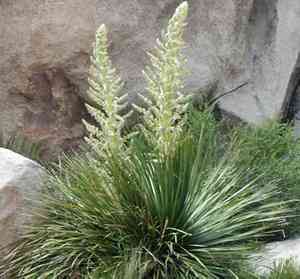
Parry's beargrass (Nolina parryi)
Also known as: Parry's nolina
The plant you're referring to can grow taller than two meters, with its inflorescence extending up to 4 meters. It features dense rosettes of up to 220 stiff, linear leaves that can reach lengths of 1.4 meters and widths of 4 centimeters. The plant produces white flowers on a tall, plume-like inflorescence. This description matches the Giant Yucca (Yucca elephantipes).
In This Article
Attributes of Parry's beargrass
Lifespan
Perennial
Plant Height
91 cm to 1.8 m
Spread
3-4 feet (0.9-1.2 meters)
Leaf Color
Green
Flower Size
Small, around 0.2-0.4 inches (0.5-1 cm)
Flower Color
White
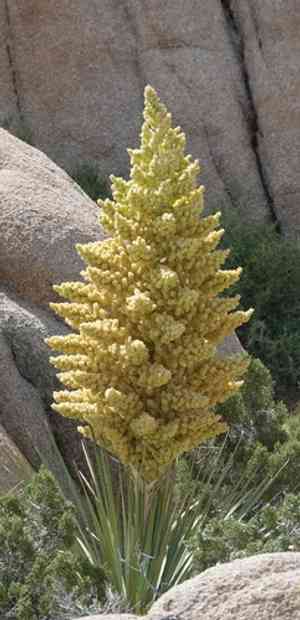
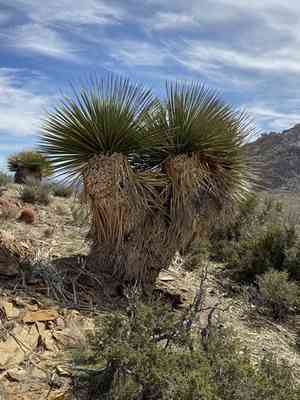
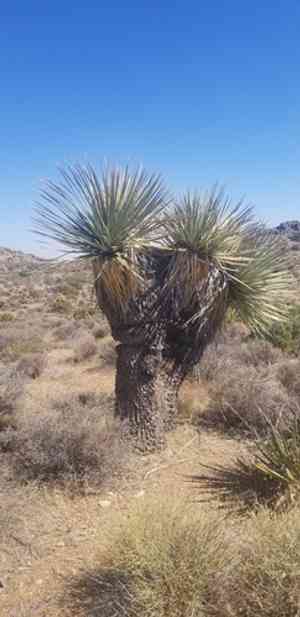
Images of Parry's beargrass
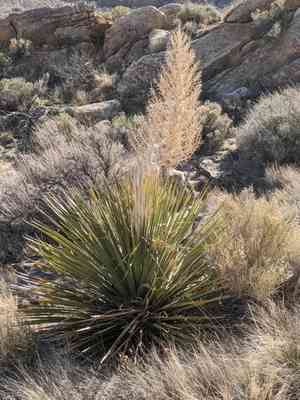
Quickly Identify Parry's beargrass
1
Nolina parryi can be identified by its rosette of long, narrow, and tough leaves, and its tall flowering stalk that produces small white flowers. The plant has a thick, woody base that often looks like a short trunk.
Scientific Classification of Parry's beargrass
Phylum
Vascular plants
Class
Monocotyledons
Order
Asparagales
Family
Asparagus
Genus
Beargrasses
Species
Parry's beargrass
Planting and Growing of Parry's beargrass
Care Difficulty
Easy
Watering Schedule
Every 2 days
Sunlight Requirements
Full sun
Sunshine Duration
4-8 hours
Ideal Temperature
60-75℉
Soil Type
Potting Mix, Peat Mix
Soil pH
6.5-7.5
Fertilizer Type
Balanced
Pruning Season
Spring, Summer
Pruning Area
Branches, Leaves
Pruning Frequency
2 times a year
Repotting Season
Spring
Pot Type
Plastic, Ceramic
 How to Water Parry's beargrass?
For Nolina parryi, ensure that you only water enough to thoroughly saturate the soil, typically around 500 milliliters each session. The goal is to mimic occasional desert downpours without making the environment soggy, as the roots need to breathe.
What are the symptoms of an underwatered Parry's beargrass?
›
What should I do if my Parry's beargrass is not getting enough water?
›
What are the symptoms of an overwatered Parry's beargrass?
›
How to save an overwatered Parry's beargrass?
›
 What Are the Sunlight Requirements for Parry's beargrass?
Nolina parryi thrives in full sun to partial sun. Ideal light fosters strong, vibrant foliage and significantly bolsters its growth potential, enhancing its resilience and decorative value.
What kind of light does Nolina parryi need?
›
How can you ensure Nolina parryi gets enough sunlight?
›
What are the benefits of ideal lighting for Nolina parryi?
›
 What Is the Ideal Temperature Range for Parry's beargrass?
The ideal temperature range for Nolina parryi is between 60°F and 75°F. This range mimics the natural environment of the plant, which is typically found in semi-arid regions. Maintaining this temperature range ensures optimal growth and prevents stress that might otherwise lead to disease or poor development.
 What Soil is Best for Parry's beargrass?
Nolina parryi thrives in well-draining soil, which is vital for preventing root rot by allowing excess water to flow away. This helps maintain healthy root systems and promotes vigorous growth. This plant prefers soil with moderate nutrient levels, providing essential nourishment without overwhelming the roots. Balanced nutrition supports foliage growth and overall plant health. Nolina parryi can tolerate slightly alkaline conditions, which helps it adapt to various environments. This flexibility ensures the plant remains robust and adaptable to different soil profiles.
 How to Fertilize Parry's beargrass?
For Nolina parryi, it is crucial to apply a moderate amount of fertilizer to avoid root burn. Typically, use a balanced liquid fertilizer diluted to half strength, around 1 teaspoon per gallon of water. For slow-release fertilizers, use approximately 1 tablespoon per plant annually. This helps ensure the plant receives nutrients without overwhelming it.
 How to Prune Parry's beargrass?
Identify when it's time to prune by looking for brown or yellow leaves that have died. These can be removed to enhance the overall look and health of the plant. You can also trim it slightly in the spring or summer to help shape it. Use a pair of sharp, clean pruning shears to avoid damaging the plant. Gently cut the dead leaves at the base, near the trunk, taking care not to damage the living tissue. For shaping, trim slightly to maintain a natural appearance.
More About Pruning Techniques→
 How to Propagate Parry's beargrass plant?
1
Harvest seeds from a mature Nolina parryi plant once the flowers have dried. Ensure the seeds are fully dry before storing them in a cool, dry place until planting.
2
Select healthy shoots from a mature plant, making a clean cut just below a node. Remove any lower leaves and allow the cutting to dry slightly before planting to prevent rot.
3
Plant seeds or cuttings in a suitable mix and water sparingly. Ensure the soil is lightly moist but not waterlogged, as excess moisture can cause fungal issues.
 How to Repot Parry's beargrass plant?
1
Repot Nolina parryi when you notice roots protruding from drainage holes or if the growth seems stunted. Another signal is if the soil retains too much moisture, which can indicate soil compaction.
2
Select a pot with drainage holes that's 2 inches larger in diameter than the current one. This provides room for growth and ensures proper drainage, preventing root rot.
3
Opt for a sandy, well-draining soil mix with organic matter. This prevents waterlogging, ensuring the roots receive adequate oxygen and nutrients for healthy growth.



