How to Propagate Parry's beargrass?
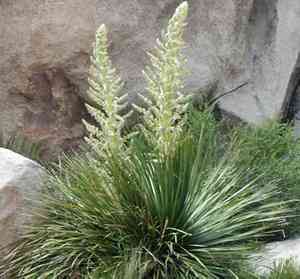
Parry's beargrass is a resilient, arid-environment plant that flourishes in stony, porous substrates. For planting, utilize new seeds, gently cover them with earth, and ensure steady dampness until sprouting occurs. The perfect soil blend ought to be coarse with excellent drainage. It is crucial to irrigate sparingly once the plant is settled to avoid root decay. Applying a layer of mulch can aid in preserving soil hydration and moderating thermal conditions. Verify regional directives or specialist references for precise cultivation methods.
What Is the Best Time To Propagate Parry's Beargrass?
Propagation Type
Sowing
Propagation Season
Spring
What Tools Are Used in Parry's Beargrass Propagation?
Seed Starter Trays
Seed starter trays offer an ideal setting for seedlings, enabling regulated germination conditions and simple transplantation of parry's beargrass seedlings.
Heat Mat
A heat mat guarantees consistent and suitable soil temperatures, vital for the germination of parry's beargrass seeds, particularly in cooler climates.
Seedling Grow Light
Grow lights supplement natural light, ensuring parry's beargrass seedlings get sufficient illumination for healthy growth, especially in low-light situations.
Hygrometer and Thermometer
Utilizing a hygrometer and thermometer helps maintain optimal humidity and temperature levels within the propagation area, crucial for the delicate initial phases of parry's beargrass seedlings.
Soil Mix
A well-draining, sandy soil mixture imitates parry's beargrass's native environment, providing the necessary conditions for seed germination and seedling development.
Seedling Watering Bottle
A watering bottle with a fine nozzle allows for precise and controlled irrigation, preventing overwatering and ensuring the delicate parry's beargrass seedlings receive the correct amount of moisture.
Sowing Labels and Markers
Labels and markers assist in tracking different seed batches and their planting dates, important for managing the growth stages of parry's beargrass seedlings.
Rooting Hormone
While not always essential, rooting hormone can be advantageous in promoting stronger root development in parry's beargrass seedlings, leading to healthier plants.
How to Propagate Parry's Beargrass?
Propagation Type
Easy
How to Care for Your Newly Propagated Parry's Beargrass?
How to Care for Your Newly Propagated Parry's Beargrass?
Once parry's beargrass seedlings have sprouted and are large enough to handle, carefully move them into individual containers with well-draining soil. Place them in a spot with bright, indirect light and gradually introduce them to more direct sunlight. Ensure the soil stays slightly moist but not waterlogged, and reduce watering frequency once the plants are established. Fertilize sparingly with a balanced, diluted fertilizer during the growing season. Protect the young plants from frost and extreme temperatures to encourage robust growth.
Common Mistakes to Avoid When Propagating Parry's Beargrass
Overwatering
Given parry's beargrass's drought tolerance, excessive watering can lead to root rot and other fungal diseases.
Incorrect Soil Type
Using soil that retains too much moisture can hinder parry's beargrass's growth. It prefers well-draining soil with low organic content.
Improper Light Conditions
Placing parry's beargrass in a shaded area can impede its development, as it requires full sun to partial shade.
Using Immature Seeds
Attempting to propagate with undeveloped or unhealthy seeds will result in low germination rates and weak seedlings.
Neglecting Pest Control
Ignoring pest management can lead to infestations that harm young plants, especially during their early growth stages.
Tips For Propagating Parry's Beargrass
Watering Regimen
Water sparingly and ensure the soil is dry before the next watering. This helps prevent root rot and other water-related issues.
Soil Choice
Use sandy or rocky soil that provides excellent drainage. This mimics parry's beargrass's natural habitat and promotes healthy root development.
Light Requirements
Ensure parry's beargrass receives plenty of direct sunlight for robust growth. If grown indoors, place it near a bright window or use grow lights.
Seed Selection
Select mature and healthy seeds for propagation. This increases the chances of successful germination and vigorous plants.
Pest Management
Regularly inspect plants for pests and act promptly if any are found. Use appropriate pest control methods to protect young plants.



