How to Prune Parry's beargrass?
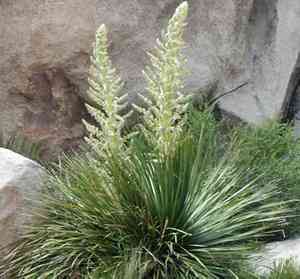
Xerophyllum tenax displays elongated, blade-like foliage and a characteristic basal rosette formation. Perform trimming in the latter part of winter or early spring to eliminate deceased leaves and encourage robust development. Sever any impaired or faded foliage near its origin. Refrain from incising the core rosette to safeguard emerging growth. Consistent trimming improves air movement, diminishes the likelihood of illness, and preserves the plant's visual attractiveness.
What Are the Benefits of Pruning Parry's Beargrass?
What Are the Benefits of Pruning Parry's Beargrass?
Trimming parry's beargrass encourages robust development and helps maintain its form. This ensures the plant stays healthy and visually appealing, while also preventing congestion and potential pest or disease problems.
What Is the Best Time for Pruning Parry's Beargrass?
What Is the Best Time for Pruning Parry's Beargrass?
Pruning parry's beargrass in early spring or late winter is ideal as it coincides with the end of the plant's dormant phase and the start of its new growth cycle. This timing allows the plant ample opportunity to recover and generate fresh growth before its active season begins. Pruning at this point also enhances air circulation and light penetration, which lowers the risk of diseases and pest infestations, fostering a healthier and more vigorous plant overall.
What Tools Do I Need to Prune Parry's Beargrass?
Bypass Pruners
These are crucial for making clean cuts on living plant material. Perfect for removing damaged or dead leaves of parry's beargrass.
Loppers
Useful for cutting thicker stems and branches of parry's beargrass, especially when thinning or shaping the plant.
Pruning Saw
Essential for cutting through thicker, woody sections of parry's beargrass. Provides a clean cut without harming the plant.
Gloves
Protection when handling parry's beargrass to prevent injuries from sharp edges or spiky foliage.
Long-handled Shears
For reaching difficult-to-access parts of parry's beargrass, ensuring precise trimming without damaging the plant's structure.
How to Prune Parry's Beargrass
Identify
Locate any diseased and withered leaves on parry's beargrass. Look for leaves that are discolored, limp, or show signs of damage.
Tools
Prepare your pruning implements, such as sharp and clean pruning shears, to ensure a clean cut and prevent disease transmission.
Cut
Carefully cut the diseased leaves close to the base, taking care not to harm the surrounding healthy parts. Remove them completely to prevent further infection.
Trim
Trim away withered leaves by cutting them at the base. Ensure you are only removing the leaves that are clearly dead or heavily damaged.
Dispose
Properly dispose of all trimmed parts away from parry's beargrass to prevent spreading any potential diseases. Composting is not recommended for diseased plant material.
Common Pruning Mistakes with Parry's Beargrass
Over-pruning
Removing too many leaves or stems can stress parry's beargrass, leading to reduced growth and poor plant health. It's essential to prune conservatively.
Incorrect technique
Using dull or dirty tools can damage the plant tissue and introduce diseases. Always use sharp, clean pruning shears.
Pruning at the wrong time
Although season advice is excluded, pruning during active growth can harm parry's beargrass's development. It's crucial to understand the plant's growth cycle.
Cutting too close to the base
Pruning too close to the base can damage the plant's core, which may lead to an inability to produce new growth.
Common Pruning Tips for Parry's Beargrass
Use sharp tools
Ensure your pruning shears are sharp and clean to make precise cuts and prevent infections.
Start small
Especially for novice gardeners, begin by removing dead or damaged leaves and stems to avoid overwhelming the plant.
Maintain airflow
Prune to maintain good airflow within parry's beargrass by removing some of the inner leaves. This reduces the risk of fungal diseases.
Promote natural shape
Follow the plantâs natural shape when pruning. This will support its structural integrity and aesthetic appearance.
Regular inspection
Routinely check parry's beargrass for dead or diseased parts and remove them promptly. Regular inspection helps in maintaining the plantâs health.



