How to Transplant Caucasus catmint?
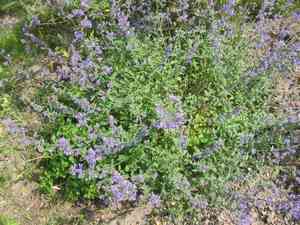
Choose the revitalizing period of early to mid-spring for transplanting caucasus catmint. Pick a location that receives full sunlight to partial shade and verify the soil drains effectively to foster vigorous development. A helpful suggestionâfor flourishing caucasus catmint, contemplate incorporating organic material during the relocation process.
What Preparations are Needed Before Transplanting Caucasus Catmint?
What is the Ideal Time for Transplanting Caucasus Catmint?
The best time to move caucasus catmint is when spring begins or in mid-spring, as nature awakens. This timing uses the mild weather, helping roots get established before summer. Moving caucasus catmint during this period allows roots ample time to settle and thrive, benefiting from spring rains. This friendly advice ensures your caucasus catmint gets the best start, avoiding summer stress for strong growth.
How Much Space Should You Leave Between Caucasus Catmint Plants?
For caucasus catmint, adequate spacing is beneficial. Ideally, maintain a separation of 1-2 feet (30-60 cm) between each plant. This provides sufficient room for root development and ensures proper nutrient uptake.
What is the Best Soil Mix for Caucasus Catmint Transplanting?
Caucasus catmint thrives in well-drained soil, so ensure your garden bed has good drainage. Incorporate a foundational fertilizer, such as compost or aged manure, to enrich soil nutrients. Also, check the soil's pH; caucasus catmint prefers a slightly acidic to neutral range.
Where Should You Relocate Your Caucasus Catmint?
Caucasus catmint prefers full sun to partial shade. When selecting a new location, choose a spot in your garden that receives ample sunlight but is also shielded from intense afternoon heat.
What Equipments Should You Prepare Before Transplantation Caucasus Catmint?
Gardening Gloves
To safeguard your hands while handling soil and the caucasus catmint plant.
Shovel or Trowel
Essential for excavating holes when transplanting the caucasus catmint plant.
Watering Can
For adequately hydrating the plant before and after the transplanting process.
Pruners
To carefully trim any damaged roots or leaves.
Mulch
A top layer of organic material to retain soil moisture and enhance soil texture.
Wheelbarrow or Pail
For transporting the caucasus catmint plant and soil if necessary.
How Do You Remove Caucasus Catmint from the Soil?
How Do You Remove Caucasus Catmint from the Soil?
From Ground: First, thoroughly water the caucasus catmint plant to moisten the soil, making extraction easier; Use a trowel or shovel to dig a wide trench around the plant, ensuring the root ball remains intact. Gently work the shovel beneath the root ball to carefully lift the plant from its original spot.From Pot: Water the caucasus catmint plant sufficiently and allow it to absorb; Tilt the pot to one side and gently pull the plant, keeping the root ball whole. If difficult, use a knife around the pot's inner rim to loosen it.From Seedling Tray: Moisten the soil beforehand; Hold the caucasus catmint plant by its base, use a small tool or spoon to lift the seedling with its roots and surrounding soil.
Step-by-Step Guide for Transplanting Caucasus Catmint
Preparation
Loosen the soil in the new planting area to facilitate root penetration. If the soil is compact, incorporate suitable compost or organic matter to improve its structure. Please refer to the soil type section.
Digging
Excavate a hole twice the size of the root ball; Ensure the hole is deep enough to cover the roots but keeps the plant at the same soil level as before.
Placing
Carefully position the caucasus catmint plant in the hole, ensuring it stands upright.
Backfilling
Gently refill the hole with the original soil, avoiding excessive compaction that could harm the roots.
Watering
Water the plant gently but thoroughly to settle the soil around its roots.
Mulching
Apply layers of organic mulch around the plant, keeping it away from the stem, to retain soil moisture and suppress weeds.
How Do You Care For Caucasus Catmint After Transplanting?
Watering
Ensure the soil remains consistently moist for the initial weeks following the transplant of caucasus catmint. Avoid over-watering, which can lead to soggy soil.
Pruning
Trim any damaged or diseased portions of the plant; this will aid in its quicker recovery.
Protection
If the weather is excessively sunny or windy, use a shade cloth to shield the newly transplanted caucasus catmint.
Pest Control
Monitor for any indications of pests or diseases, and address them promptly with organic or recommended treatments.
Fertilizing
Allow a few weeks before applying any fertilizer to let the caucasus catmint adjust to its new environment; for detailed fertilizing information, please refer to the fertilizer section.
Troubleshooting Common Issues with Caucasus Catmint Transplantation.
When is the optimal time to transplant caucasus catmint?
The ideal period to transplant caucasus catmint is during the transition from S1 to S2. This provides the best conditions for root establishment.
What spacing should I maintain while planting caucasus catmint?
Ensure an optimal distance of approximately 1-2 feet (30-60 cm) between each caucasus catmint plant. This spacing allows ample room for growth and flourishing.
What if my caucasus catmint doesn't seem to grow after transplanting?
It's normal for caucasus catmint to take some time to establish post-transplant. Be patient. Ensure it receives adequate water, sunlight, and nutrients.
Why are the leaves of my caucasus catmint turning yellow after transplantation?
Yellowing leaves might indicate overwatering or poor soil drainage. Verify the soil is well-draining and adjust your watering schedule accordingly.
Why are the leaves of my caucasus catmint wilting post-transplantation?
Wilting can suggest that the caucasus catmint is either underwatered or experiencing transplant shock. Increase watering, and ensure it's protected from extreme weather and pests.
I've transplanted my caucasus catmint, but it's not flowering. Why?
Caucasus catmint may require some time to bloom after transplanting, especially if the process occurred near its blooming season. Patience is crucial here!
How do I ensure a successful transplant of my caucasus catmint?
Begin with a healthy caucasus catmint plant, prepare a suitable hole, backfill with nutrient-rich soil, position the plant, fill the hole, lightly compact, water generously, and monitor regularly.
How deep should I plant my caucasus catmint during transplantation?
Plant caucasus catmint at the same depth it was in its previous container. Planting too deep can cause rot, while too shallow can expose roots.
Should I fertilize caucasus catmint post-transplant, and when?
Yes, fertilization will promote growth. Allow the caucasus catmint a few weeks post-transplant to settle, then you can apply a slow-release granular fertilizer.
Is there a way to minimize transplant shock in caucasus catmint?
Yes, water it thoroughly after transplanting and keep it in a shaded area for a few days. This should help reduce any potential transplant shock.



