The Caucasus catmint Plant Advantage: Maximizing Home and Office Appeal and Wellness
1
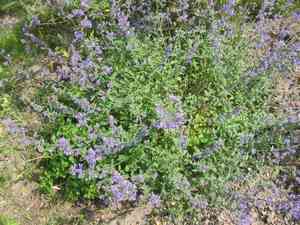
Caucasus catmint makes a great garden plant because it tolerates dry conditions.
2
This plant is well-known for drawing in pollinators such as bees and butterflies, enhancing your garden's biodiversity.
3
Its fragrant foliage can offer a calming aroma to outdoor areas.
Why Opt for Caucasus Catmint in Your Garden?
Effortless Upkeep
A primary reason to consider Caucasus catmint is its minimal care demands. This plant flourishes in diverse soil types and needs little irrigation once established. Its resilience to drought makes it a perfect selection for gardeners in areas with inconsistent rainfall or those aiming to conserve water.
Visual Appeal
Beyond its hardiness, Caucasus catmint is visually striking. Its tall flower spikes and abundant foliage add texture and color to any garden space. Whether utilized as a border plant or a standalone feature, it consistently makes an impression. The plant's extended blooming period ensures your garden stays vibrant throughout the growing season.
Ecological Advantages of Caucasus Catmint
Attracting Pollinators
Pollinators are vital for a thriving garden ecosystem, and Caucasus catmint acts as a magnet for bees, butterflies, and other beneficial insects. By incorporating this plant into your garden, you can support local biodiversity and help sustain these crucial pollinating species. This not only benefits your plants but also contributes positively to the wider environment.
Soil Enhancement
The root system of Caucasus catmint aids in improving soil structure. Its deep roots aerate the soil and boost water retention, which is advantageous for nearby plants. Furthermore, it can help prevent soil erosion, making it particularly useful in regions prone to heavy rain or wind.
Health and Wellness Benefits
Aromatic Qualities
One of the less obvious but equally valuable benefits of Caucasus catmint is its fragrant nature. The plant emits a pleasant scent that can foster a calming atmosphere in your garden. This characteristic makes it an excellent choice for sensory gardens or any outdoor area where relaxation and tranquility are desired.
Diverse Applications
Beyond its garden advantages, the leaves of Caucasus catmint can be used in crafts and potpourri, adding a personal touch to home decor. Its aromatic properties are also utilized in various homemade remedies and natural products, extending its usefulness beyond the garden. However, it is important to note that it should not be consumed or used for medicinal purposes without professional consultation.
Planting and Caring for Caucasus Catmint
Optimal Planting Conditions
To maximize the benefits of Caucasus catmint, plant it in well-draining soil with access to full sunlight. While it tolerates partial shade, full sunlight will ensure the best growth and flowering. Planting in early spring or fall typically yields the best results, giving the plant ample time to establish itself.
Routine Care Advice
Once planted, Caucasus catmint requires minimal attention. Regular removal of spent flowers encourages new blooms and maintains its appearance. Occasional trimming helps keep the plant bushy and attractive. Despite its drought resistance, periodic deep watering during extended dry periods can support optimal growth.
Integrating Caucasus Catmint into Your Garden Design
Companion Planting
Caucasus catmint excels when planted alongside other drought-tolerant species. Consider pairing it with lavender, sage, or ornamental grasses for a cohesive and low-maintenance garden design. These combinations not only look appealing but also share similar water and sunlight requirements, simplifying garden care.
Creating Visual Highlights
You can also use Caucasus catmint to establish striking focal points in your garden. Its height and colorful blooms can draw the eye, making it ideal for planting in prominent locations such as near garden entrances or along pathways. Combining it with contrasting foliage plants can further enhance its visual impact.



