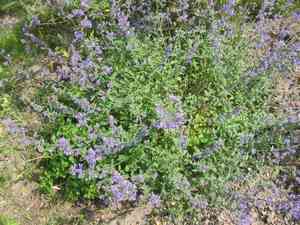
Caucasus catmint (Nepeta grandiflora)
Also known as: Large-flowered catmint, Caucasian catnip
N. grandiflora and its cultivars are popular choices for ornamental gardening, especially suited for sunny spots in the middle of flower borders. The cultivar ‘Bramdean’ has been honored with the Royal Horticultural Society’s Award of Garden Merit.
In This Article
Attributes of Caucasus catmint
Lifespan
Perennial, Annual
Plant Type
Herb
Plant Height
75 cm
Spread
60 cm
Leaf Color
Green Gray Silver
Flower Size
1 inch (2.5 cm)
Flower Color
Blue Purple
Images of Caucasus catmint
Quickly Identify Caucasus catmint
1
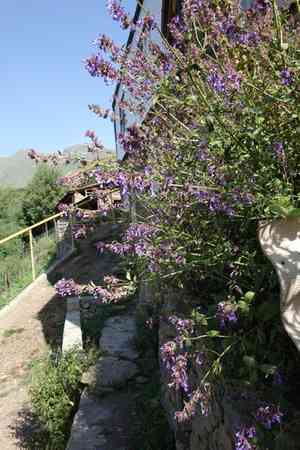
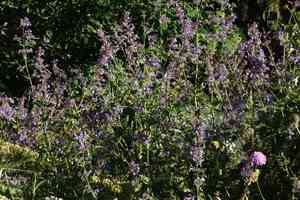
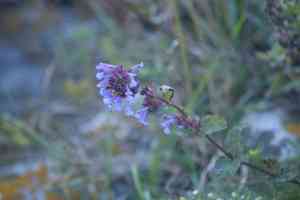
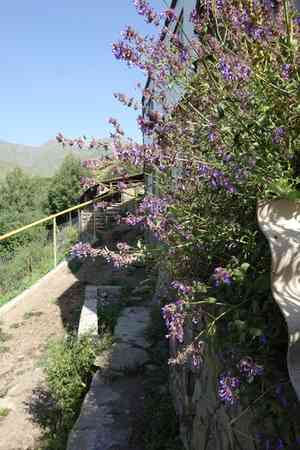
Nepeta grandiflora can be identified by its upright growth habit, toothed green leaves that are aromatic when crushed, and dense spikes of two-lipped blue or violet flowers.
Scientific Classification of Caucasus catmint
Phylum
Vascular plants
Class
Dicotyledons
Order
Lamiales
Family
Mint
Genus
Catnips
Species
Caucasus catmint
Planting and Growing of Caucasus catmint
Care Difficulty
Easy
Watering Schedule
Every 4 days
Sunlight Requirements
Full sun
Sunshine Duration
6-10 hours
Ideal Temperature
60-75℉
Soil Type
Potting Mix, Peat Mix
Soil pH
6.5-7.5
Fertilizer Type
Balanced
Pruning Season
Spring, Summer
Pruning Area
Branches, Leaves
Pruning Frequency
2 times a year
Repotting Season
Spring
Pot Type
Plastic, Ceramic
 How to Water Caucasus catmint?
The watering amount for Nepeta grandiflora should ideally be about 500 milliliters per session. It’s important to maintain the soil moisture without creating standing water. This plant prefers well-drained soil, so ensure you water until you see moisture emerging from the drainage holes.
What are the symptoms of an underwatered Caucasus catmint?
›
What should I do if my Caucasus catmint is not getting enough water?
›
What are the symptoms of an overwatered Caucasus catmint?
›
How to save an overwatered Caucasus catmint?
›
 What Are the Sunlight Requirements for Caucasus catmint?
Nepeta grandiflora flourishes in full sun to partial sun environments. Ideal light encourages dense growth, vibrant flowers, and improved plant health.
How much sun does Nepeta grandiflora need?
›
What happens if it doesn't get enough sun?
›
What are the benefits of sufficient sun exposure?
›
 What Is the Ideal Temperature Range for Caucasus catmint?
Nepeta grandiflora thrives best in temperatures ranging from 60°F to 75°F. This range provides the plant with the necessary warmth for photosynthesis while avoiding the risk of thermal stress, thus promoting healthy growth.
 What Soil is Best for Caucasus catmint?
Nepeta grandiflora thrives in soil that provides excellent drainage. This ensures that water does not stagnate, which can lead to root rot. Properly draining soil helps maintain root health and fosters a robust growth environment for the plant. While Nepeta grandiflora is not a heavy feeder, it benefits from soil with moderate nutrients. This balance helps the plant grow vibrant foliage and plentiful flowers without the risk of excessive fertilization that can harm its health and structure. With a suitable pH level between 6.5 and 7.5, this range allows for optimal nutrient uptake for Nepeta grandiflora. It ensures that essential minerals are available and not locked in the soil, promoting lush growth and strong flowering.
 How to Fertilize Caucasus catmint?
For Nepeta grandiflora, it's essential to balance fertilization without overwhelming the plant. Apply a moderate amount of fertilizer, approximately half the recommended dose on the package for sensitive plants. Start with about 1 tablespoon for solid fertilizers and adjust based on plant response.
 How to Prune Caucasus catmint?
Start by deadheading, which involves cutting off spent flowers to encourage further blooming. Follow the stem down to the first or second set of leaves, and snip the flower stem just above to stimulate new growth. Trim the plant back to maintain your desired shape, paying special attention to straggly or overgrown stems. Aim to open up the center of the plant to allow for better air circulation and light penetration.
More About Pruning Techniques→
 How to Propagate Caucasus catmint plant?
1
Begin by filling your seed tray with a lightweight potting mix. Sow the Nepeta grandiflora seeds evenly across the surface and lightly cover with soil. Ensure the soil is moist but not waterlogged, and keep the tray in a warm spot with indirect sunlight.
2
Select a healthy part of the plant and cut a 4-6 inch segment just below a node. Remove the lower leaves and dip the cut end in rooting hormone. Plant the cutting in a pot with moistened potting mix, ensuring the node is beneath the soil surface.
3
Dig up the mature Nepeta grandiflora plant carefully, disturbing the root system as little as possible. Gently pull apart the clumps by hand or use a sharp knife to divide the roots. Replant the divisions promptly at the same depth they were growing previously.
 How to Repot Caucasus catmint plant?
1
The best time to repot Nepeta grandiflora is when you notice its roots growing through the drainage holes or when its growth slows down, suggesting the plant is root-bound. Repotting in spring or autumn leverages the plant’s active growth periods, helping it recover quickly.
2
Select a pot that is just a couple of inches larger in diameter than the current one. This allows roots room to grow without causing excess soil to retain moisture, reducing the risk of root rot. Ensure the pot has sufficient drainage holes for excess water to escape.
3
Opt for a well-draining potting mix that contains ingredients like perlite or sand. This prevents waterlogging and allows air circulation around the roots, promoting healthy growth and reducing the risks of root diseases.
Learn More About Caucasus catmint Diseases
Anthracnose
Bacterial Leaf Spot
Bacterial Soft Rot
Bacterial Wilt
Black Spot
Chemical Injury
Crown Gall
Cyst Nematode
Damping-off
Downy Mildew
Drought Stress
Fusarium Wilt
Gray Mold
Leaf Curl
Leaf Spot
Mosaic
Nutrient Deficiency
Nutrient Toxicity
Powdery Mildew
Root Rot
Root-knot Nematode
Rusts
Sooty Mold
Spider Mites
Temperature Stress
Thrips Damage
White Mold



