How to Prune Caucasus catmint?
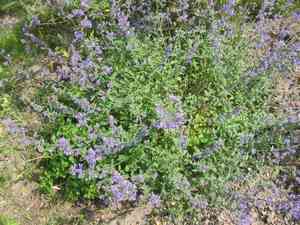
Caucasus catmint, a perennial herb recognized for its fragrant leaves and prominent blue flower spikes, flourishes with appropriate care. Trim it in late spring and early summer to encourage denser growth and more abundant flowering. Shearing the plant following its initial bloom cycle stimulates a subsequent period of blossoms. Consistent removal of spent flowers also contributes to its appearance and vitality. This trimming strategy not only prolongs the blooming season but also aids in preserving the plant's well-being and form.
Advantages of Trimming Caucasus Catmint
Advantages of Trimming Caucasus Catmint
Trimming caucasus catmint promotes robust development and maintains its form. It stimulates fresh growth, which boosts blooming and keeps the plant neat, ensuring a dense, appealing shape perfect for garden aesthetics.
Optimal Time for Trimming Caucasus Catmint
Optimal Time for Trimming Caucasus Catmint
Trimming caucasus catmint in spring is advantageous as it follows the plant's dormant winter period, allowing for the removal of any dead or damaged growth before new growth begins. This timing also prepares the plant to direct its energy towards producing strong new shoots and enhances flowering performance. Summer trimming, performed after the initial flush of flowers, is vital for maintaining plant shape and encouraging a second bloom. It prevents caucasus catmint from becoming excessively woody and dense, which can hinder air circulation and light penetration, crucial for the plant's overall health and vigor.
Tools Required for Trimming Caucasus Catmint
Hand Pruners
Perfect for making clean cuts on caucasus catmint's stems, ensuring minimal harm to plant tissues. Choose bypass pruners, which offer sharp, scissor-like cutting, suitable for the generally soft stems of caucasus catmint.
Shears
Useful for shaping caucasus catmint and uniformly trimming larger sections. This tool helps maintain the dense, mounded habit of caucasus catmint by allowing quick, even cuts over a broader area.
Pruning Saw
Beneficial for older, woodier stems of caucasus catmint that have thickened over time and are too large for hand pruners. A pruning saw enables precise cuts without straining the gardener or harming the plant.
Gloves
While caucasus catmint is not particularly dangerous, wearing gloves is advised to protect hands from potential skin irritants in plant sap, as well as from sharp stem edges during extensive trimming sessions.
How to Trim Caucasus Catmint
Identify
Examine caucasus catmint thoroughly, focusing on locating diseased or withered leaves and any unhealthy stems. Use this initial assessment to plan your approach and prioritize areas needing immediate attention.
Sanitation
Sterilize your trimming tools with alcohol or a bleach solution to prevent disease spread. Clean tools are essential, especially when cutting away diseased parts, to avoid contaminating healthy areas of caucasus catmint.
Trim leaves
Carefully remove diseased and withered leaves by cutting at the base of the leaf stem. Ensure clean cuts to promote faster healing and reduce stress on caucasus catmint. Use hand pruners for precision.
Trim stems
Cut back diseased stems on caucasus catmint to healthy wood, identifiable by a change in color or the presence of live buds. Make cuts just above a healthy node or bud to encourage new growth.
Cleanup
Gather and dispose of all trimmed material. It is important to remove these from the vicinity of caucasus catmint to prevent any fungal spores or pests from spreading back to the plant.
Common Trimming Errors with Caucasus Catmint
Over-trimming
A frequent mistake is removing too much of caucasus catmint at once, which can stress the plant and hinder its ability to thrive. It's important to limit trimming to no more than one-third of the plant in a single session.
Improper tool use
Using dull or unclean tools can result in jagged cuts that harm caucasus catmint, leaving it vulnerable to pests and diseases. Always use sharp, clean shears.
Cutting at wrong angle
Cuts made on caucasus catmint should be at a 45-degree angle about 1/4 inch above a leaf node or bud. Incorrect angled cuts or cuts too far from a node can inhibit new growth.
General Trimming Advice for Caucasus Catmint
Timing of cuts
Make cuts on caucasus catmint just above where the leaf node meets the stem, promoting healthier and bushier growth.
Deadheading
Regularly remove spent blooms of caucasus catmint to encourage new flowers and prevent the plant from using energy to develop seeds.
Thin out
Thin out crowded areas of caucasus catmint to ensure adequate light and air circulation, which are critical for reducing the risk of disease.



