How to Transplant Asian bayberry?
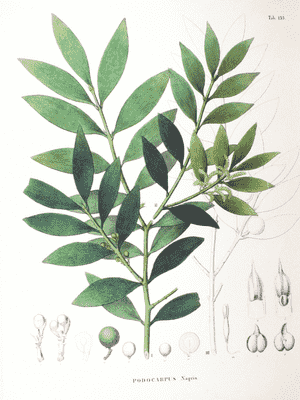
The ideal period for transplanting Myrica rubra is from late summer to the beginning of autumn, which facilitates root development without the strain of intense temperatures. Select a location featuring soil that drains effectively, offering either partial shade or full sunlight. To ensure successful integration, provide steady hydration following the relocation.
Essential Preparations Before Relocating Asian Bayberry
Optimal Timing for Asian Bayberry Relocation?
The best time to move asian bayberry is during the calm transition from late summer to early autumn. During this period, mild temperatures and reduced sun intensity combine to create ideal soil conditions, allowing asian bayberry to establish strong roots before winter dormancy. This strategic timing leverages the plant's natural growth cycle, giving it the best chance to flourish in its new spot. By choosing this gentle season, you provide asian bayberry a supportive environment to adapt and grow robustly.
Required Spacing Between Asian Bayberry Plants?
To ensure sufficient growth area for asian bayberry, aim for a separation of 6-8 feet (1.8-2.4 meters) between each plant. This distance will accommodate its spread and provide ample room for development.
Ideal Soil Blend for Asian Bayberry Transplanting?
For asian bayberry, a rich, well-draining soil is most effective. You can create a suitable base by blending organic compost with your existing soil and incorporating a slow-release granular fertilizer to encourage healthy development.
Selecting a New Location for Your Asian Bayberry?
Asian bayberry thrives in sunlight but benefits from some afternoon shade. Therefore, select a garden or yard spot that receives abundant morning sun and partial shade during the hottest part of the day.
Tools Required Before Transplanting Asian Bayberry
Gardening Gloves
To protect your hands from harm or exposure to potentially harmful soil microorganisms.
Shovel or Spade
To aid in excavating the planting hole and carefully extracting the asian bayberry from its original position.
Rake
To smooth the soil surface after planting.
Pruners
Useful for trimming away dead or damaged branches both before and after the transplanting process.
Trowel
Especially helpful when moving a smaller asian bayberry plant or transferring it from a container or tray.
Watering Can or Hose
To supply adequate moisture before, during, and following the transplantation procedure.
Wheelbarrow
To move and transport the plant to its new site, particularly if it's a large asian bayberry plant.
Method for Extracting Asian Bayberry from the Soil
How to Remove Asian Bayberry from the Soil?
From Ground: Begin by thoroughly watering the asian bayberry. This keeps the roots hydrated during removal, minimizing damage. Next, use a shovel to dig around the plant, ensuring a wide perimeter to avoid excessive disturbance to the root system. Position the shovel beneath the root ball and gently lift the plant.From Pot: For a potted asian bayberry, water the plant well. Turn the pot on its side and apply gentle pressure to the sides. Carefully slide the plant out, keeping the root ball intact. If it's stuck, avoid forceful pulling; instead, try loosening the soil around the edges further.From Seedling Tray: After watering the tray, use a trowel or similar tool to scoop out each asian bayberry seedling, holding the leaf rather than the stem to prevent injury.
Step-by-Step Guide for Relocating Asian Bayberry
Preparation
Prepare the new planting site before removing the asian bayberry from its initial spot. The hole should be twice as wide and the same depth as the root ball.
Placement
Position the asian bayberry in the hole. The top of the root ball should be level with the surface. Adjust the soil beneath the plant if necessary.
Backfill
Refill the hole with the same soil, gently firming it around the plant's base. Avoid excessive pressure, which can compact the soil and hinder water drainage.
Initial Watering
Water the asian bayberry generously after transplanting, ensuring the soil settles well around the roots. Water gently and avoid wetting the leaves or stem directly.
Prevent Transplant Shock
Consider providing some shade for the first few days post-transplant, especially in hot weather, to mitigate transplant shock.
Post-Transplant Care for Asian Bayberry
Water Management
Ensure asian bayberry receives consistent watering, especially during its initial weeks after transplant. Focus on watering the roots, not the foliage.
Weed Control
Keep the area around your asian bayberry free of weeds. Weeds compete with the plant for nutrients, water, and sunlight. Gently remove any weeds without disturbing the asian bayberry's roots.
Monitoring
Regularly inspect your asian bayberry for any signs of stress, such as wilting or yellowing leaves. These could indicate transplant shock, requiring adjustments to watering or shading.
Pruning
Limit growth in the first year by pruning the asian bayberry, but be careful not to over-prune, as this can stress the plant.
Resolving Common Issues with Asian Bayberry Transplantation.
When is the best time to transplant asian bayberry?
The optimal period to transplant asian bayberry is during its late dormant phase, specifically between 'Season 5 to Season 7'. This offers the plant an excellent opportunity to establish roots.
What spacing is needed when transplanting asian bayberry?
Ensure ample room for each asian bayberry to grow. Plant them approximately 6-8 feet (1.8-2.4 meters) apart for optimal development.
What soil type is best for transplanting asian bayberry?
Asian bayberry thrives in well-draining, humus-rich soil. Ensure the soil is not waterlogged or overly clayey, which can lead to root rot for asian bayberry.
How deep should you plant asian bayberry when transplanting?
When transplanting, bury the root ball of asian bayberry about 2 feet (0.6 meters) deep. This ensures the root receives sufficient support from the soil.
Is it beneficial to water asian bayberry immediately after transplanting?
Absolutely! Thoroughly watering asian bayberry post-transplant helps settle the soil around the roots and reduces the stress of relocation.
Do I need to mulch around asian bayberry after transplanting?
Yes, applying a 2-3 inches (5-7.6 cm) layer of mulch around asian bayberry helps retain moisture, suppress weeds, and regulate soil temperature.
What should I do if my transplanted asian bayberry shows signs of wilt?
Wilting often signals transplant shock. Keep asian bayberry adequately watered but not saturated, ensure good sun exposure, and consider using a root stimulant.
Why does the foliage of my transplanted asian bayberry look yellow?
Yellowing leaves can indicate a nutrient deficiency. Consider a balanced fertilizer to replenish essential nutrients.
What should I do if the asian bayberry doesn't show any growth after transplanting?
Asian bayberry may take time to exhibit above-ground growth as it first establishes its roots. Be patient, keep it properly watered, and allow a few weeks.
How do I protect my transplanted asian bayberry from freezes?
Shield asian bayberry during potential frost by covering it with a frost blanket. Additionally, mulching around the base can provide extra winter protection.



