How to Propagate Asian bayberry?
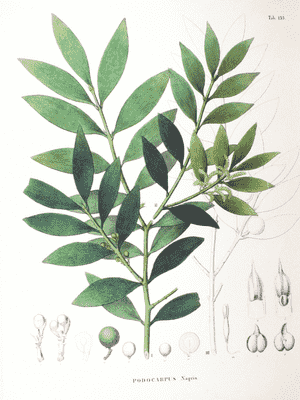
Myrica rubra can be successfully multiplied using the technique of stem sections. To achieve effective propagation, choose robust, developed stem segments and apply a rooting stimulant to foster root formation. Insert the cuttings into a substrate that drains efficiently, maintaining elevated humidity and steady dampness until roots take hold. A gradual shift to their final spot will facilitate improved adaptation and development.
Optimal Time for Asian Bayberry Propagation
Propagation Method
Cutting
Propagation Period
Autumn,Winter
Tools for Asian Bayberry Propagation
Sharp Pruning Shears
Crucial for making clean, precise cuts on asian bayberry stems or branches. Sharp shears minimize tissue damage, reducing infection risk and promoting faster healing. This tool ensures smooth cut surfaces, essential for successful rooting.
Rooting Hormone
This chemical compound stimulates root development from asian bayberry cuttings, increasing propagation success. Applied to the fresh cut end, it significantly enhances root formation and establishment during initial stages.
Potting Mix
A well-draining, sterile potting mix offers an ideal environment for asian bayberry cuttings to root. The mix should be light enough for air and moisture to reach developing roots, yet sturdy enough to support the cutting. A blend of peat, perlite, and vermiculite is often recommended.
Propagation Trays
These trays hold the propagation media and organize asian bayberry cuttings. They simplify handling and transport, helping maintain necessary humidity and temperature for rooting.
Plastic Covers or Mini Greenhouse
A plastic cover or mini greenhouse helps maintain high humidity around asian bayberry cuttings, vital for preventing them from drying out before rooting. This tool also aids in temperature regulation, providing a stable growth environment.
Asian Bayberry Propagation Difficulty
Propagation Type
Moderately Difficult
Post-Propagation Care for Asian Bayberry
How to Care for Your Newly Propagated Asian Bayberry?
Once roots form, typically in a few weeks, slowly introduce new asian bayberry plants to less humid conditions by removing the plastic cover. Transplant them into larger pots or a prepared garden spot using organic-rich soil. Water regularly to keep soil consistently moist and provide partial to full sunlight. Fertilize lightly with a balanced, slow-release fertilizer for strong growth. Monitor for pests and diseases, treating as needed for healthy development.
Common Errors in Asian Bayberry Propagation
Overwatering
Excessive moisture can lead to root rot and fungal issues, severely impeding asian bayberry's growth and propagation success.
Using unhealthy parent material
Selecting cuttings or seeds from a diseased or weak asian bayberry parent can result in poor propagation outcomes and transmit problems to new plants.
Ignoring cleanliness
Failure to sterilize tools or containers can introduce pathogens, hindering asian bayberry's rooting or growth and potentially killing young plants.
Improper soil medium
Using a soil medium lacking proper drainage or aeration can lead to poor root development for asian bayberry. This species requires a specific soil type to thrive.
Neglecting acclimatization
Failing to acclimate propagated asian bayberry to its new environment can shock the plant, causing wilting or death.
Tips for Propagating Asian Bayberry
Adequate moisture
Maintain balanced soil moisture levels as asian bayberry cuttings need a moist environment for root establishment while avoiding waterlogged conditions.
Choose healthy parent material
Select vigorous and disease-free parent material for cuttings or seeds to ensure robust growth and successful asian bayberry propagation.
Ensure tool cleanliness
Always use sterilized tools and containers when propagating asian bayberry to prevent disease spread and encourage healthy growth.
Appropriate soil medium
Use a well-draining soil mix rich in organic matter to provide ideal conditions for asian bayberry rooting and growth.
Gradual acclimatization
Gradually introduce propagated asian bayberry to its permanent location to minimize transplant shock and increase survival rates.



