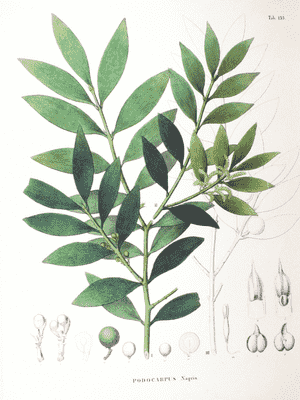
Asian bayberry (Nageia nagi)
Also known as: Nagi
Native to China and Japan, Nageia nagi, also known as Asian bayberry, is a versatile tree that thrives in various climates. Although it grows slowly, it can be propagated through seeds or cuttings. The wood from this tree is commonly utilized in construction for houses and bridges, as well as in the creation of furniture and utensils.
In This Article
Attributes of Asian bayberry
Lifespan
Perennial
Plant Type
Tree
Plant Height
15 m to 20 m
Spread
4.5 m to 8 m
Leaf Color
Green
Flower Size
Not applicable as it is a conifer and does not produce typical flowers
Flower Color
Yellow Green
Images of Asian bayberry
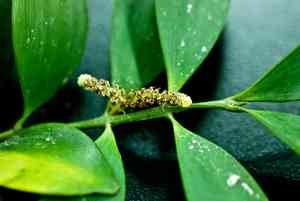
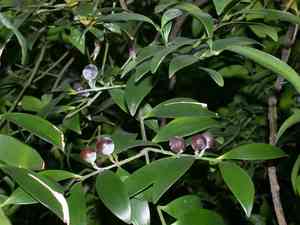
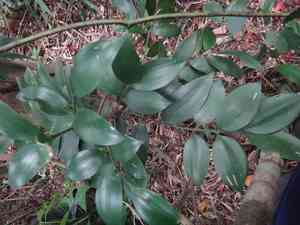
Quickly Identify Asian bayberry
1
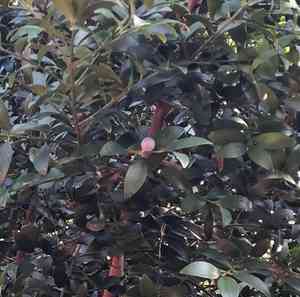
Nageia nagi can be identified by its broad, leathery, and dark green leaves, which are arranged in a unique opposite pattern. The tree also produces small, fleshy fruit that turns from green to a dark purple or black as it matures.
Scientific Classification of Asian bayberry
Phylum
Vascular plants
Class
Conifers
Order
Pines and allies
Family
Podocarpus
Genus
Nageia
Species
Asian bayberry
Planting and Growing of Asian bayberry
Care Difficulty
Easy
Watering Schedule
Every 2 days
Sunlight Requirements
Partial sun
Sunshine Duration
4-8 hours
Ideal Temperature
59-77℉
Soil Type
Potting Mix, Peat Mix
Soil pH
6.5-7.5
Fertilizer Type
Balanced
Pruning Season
Spring, Summer
Pruning Area
Branches, Leaves
Pruning Frequency
2 times a year
Repotting Season
Spring
Pot Type
Plastic, Ceramic
 How to Water Asian bayberry?
Nageia nagi requires careful attention to watering. The soil should be moist but not waterlogged, usually around 500 ml per session. It is essential to let the top inch of soil dry out between waterings to prevent root rot.
What are the symptoms of an underwatered Asian bayberry?
›
What should I do if my Asian bayberry is not getting enough water?
›
What are the symptoms of an overwatered Asian bayberry?
›
How to save an overwatered Asian bayberry?
›
 What Are the Sunlight Requirements for Asian bayberry?
Nageia nagi benefits from partial sun conditions, which simulate its native environment. This balance of light supports active growth and healthy foliage without the risk of leaf burn.
More About Sunlight Requirements Techniques→
How much light does Nageia nagi need?
›
How can you provide ideal lighting for Nageia nagi?
›
What benefits does ideal lighting offer Nageia nagi?
›
 What Is the Ideal Temperature Range for Asian bayberry?
The ideal temperature range for Nageia nagi is between 59°F to 77°F. This warm temperate range supports optimal growth, ensuring the plant can maintain its physiological and metabolic processes effectively. Maintaining this temperature will help the plant thrive, promoting healthy foliage and overall plant vigor.
 What Soil is Best for Asian bayberry?
Nageia nagi thrives in well-draining soil that prevents waterlogging. Good drainage is vital as it allows roots to breathe and reduces the risk of root rot, ensuring healthier growth. The plant prefers moderately fertile soil that provides essential nutrients without overwhelming the roots. Balanced fertility supports steady growth and foliage development. While drainage is crucial, retaining some moisture helps maintain root hydration, especially during dry spells. This balance supports sustained growth and resilience.
 How to Fertilize Asian bayberry?
For Nageia nagi, use a moderate amount of fertilizer. Ensure you provide enough to support growth without overwhelming the plant. A monthly liquid feed should be at half the recommended dose on the fertilizer package, while slow-release granules should be approximately half a cup per application.
 How to Prune Asian bayberry?
First, inspect the plant for any dead or diseased branches, and remove these with clean, sharp pruning shears. Next, trim back overgrown areas to maintain the plant’s natural shape, making cuts just above a bud or lateral branch. Be careful not to remove more than one-third of the plant at any one time to avoid stress.
More About Pruning Techniques→
 How to Propagate Asian bayberry plant?
1
Choose fresh, viable seeds collected from mature Nageia nagi plants. Ensure the seeds are free from pests and disease for successful germination.
2
Use healthy, non-flowering stems for cuttings. Cut 4-6 inch sections just below a node and remove the lower leaves to prepare them for rooting.
3
Select a similar diameter scion and rootstock. Make a clean, matching cut and securely bind them together using grafting tape to promote successful union.
 How to Repot Asian bayberry plant?
1
Observe your Nageia nagi for signs such as roots emerging from drainage holes or a visibly pot-bound appearance. These indicators suggest that it is time for your plant to move into a larger home, ensuring it has adequate space to grow vibrantly.
2
Select a pot slightly larger than the current one, ideally 2-3 inches bigger in diameter. A larger pot provides ample room for root expansion, promoting healthy growth. Ensure drainage holes at the bottom to prevent waterlogging, which can lead to root rot.
3
Opt for a well-draining loamy soil, which holds moisture yet allows excess to escape. This soil type supports root health by providing consistent moisture without risking saturation, thus preventing diseases associated with waterlogged conditions.



