How to Prune Asian bayberry?
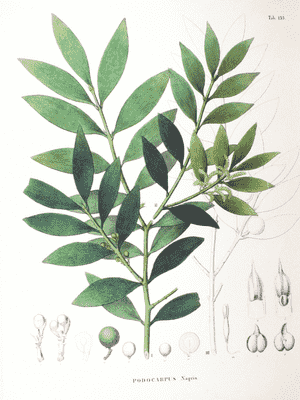
This perennial evergreen is recognized for its lustrous foliage and crimson, pulpy berries. For asian bayberry, trimming ought to concentrate on excising lifeless or ailing limbs and sculpting the specimen for visual appeal or spatial considerations. The optimal time for pruning is in winter, while the plant is inactive. Judicious thinning improves air movement and light exposure, which are vital for its well-being. All incisions must be precise to avert illness, and conservative pruning is advised to preserve its inherent structure and optimize fruit yield.
What Are the Benefits of Pruning Asian Bayberry?
What Are the Benefits of Pruning Asian Bayberry?
Trimming asian bayberry promotes robust development and helps maintain its form, leading to a healthier and more visually appealing specimen.
What Is the Best Time for Pruning Asian Bayberry?
What Is the Best Time for Pruning Asian Bayberry?
During this period, asian bayberry is dormant; pruning minimizes stress and encourages vigorous spring growth. It also allows gardeners to remove any dead or damaged branches without impacting flowering or fruiting, as asian bayberry has not yet invested energy in producing new shoots, leaves, or buds. Additionally, the plant's clear structure in winter offers better visibility for pruning, and the reduced risk of disease transmission in colder weather ensures improved plant health.
What Tools Do I Need to Prune Asian Bayberry?
Hand Pruners
Perfect for making precise cuts on asian bayberry's thinner branches and twigs. They deliver clean cuts that encourage healthy regrowth.
Loppers
Suitable for reaching into the dense foliage of asian bayberry and trimming thicker branches that hand pruners cannot manage.
Pruning Saw
Essential for cutting through asian bayberry's branches that are too thick for loppers, ensuring a smooth cut without harming the rest of the plant.
Hedge Shears
Effective for shaping asian bayberry, maintaining a desired form and removing excess foliage with minimal effort.
Pole Pruner
Useful for trimming branches that are out of reach on taller asian bayberry specimens, providing extended reach without needing ladders.
How to Prune Asian Bayberry
Identify
Examine asian bayberry's canopy for any visible signs of dead or diseased branches. These will often appear dry, brittle, and may have a different color than healthy growth.
Sanitize
Before making any cuts, clean your pruning shears with a solution of one part bleach to nine parts water to prevent the spread of disease.
Cut Dead Branches
Using the sanitized pruning shears, carefully remove dead branches by cutting them at the point where they meet healthy tissue, at a slight angle to prevent water accumulation.
Cut Diseased Branches
For diseased branches, cut at least a few inches into the healthy tissue beyond the affected portion to ensure all diseased parts are removed. Dispose of the pruned material properly to prevent contamination.
Review
Re-examine asian bayberry after pruning to ensure all dead and diseased branches have been removed, and the plant maintains a balanced structure. Repeat the process as necessary, but avoid over-pruning.
Common Pruning Mistakes with Asian Bayberry
Over-Pruning
Removing too much foliage from asian bayberry can stress the plant, hinder its growth, and reduce its vigor. It is crucial to prune only what is necessary for the plant's health and shape.
Improper Cuts
Making cuts too close to the main stem or leaving large stubs can lead to disease and pest infestation. Cuts should be made at a 45-degree angle just above a node or outward-facing bud.
Use Of Dull Tools
Pruning with dull or dirty tools can cause jagged cuts that are slow to heal, increasing the risk of infection. Always use sharp, clean pruning shears.
Neglecting Diseased Branches
Failing to remove diseased, dead, or damaged branches promptly can allow problems to spread to the rest of asian bayberry. Regular inspection and timely removal of such branches are crucial.
Ignoring Plant Structure
Pruning without understanding the natural form of asian bayberry can result in an undesirable shape and damage the plant's structure. It's vital to prune with the plant's natural shape in mind.
Common Pruning Tips for Asian Bayberry
Selective Thinning
Remove only selected branches to improve air circulation and light penetration, which are essential for asian bayberry's health and flowering.
Prune For Shape
Prune asian bayberry to maintain its natural shape rather than forcing it into an unnatural form, which can harm the plant's health and aesthetic appeal.
Sanitary Measures
Sterilize pruning tools before and after use to prevent the spread of diseases between plants. Clean cuts help asian bayberry heal faster and resist infections.
Gradual Pruning
Instead of severe pruning, opt for gradual shaping over several seasons. This approach encourages steady growth and reduces stress on asian bayberry.
Monitoring Response
Observe how asian bayberry responds to pruning to better understand its growth patterns and to refine pruning practices for the plant's specific needs.



