How to Transplant Forest colicwood?
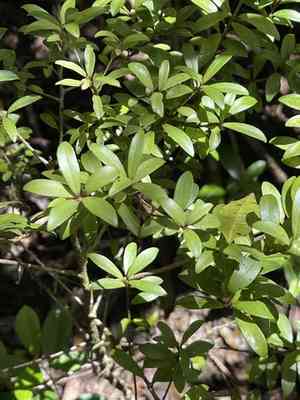
For forest colicwood, the period from early to mid-spring is perfect for relocation due to favorable growing circumstances. Choose a spot with partial shade and good drainage to guarantee successful establishment. Sufficient ground hydration and shelter from strong gusts are advised for optimal outcomes.
Essential Preparations Before Relocating Forest Colicwood?
Optimal Timing for Forest Colicwood Relocation?
Forest colicwood should ideally be moved in mid to late spring when the ground is warm and frost risk has passed. This timing ensures prime root establishment and development prior to summer's heat. This period also offers ample moisture, fostering healthier, faster adaptation in its new spot.
Required Spacing Between Forest Colicwood Plants?
When relocating forest colicwood, position each plant approximately 32-36 inches (81-91 cm) apart. This provides sufficient room for growth and promotes healthy air circulation.
Best Soil Mixture for Forest Colicwood Relocation?
Prepare the soil for forest colicwood by enriching it with organic compost. Aim for well-draining, slightly acidic to neutral soil. Utilize a balanced base fertilizer with a 10-10-10 NPK ratio for a nutrient boost.
Ideal New Location for Your Forest Colicwood?
Select a site that provides partial to full sunlight for forest colicwood. Ideally, it should receive at least 6 hours of sunlight daily, though some dappled shade is also beneficial for its development.
Equipment Needed Before Relocating Forest Colicwood?
Gardening Gloves
To safeguard your hands while handling soil and the plant.
Shovel or Spade
Crucial for digging and lifting the plant from its current spot.
Hand Trowel
Useful for precise digging and working around the root system.
Pruning Shears
To trim any damaged or excessively long roots.
Wheelbarrow
Helpful for moving the plant to its new position.
Garden Fork
For loosening soil, making it easier to dig and extract plants.
Watering Can or Hose
For moistening the soil before and after relocation.
Mulch
To aid in moisture retention after the plant has been moved.
How to Extract Forest Colicwood from the Soil?
How to Extract Forest Colicwood from the Soil?
From Ground: First, hydrate the forest colicwood to moisten the soil. Then, excavate a wide trench around the plant using a shovel or spade, ensuring the root ball remains intact. Carefully work the spade beneath the root ball to lift the plant from its original spot.From Pot: Water the soil thoroughly before removal. Tilt the pot and gently tap the sides to loosen the soil. Grasp the base of the forest colicwood and carefully slide it out, taking care not to harm the roots.From Seedling Tray: Water the tray before removal. Use a hand trowel to gently lift the seedlings, ensuring to keep as much soil around the roots as possible. Handle the seedlings by their leaves, not their stems, to prevent damage.
Step-by-Step Guide for Relocating Forest Colicwood
Prepare New Site
Ensure the new planting location is ready by digging a hole twice as wide and the same depth as the forest colicwood's root ball.
Amend Soil
Incorporate any necessary soil enhancements, such as compost or organic matter, to create a rich environment for the forest colicwood.
Remove Plant
Follow the appropriate extraction method for the original location of your forest colicwood.
Transfer Plant
Carefully place the forest colicwood into the prepared hole, ensuring it sits at the same depth as it was in its previous spot.
Backfill Hole
Fill the hole with soil, gently firming it around the roots to eliminate air pockets.
Watering
Thoroughly water the forest colicwood to help settle the soil and establish good root-to-soil contact.
Add Mulch
Apply a 2-3 inch layer of mulch around the base of the forest colicwood to help retain moisture and regulate soil temperature.
Post-Relocation Care for Forest Colicwood.
Watering
Keep the soil around the forest colicwood consistently moist, but not waterlogged, for the initial weeks after relocation to aid in strong root development.
Mulching
Regularly inspect the mulch and ensure it maintains its depth to help retain soil moisture.
Monitoring
Observe the forest colicwood for any indications of transplant shock, such as wilting or yellowing leaves, and address these issues promptly.
Weeding
Keep the area surrounding the forest colicwood free of weeds to reduce competition for nutrients and water.
Resolving Common Issues with Forest Colicwood Relocation.
When is the best time to relocate forest colicwood?
The optimal period to relocate forest colicwood is mid to late spring for prime growth.
How far apart should I space forest colicwood when relocating?
Space forest colicwood 32 to 36 inches (81 to 91 cm) apart to ensure proper growth and air circulation.
What type of soil is best for relocating forest colicwood?
Well-draining, slightly acidic to neutral soil is ideal for successful relocation of forest colicwood.
How deep should I plant forest colicwood during relocation?
Plant forest colicwood at the same depth it was growing in its original container to avoid stress.
What should I do if forest colicwood appears wilted after relocating?
Water thoroughly and provide some temporary shade; wilting can occur due to transplant shock.
Is it necessary to prune forest colicwood before relocating?
Pruning is not essential, but removing damaged or dead branches can help reduce stress.
How frequently should I water forest colicwood after relocating?
Water forest colicwood regularly but ensure the soil is not waterlogged; maintain consistent moisture levels.
Should I fertilize forest colicwood immediately after relocating?
Wait a few weeks before fertilizing to give forest colicwood time to adjust to its new location.
How can I protect forest colicwood from pests after relocating?
Inspect forest colicwood regularly and use organic pesticides or natural predators to manage pest infestations.
What if the leaves of forest colicwood turn yellow after relocating?
Yellow leaves may indicate overwatering or poor drainage; adjust watering habits and ensure good drainage.



