How to Prune Forest colicwood?
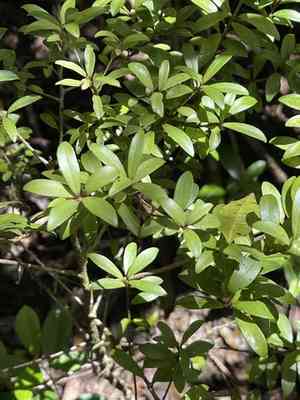
Forest colicwood features thick leaves and can thrive in diverse settings. To achieve the best development, trim it in early spring prior to the emergence of new shoots. Concentrate on eliminating lifeless or frail branches and molding the plant to boost air movement and sunlight exposure. Consistent trimming aids in preserving the plant's well-being, enhances its visual attractiveness, and stimulates robust development. Precise and prompt trimming can additionally avert ailments and insect problems. Consult reliable horticultural manuals for specific methods suited for forest colicwood.
Advantages of Trimming Forest Colicwood
Advantages of Trimming Forest Colicwood
Trimming forest colicwood promotes vigorous development, maintains its form, and supports robust growth. Eliminating dead or diseased limbs enhances air circulation and light penetration, improving its overall look and resistance to pests and illnesses.
Optimal Time for Trimming Forest Colicwood
Optimal Time for Trimming Forest Colicwood
Early spring is the best period for trimming forest colicwood as it aligns with the plant's natural growth cycle. Pruning at this time allows for rapid recovery, with new growth appearing soon after. Additionally, trimming forest colicwood then helps ensure the plant's health and vitality, reducing the risk of disease and pest infestations that might occur if cut during its dormant winter phase. Early spring pruning also avoids interfering with flowering or fruiting seasons, guaranteeing a plentiful bloom or harvest.
Necessary Tools for Trimming Forest Colicwood
Bypass Pruners
Perfect for making clean cuts on living stems and branches up to 1 inch in diameter. They help maintain plant health by causing minimal harm.
Loppers
Used for cutting thicker branches (1-2 inches in diameter). The extended handles provide leverage, simplifying the cutting of tougher wood.
Pruning Saw
Crucial for removing larger branches or dead wood. The saw's sharp teeth enable precise cuts without tearing the wood.
Pole Pruner
Useful for reaching higher branches or those difficult to access without a ladder. It ensures safe pruning without the need for climbing.
How to Trim Forest Colicwood
Inspect
Thoroughly examine forest colicwood to identify all parts requiring trimming, including diseased leaves, withered leaves, dead branches, and diseased branches.
Tools
Prepare and sanitize pruning tools. Use pruning shears for smaller parts like leaves and loppers or a pruning saw for thicker branches.
Remove diseased leaves
Carefully cut away any diseased leaves at their base where they join stems to prevent further infection.
Prune withered leaves
Snip off withered leaves close to their attachment point on the stems, ensuring clean cuts to minimize stress on forest colicwood.
Cut dead diseased branches
Cut back dead and diseased branches to healthy tissue or to the main trunk, using clean cuts to promote proper healing and reduce the risk of decay.
Common Trimming Errors with Forest Colicwood
Incorrect technique
Using dull or unsuitable tools can result in jagged cuts that may lead to infections or delayed healing in forest colicwood. Always ensure tools are sharp and sterilized.
Excessive trimming
Removing too much foliage at once can stress the plant and hinder its growth. Avoid pruning more than one-third of the plant at a time.
Trimming at the wrong spot
Cutting too close to the main stem or too far from a node can damage forest colicwood and cause dieback. Ensure cuts are made just above a node or lateral branch.
Neglecting to clean tools
Dirty pruning tools can spread diseases. Always clean and sterilize tools before and after use on forest colicwood.
General Trimming Advice for Forest Colicwood
Utilize appropriate tools
Invest in high-quality, sharp pruners or shears. This ensures clean cuts that heal faster and reduce the risk of disease in forest colicwood.
Make deliberate cuts
Prune just above leaf nodes or a lateral branch, ensuring a slight angle cut to prevent water accumulation and subsequent rot.
Sanitize tools
Regularly clean tools with rubbing alcohol or a bleach solution to prevent disease transmission between plants.
Focus on dead or diseased branches
Prioritize removing dead, diseased, or damaged branches to improve the overall health of forest colicwood. This helps the plant direct energy to healthy growth.
Maintain plant shape
Consider the natural shape and growth habit of forest colicwood when pruning. Aim to enhance airflow and light penetration within the plant canopy without altering its natural form excessively.



