How to Transplant Bells of Ireland?
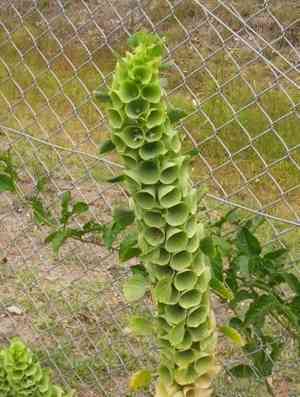
The ideal period for relocating bells of Ireland is from early to mid-spring, which facilitates excellent growth. Choose a site featuring soil that drains effectively and offers partial shade. Should it be necessary, offer extra bracing to keep them from falling. Enjoy your transplanting!
What Preparations are Needed Before Transplanting Bells Of Ireland?
What is the Ideal Time for Transplanting Bells Of Ireland?
The optimal period to relocate bells of Ireland spans from early spring to mid-spring. This timeframe supports its development, ensuring a robust and flourishing plant. Transplanting at this point enhances bells of Ireland's resilience against climatic shifts and pests, providing a strong foundation.
How Much Space Should You Leave Between Bells Of Ireland Plants?
When moving bells of Ireland, it's advisable to provide ample room for growth. Position each plant approximately 1-2 feet (30-60 cm) apart to guarantee sufficient space for them to flourish.
What is the Best Soil Mix for Bells Of Ireland Transplanting?
For bells of Ireland, a well-draining, fertile soil is perfect. Incorporate organic matter, such as compost or aged manure, to boost soil fertility and structure. A balanced, slow-release fertilizer can also provide a nutritional boost.
Where Should You Relocate Your Bells Of Ireland?
Select a site for bells of Ireland that receives abundant sunlight. A minimum of 6 hours of direct sun daily will aid in their strong and healthy development. A south or west-facing spot is typically a good choice.
What Equipments Should You Prepare Before Transplantation Bells Of Ireland?
Gardening Gloves
To safeguard your hands from soil and prevent any harm while handling the bells of Ireland plant.
Garden Spade/Shovel
To assist in excavating the hole for the bells of Ireland plant in the new area and removing it from its previous spot.
Garden Trowel
For minor tasks like refining the planting hole or loosening soil around seedling roots.
Watering Can/Hose
To hydrate the plant post-transplant to settle the soil around its roots.
Gardening Shears
To trim any damaged or excessive growth of the bells of Ireland before or after relocation, promoting new development.
How Do You Remove Bells Of Ireland from the Soil?
How Do You Remove Bells Of Ireland from the Soil?
From Ground: Begin by thoroughly watering the bells of Ireland plant to loosen the soil. Carefully dig around the plant to avoid root damage. Gently lift the plant with a spade, ensuring the root ball stays intact.From Pot: Incline the pot sideways and gently tap it to release the bells of Ireland plant. If necessary, use a trowel to loosen the soil along the edges. Ensure the root ball remains whole during removal.From Seedling Tray: Water the seedlings prior to transplanting to simplify the process. Use a trowel to scoop out individual bells of Ireland plants, being careful not to harm the delicate roots.
Step-by-Step Guide for Transplanting Bells Of Ireland
Plan Ahead
Determine the optimal time for transplanting bells of Ireland, typically in autumn or spring. Aim to transplant on an overcast day to prevent the plant from drying out too quickly.
Remove bells of Ireland
Employ the removal technique suited to your situation and carefully extract the bells of Ireland from its original spot.
Prepare the Hole
Excavate a hole at the new planting site that is twice as wide and the same depth as the root ball. Use your spade for this task.
Plant bells of Ireland
Position the bells of Ireland in the hole, ensuring it is not planted deeper than its original location. Gently backfill the hole with soil, being careful not to cover the stem.
Water Immediately
Thoroughly water the plant right after transplanting. This will settle the soil around the roots and aid the plant's recovery from transplant shock.
Prune if Necessary
If you observe any damaged or excessive growth, use your garden shears to prune the bells of Ireland. This will direct the plant's energy towards root development.
How Do You Care For Bells Of Ireland After Transplanting?
Watering
Maintain consistent moisture in the soil around the bells of Ireland, but avoid waterlogging. Excessive watering can lead to root rot.
Pruning
Regularly trim your bells of Ireland to preserve its form and encourage denser growth. Use clean, sharp shears and remove any yellowed or dry foliage.
Seasonal Care
As an annual/biennial plant, bells of Ireland will require varied care across seasons. During colder months, shield the plant from frost, and in hotter months, ensure it receives ample water to prevent dehydration.
Pest Control
Monitor for common pests that favor bells of Ireland; apply a mild pesticide if you detect any signs of infestation.
Monitoring
Always keep an eye on your bells of Ireland's health. Look for indicators of stress such as wilting or yellowing leaves. If the plant appears unhealthy, it might need more water, less sun, or a larger container, depending on the issue.
Troubleshooting Common Issues with Bells Of Ireland Transplantation.
What is the best time of the year to transplant bells of Ireland?
Bells of Ireland thrives in cool conditions. Ideally, you should transplant them from early to mid-spring.
How far apart should I space bells of Ireland when transplanting?
Bells of Ireland requires ample room to grow. Maintain a distance of at least 1-2 feet (30-60 cm) between each plant.
How deep should I dig the hole for transplanting bells of Ireland?
The hole should be sufficiently deep and wide to fully accommodate the roots of bells of Ireland, typically about 6-8 inches (15-20 cm).
Do bells of Ireland require any particular type of soil?
Bells of Ireland are not overly particular, but they perform best in well-draining soil. If the soil is heavy, incorporate some compost to enhance drainage.
How should I prepare the soil before transplanting bells of Ireland?
Before relocating bells of Ireland, ensure the soil is thoroughly loosened. Adding a layer of compost can provide additional nutrients.
What care should be taken right after transplanting bells of Ireland?
Water bells of Ireland immediately after transplanting to settle the soil around the roots and prevent dehydration.
Should I prune bells of Ireland during the transplanting process?
Typically, bells of Ireland does not need pruning during transplantation. However, if any part is damaged, remove it to encourage better growth.
Do I need to acclimate bells of Ireland before transplanting outdoors?
Yes, gradually expose bells of Ireland to its new outdoor environment over a week to prevent shock, a process known as 'hardening off'.
How do I know if my transplanted bells of Ireland is doing well?
If your relocated bells of Ireland begins to produce new growth and maintains a vibrant, green hue, it indicates they are thriving.
What symptoms show bells of Ireland might be struggling after transplantation?
If bells of Ireland exhibits wilting, yellowing or browning, or stunted growth, these could be signs of transplantation stress.



