How to Propagate Bells of Ireland?
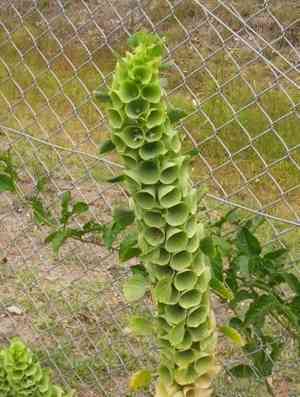
Bells of Ireland is best multiplied by planting seeds during the springtime. This procedure is quite straightforward, with the appearance of seedlings signifying successful cultivation. Provide a growing medium that drains effectively and sustain steady hydration for peak outcomes.
Optimal Time for Bells Of Ireland Propagation
Propagation Method
Seeding
Propagation Period
Spring
Tools Required for Bells Of Ireland Propagation
Seed trays or flats
These containers are used for initiating bells of Ireland seeds, offering ample room for numerous seeds while enabling precise control over soil depth, moisture, and temperature, all vital for bells of Ireland seed sprouting.
Sterilized potting mix
Bells of Ireland seeds necessitate a clean, well-draining growth medium to prevent illness and encourage robust root formation. Employing a sterilized potting mix helps guarantee that the seeds are not exposed to pathogens that could impede their development.
Misting bottle
Bells of Ireland seeds thrive with consistent moisture during germination. A misting bottle offers a gentle method to water the seeds without dislodging them with strong water flow, ensuring they stay in place and receive sufficient hydration.
Propagation heat mat
Since bells of Ireland seeds germinate best in warm conditions, a propagation heat mat can be positioned beneath the seed trays to maintain the ideal soil temperature, thereby boosting the germination rate.
Grow lights
If natural light is insufficient, grow lights help replicate the necessary sunlight spectrum for bells of Ireland seedlings to develop strongly and healthily. This is particularly crucial post-germination to prevent spindly growth.
Transparent dome or plastic wrap
Creates a miniature greenhouse effect over the seed tray, preserving high humidity and a stable temperature. This environment is advantageous for bells of Ireland seeds to sprout effectively.
Plant labels and markers
These aid in identifying bells of Ireland plants and monitoring their growth. It's crucial to clearly label each plant or group of plants, as seedlings can be easily confused with other species in their early stages.
Tweezers or dibber
A tool, such as tweezers or a dibber, may be utilized to precisely handle and position bells of Ireland seeds, especially when they are small and require accurate placement within the growing medium.
Steps to Propagate Bells Of Ireland
Propagation Method
Seeding
Difficulty Level
Easy
Post-Propagation Care for Bells Of Ireland
Post-Propagation Care for Bells Of Ireland
After propagating bells of Ireland, it's crucial to continue providing proper care. Position the plants in a sunny spot as they prefer full sun exposure. Water them regularly, but allow the soil to dry out slightly between watering sessions. Fertilize with a balanced, slow-release fertilizer every 4-6 weeks during the active growth period. Bells of Ireland plants are quite drought-tolerant, so avoid overwatering. Provide support for tall stems with stakes if needed, especially in windy areas. Monitor for pests and diseases, and address them promptly with suitable interventions. Finally, deadhead spent flowers to encourage more blooms and maintain a tidy appearance.
Common Errors to Avoid When Propagating Bells Of Ireland
Excessive moisture
Keeping the soil too wet during bells of Ireland propagation can lead to root rot and fungal infections. This error reduces the likelihood of successful seedling development and can kill young plants.
Deep sowing
Planting bells of Ireland seeds too deeply can impede germination, as they require light to sprout properly. The potential outcome is poor or no germination rates.
Neglecting temperature requirements
Failing to provide an adequate temperature range for bells of Ireland's germination can result in low germination success, as they have a specific temperature preference for optimal growth.
Overcrowding
Sowing bells of Ireland seeds too closely can lead to competition for light, space, and nutrients. This can cause weak growth and make seedlings more vulnerable to diseases.
Ignoring soil condition
Using poor or unsuitable soil when propagating bells of Ireland can result in unhealthy plants due to insufficient nutrients or drainage. It is essential to use a well-draining medium.
Tips for Propagating Bells Of Ireland
Surface sowing
Gently press bells of Ireland seeds onto the soil surface, as they need light to germinate. This practice promotes consistent and successful germination.
Moisture control
Maintain consistent moisture but prevent waterlogging the soil when propagating bells of Ireland. This balance ensures proper seed germination and root development without the risk of rot.
Adequate spacing
Ensure bells of Ireland seeds are spaced sufficiently apart. This provides enough room for growth and minimizes the chance of disease spread.
Optimal temperature monitoring
Provide bells of Ireland with the correct temperature range for germination, which typically involves moderate warmth. This ensures a higher rate of successful plant development.
Soil quality
Use a fertile, well-draining soil mix for propagating bells of Ireland. Enriching the soil with compost or a balanced fertilizer can improve nutrition and structure for better plant health.



