How to Prune Bells of Ireland?
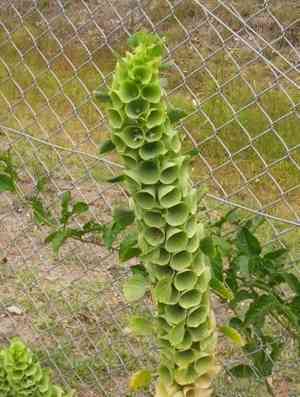
Distinguished by its prominent green spikes, Moluccella laevis flourishes with judicious trimming. Eliminate spent blossoms and trim back to the closest leaf node to stimulate branching and successive flowering. Perform pruning in early spring prior to the onset of new growth; and lightly in late autumn to preserve the plant's vigor. Advantages encompass thicker leaves and prolonged blooming, but refrain from severe cutting to safeguard its structural soundness. Removing spent flowers encourages a subsequent flush of blooms, thereby augmenting the garden's aesthetic charm.
What Are the Benefits of Pruning Bells Of Ireland?
What Are the Benefits of Pruning Bells Of Ireland?
Trimming bells of Ireland promotes strong development and helps maintain its characteristic form. Regular cutting can stimulate new growth, ensuring the plant remains full and appealing.
What Is the Best Time for Pruning Bells Of Ireland?
What Is the Best Time for Pruning Bells Of Ireland?
Pruning bells of Ireland in early spring allows for the removal of any winter damage before new growth starts, ensuring the plant's energy is directed towards producing healthy new shoots. This timing also enables gardeners to effectively shape the plant and maintain its desired form without negatively impacting the upcoming bloom period. Trimming bells of Ireland during late fall, after the flowering cycle has finished, helps in removing spent flowers and seed pods, thereby preventing unwanted self-sowing. This post-flowering pruning also aids in reducing disease and pest pressure by eliminating potentially infested or infected plant material. Additionally, cutting back bells of Ireland at this time allows for improved air circulation and light penetration, fostering robust growth in the subsequent season.
What Tools Do I Need to Prune Bells Of Ireland?
Bypass Pruners
Bells of Ireland has relatively slender stems, and bypass pruners are perfect for making clean cuts without crushing the plant's tissue. This is crucial for preventing disease and encouraging healthy regrowth.
Gloves
Due to bells of Ireland's textured foliage, which may be slightly prickly, gloves are advised to protect the gardener's hands from irritation during pruning.
Pruning Saw
If bells of Ireland has been allowed to grow for several seasons and has developed thicker, woodier stems that are too large for bypass pruners, a pruning saw is suitable for cutting through this tougher growth.
Sharpening Tool
Keeping the blades of pruning tools sharp ensures precise cuts and minimizes damage to bells of Ireland's stems, aiding in the plant's quick recovery.
Cleaning Solution
To prevent the spread of disease when pruning bells of Ireland, cleaning cutting tools before and after use is essential. A simple solution of bleach or rubbing alcohol can be used to sanitize the pruning equipment.
How to Prune Bells Of Ireland
Step1: Tool Preparation and Sterilization
Prepare your pruning tools. Before beginning, ensure your pruning shears are sharp and sterilized to prevent disease transmission. Wipe the blades with alcohol or a bleach solution consisting of one part bleach to nine parts water.
Step2: Identification of Withered Stalks
Identify withered stalks on bells of Ireland. These are stalks that have completed blooming, turned brown, and appear dry and brittle. Withered stalks are more easily found at the end of the growing season or after individual blooms have faded.
Step3: Disease Inspection on Stalks
Check for any signs of disease on the withered stalks. If you discover diseased areas, you must sterilize the shears after each cut to avoid contaminating healthy parts of bells of Ireland.
Step4: Strategic Cut Planning
Plan the pruning cuts. Make sure to cut the withered stalks at their base where they emerge from the main stem or just above the nearest set of healthy leaves. Avoid leaving large stubs as they can become a host for diseases.
Step5: Execution of Angled Cuts
Use your shears to make a clean, angled cut on the identified withered stalks of bells of Ireland. The angled cut should slope away from the main plant to prevent water from collecting on the cut surface, which could lead to rot or disease.
Step6: Disposal of Pruned Stalks
Dispose of the removed stalks appropriately. Do not compost diseased material as it can spread pathogens. Healthy plant material can be added to the compost pile.
Step7: Post-Pruning Hydration
After pruning, water bells of Ireland if the soil feels dry to ensure the plant remains hydrated for recovery and continued growth. Avoid overwatering as bells of Ireland prefers soil that is moist but well-drained.
Step8: Growth Monitoring
Monitor the plant for new growth. After pruning the withered stalks, bells of Ireland may produce new shoots from the base or remaining stems. Provide adequate care by ensuring proper sunlight, nutrients, and water to support the health and vigor of bells of Ireland.
Step9: Pruning Equipment Maintenance
Clean and store your pruning tools. After the pruning session, clean the shears thoroughly and apply oil to prevent rust. Store the tools in a dry area to keep them in good condition for future use.
Post-Pruning Care for Bells Of Ireland
Post-Pruning Care for Bells Of Ireland
Immediately after pruning bells of Ireland, maintain a well-lit environmentâbut avoid direct, intense sunlightâto reduce stress. Ensure the area is humid, with temperatures between 18-24°C to support recovery. Apply a balanced fertilizer to nourish bells of Ireland as it regrows. Regularly inspect bells of Ireland for discoloration, wilting, or lesions as signs of stress or disease. If detected, promptly adjust care or consult a plant specialist to address potential issues and prevent further damage.
Common Pruning Mistakes with Bells Of Ireland
Over-Pruning Reduces Flowering and Plant Health
Pruning bells of Ireland too aggressively can significantly hinder its ability to flower. Cutting back too much foliage or removing too many stems can jeopardize the plant's overall health and diminish its ornamental value.
Cutting into Woody Base Can Cause Stress and Infestations
Avoid cutting into the woody base of bells of Ireland. This can stress the plant and lead to disease or pest infestations, as the harder woody stems do not heal as readily as the softer, green growth.
Failure to Deadhead Leads to Unwanted Seed Production
Neglecting to remove dead or faded flowers from bells of Ireland. This can lead to seed production which saps energy from the plant that could be used for further growth and next season's blooms.
Dull and Dirty Tools Harm Stems and Spread Diseases
Using dull or dirty pruning tools can damage the stems of bells of Ireland and introduce diseases. Clean, sharp tools are essential for making precise cuts and preventing harm to the plant.
Pruning Against Natural Shape Ruins Aesthetic
Ignoring the natural shape of bells of Ireland while pruning can result in an unnatural appearance. Pruning should enhance the plant's growth habit, not work against it.
Common Pruning Tips for Bells Of Ireland
Thin Out for Better Light and Air Circulation
When pruning bells of Ireland, focus on thinning out crowded areas to improve air circulation and light penetration, which are vital for preventing diseases and encouraging robust growth.
Pinch Back Tips for Bushier Growth and More Flowers
Pinch back the tips of young bells of Ireland plants to promote bushier growth and more flowers. This can be done by simply removing the top set of leaves with your fingers or with a pair of pruning shears.
Deadhead Regularly for Continuous Blooms and Neatness
Regularly deadhead spent flowers of bells of Ireland to encourage continued blooming throughout the growing season and to maintain a tidy appearance.
Cut Back After Bloom for a Second Flowering
After the main bloom, cut back the flower stems of bells of Ireland by about one third to potentially stimulate a second, albeit smaller, flush of flowers.
Remove Yellowing Leaves to Prevent Disease and Promote Vigor
During active growth, remove any yellowing or damaged leaves to prevent potential disease spread and to keep bells of Ireland looking healthy and vigorous.



