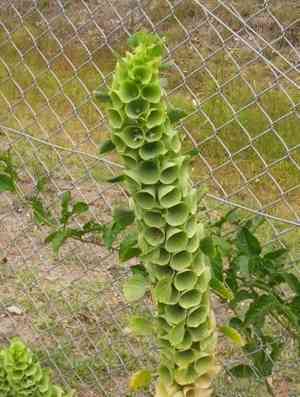
Bells of Ireland (Moluccella laevis)
Also known as: Shellflower, Molucca balmis
For a striking and fragrant backdrop to your tulips, consider planting **Bells of Ireland**. These hardy annuals feature small white flowers nestled in attractive green calyxes. They self-seed easily and are excellent for cut flower arrangements. Placing them behind your tulips will create a beautiful and aromatic display in your garden.
In This Article
Attributes of Bells of Ireland
Lifespan
Annual, Perennial, Biennial
Plant Type
Herb
Plant Height
1 m
Spread
30 cm
Leaf Color
Green
Flower Size
2.5 cm
Flower Color
White Green
Images of Bells of Ireland
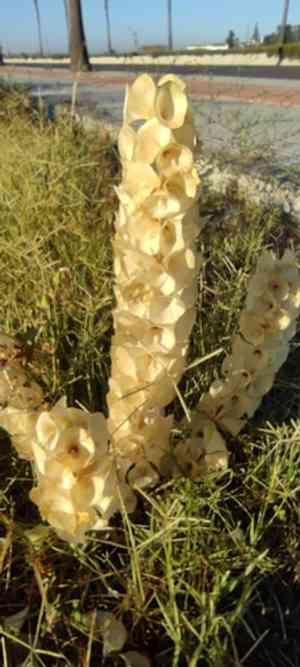
Quickly Identify Bells of Ireland
1
Striking flower spikes with green calyces and prickly thorns, reaching 2-3 feet (60-90 cm) tall.
2
Tiny, fragrant white blooms enclosed in large, cup-shaped green calyces, forming 3-foot (90 cm) spikes.
3
Light green leaves, oval to heart-shaped, 2.5 inches (6.35 cm) long, with serrated edges and visible veins.
Scientific Classification of Bells of Ireland
Phylum
Vascular plants
Class
Dicotyledons
Order
Lamiales
Family
Mint
Genus
Irish bells
Species
Bells of Ireland
Planting and Growing of Bells of Ireland
Care Difficulty
Easy
Watering Schedule
Every 4 days
Sunlight Requirements
Partial sun
Sunshine Duration
6-10 hours
Ideal Temperature
65-75℉
Soil Type
Potting Mix, Peat Mix
Soil pH
6.5-7.5
Fertilizer Type
Balanced
Pruning Season
Spring, Summer
Pruning Area
Branches, Leaves
Pruning Frequency
Once a year
Repotting Season
Spring
Pot Type
Ceramic, Plastic
 How to Water Bells of Ireland?
For Moluccella laevis, it's essential to keep the soil moderately moist but not waterlogged. Approximately 300 ml of water per session should suffice. The goal is to allow water to seep through the soil until it's evenly damp, ensuring all roots have access to moisture. Avoid excess water accumulation, which might lead to root rot.
What are the symptoms of an underwatered Bells of Ireland?
›
What should I do if my Bells of Ireland is not getting enough water?
›
What are the symptoms of an overwatered Bells of Ireland?
›
How to save an overwatered Bells of Ireland?
›
 What Are the Sunlight Requirements for Bells of Ireland?
Moluccella laevis thrives in partial sun, which provides the right balance between photosynthesis efficiency and temperature moderation. This optimizes growth, flowering, and the plant’s overall resistance to environmental stressors.
More About Sunlight Requirements Techniques→
What is the ideal light exposure for Moluccella laevis?
›
How can I ensure Moluccella laevis receives ideal lighting?
›
What benefits arise from ideal lighting for Moluccella laevis?
›
 What Is the Ideal Temperature Range for Bells of Ireland?
The ideal temperature range for Moluccella laevis is between 65°F and 75°F. In this range, the plant can photosynthesize efficiently and maintain its biological processes at optimal levels. This temperature range supports healthy growth and development, ensuring vibrant foliage and robust blooming.
 What Soil is Best for Bells of Ireland?
Moluccella laevis thrives in well-drained soil, which helps prevent root rot and encourages healthy root development. This characteristic ensures the plant receives adequate oxygen and moisture without waterlogging. A soil rich in nutrients supports the robust growth of Moluccella laevis, helping it to develop lush foliage and abundant blooms. Regular additions of organic matter can significantly enhance soil fertility. Soil that retains moderate moisture levels is ideal, providing a consistent water supply to the plant while allowing excess water to drain away, thus preventing fungal issues.
 How to Fertilize Bells of Ireland?
Moluccella laevis, commonly known as Bells of Ireland, benefits from a balanced fertilizer. For liquid fertilizers, use a balanced 10-10-10 NPK solution, diluting it to half-strength. For solid or slow-release fertilizers, follow the package instructions closely, picking a product with a balanced nutrient profile. Over-fertilization can harm the plant, so less is often more.
 How to Prune Bells of Ireland?
Start by inspecting the plant for dead or damaged stems, and use clean, sharp scissors or pruning shears to remove them. Focus on cutting back to a node or main stem to encourage new, sturdy growth. Ensure each cut is clean to minimize stress on the plant. Moluccella laevis tends to grow tall, so trim the tallest stems selectively to create a uniform height. Aim to achieve a dome-shaped appearance which allows light to penetrate the plant evenly, ensuring vibrant and lush foliage.
More About Pruning Techniques→
 How to Propagate Bells of Ireland plant?
1
Start by filling seed trays with sterile potting mix. Sow Moluccella laevis seeds on the surface and lightly press them into the soil. Do not cover them deeply as they require light for germination.
2
After sowing, water the seeds gently using a fine mist or a spray bottle. Ensure the soil remains consistently moist but not waterlogged throughout the germination phase.
3
Place seed trays in a warm location with bright, indirect sunlight. A temperature range of 18-21°C (65-70°F) is ideal for germination. Use a heat mat if ambient temperatures are lower.
 How to Repot Bells of Ireland plant?
1
Moluccella laevis should be repotted when the roots start circling the pot bottom or when growth appears stunted. Signs such as wilting despite regular watering or rapid root growth through drainage holes indicate the need for repotting.
2
Select a pot one size larger than the current one, preferably made of ceramic or plastic. Ensure it has adequate drainage holes to prevent waterlogging. The right pot allows roots to spread and thrive, promoting overall plant health and vitality.
3
Choose a well-draining potting mix that is slightly sandy to mimic natural growing conditions. Such soil prevents root rot by allowing excess water to pass through quickly, ensuring the roots have proper aeration and space to flourish.
Learn More About Bells of Ireland Diseases
Anthracnose
Bacterial Leaf Spot
Bacterial Soft Rot
Bacterial Wilt
Chemical Injury
Damping-off
Downy Mildew
Drought Stress
Fusarium Wilt
Gray Mold
Leaf Spot
Mosaic
Nutrient Deficiency
Nutrient Toxicity
Powdery Mildew
Root Rot
Root-knot Nematode
Sooty Mold
Spider Mites
Temperature Stress
Thrips Damage
White Mold



