How to Transplant Three-nerved sandwort?
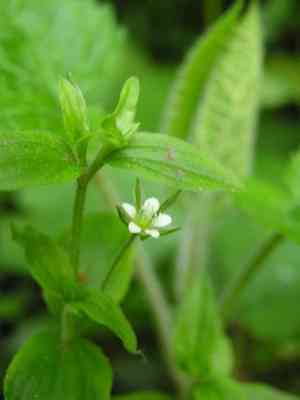
To ensure optimal establishment, relocate three-nerved sandwort from early spring's emergence through the peak of late spring's flowering, a period of maximum growth. Select a spot offering filtered sunlight and damp, adequately draining earth, mirroring their native woodland environments. Careful manipulation is crucial.
What Preparations are Needed Before Transplanting Three-nerved Sandwort?
What is the Ideal Time for Transplanting Three-nerved Sandwort?
The perfect period for moving three-nerved sandwort extends from the revitalizing warmth of thawed ground to the peak of spring bloom. Relocating three-nerved sandwort during this timeframe leverages mild temperatures and increasing daylight, promoting strong root growth and adaptation. This timing sets the stage for a thriving growing season, allowing three-nerved sandwort to establish itself before summer heat arrives.
How Much Space Should You Leave Between Three-nerved Sandwort Plants?
Hello, gardening enthusiast! Before introducing three-nerved sandwort to your garden, ensure they have adequate room to thrive. Position each one approximately 6-9 inches (15-23 cm) apart. This spacing will enable their roots to spread and allow them to grow harmoniously with their neighbors.
What is the Best Soil Mix for Three-nerved Sandwort Transplanting?
For three-nerved sandwort, a robust beginning starts beneath the surface. Utilize rich, well-draining soil and incorporate a small amount of all-purpose, slow-release fertilizer to give them a boost. Just a light sprinkle will suffice â consider it a welcoming treat for your new green additions!
Where Should You Relocate Your Three-nerved Sandwort?
When selecting the optimal sun exposure for three-nerved sandwort, aim for a spot with partial shade. They prefer soaking in filtered sunlight rather than direct midday sun, making a dappled area of your garden their perfect abode!
What Equipments Should You Prepare Before Transplantation Three-nerved Sandwort?
Gardening Gloves
To safeguard your hands while handling soil and plants.
Shovel or Spade
For excavating the plant and preparing its new location.
Hand Trowel
For more precise tasks like loosening soil and lifting small specimens.
Watering Can or Hose
To hydrate the plant before and after its relocation.
Wheelbarrow
To move the plant and soil to and from the new planting site.
Garden Fork
To loosen and aerate the soil surrounding the root mass.
Pruning Shears
To trim any damaged roots or foliage prior to transplanting.
Measuring Tape
To ensure correct spacing between multiple transplanted plants.
Mulch
To aid in moisture retention and weed suppression around the newly planted area.
How Do You Remove Three-nerved Sandwort from the Soil?
How Do You Remove Three-nerved Sandwort from the Soil?
From Ground: First, moisten the three-nerved sandwort plant's soil. This facilitates plant removal and minimizes root stress. Use a shovel or garden fork to dig a wide circle around the plant, far enough to avoid cutting into the root system. Carefully work the tool beneath the root ball and gently lift the plant from the ground.From Pot: Begin by watering the three-nerved sandwort plant to ease its extraction. Turn the pot on its side and tap the base to dislodge the plant. Gently pull the plant by the stem's base or carefully slide it out while supporting the root ball with your hand. If roots are circling, gently untangle them before planting.From Seedling Tray: Dampen the soil in the tray to prevent root damage. Use a hand trowel or similar tool to lift the seedling by its root ball. Handle delicate seedlings by their leaves, not their fragile stems, to prevent injury.
Step-by-Step Guide for Transplanting Three-nerved Sandwort
Prepare the New Site
Excavate a hole in your garden at least twice the width and equal to the depth of the three-nerved sandwort plant's root ball. Loosen the soil at the bottom of the hole using a garden fork or hand trowel.
Position the Plant
Place the three-nerved sandwort plant in the center of the excavated hole. Adjust its depth so it sits at the same level it previously grew, or slightly higher to account for settling.
Refill the Hole
Gently backfill around the plant with soil. Firm the soil with your hands to eliminate air pockets, but avoid compacting it too tightly, as this can hinder root development.
Water Thoroughly
Water the plant immediately after transplanting to settle the soil and hydrate its roots. Use a gentle flow to prevent washing away the soil around the plant.
Apply Mulch
Spread a layer of mulch around the base of the three-nerved sandwort plant, keeping it clear of the stem to prevent rot. This will help maintain moisture and regulate soil temperature.
How Do You Care For Three-nerved Sandwort After Transplanting?
Observation
Regularly inspect the three-nerved sandwort plant for indications of stress, such as wilting or discolored leaves, which may signal a need for more or less water or potential disease issues.
Watering
Maintain consistent moisture in the soil around the three-nerved sandwort plant without over-saturating it. Gradually decrease watering frequency as the plant becomes established.
Supporting Growth
Stake or provide support for the three-nerved sandwort plant if necessary, especially if it's situated in an area prone to strong winds or heavy rainfall.
Pruning
Remove any damaged or diseased leaves or stems to encourage healthy growth and prevent the spread of ailments.
Monitoring for Pests
Watch for common garden pests that might be attracted to the three-nerved sandwort plant, and take prompt action if any are observed.
Troubleshooting Common Issues with Three-nerved Sandwort Transplantation.
When is the best time to transplant three-nerved sandwort?
The optimal period for relocating three-nerved sandwort is from the early stirrings of spring to the milder conditions of late spring.
How far apart should I space three-nerved sandwort plants?
Allow each three-nerved sandwort ample room to thrive with an ideal spacing of 6-9 inches (15-23 cm) between them.
What should I do if three-nerved sandwort's leaves wilt after transplanting?
Ensure it receives sufficient water without being waterlogged, and shield it from intense sun until it has settled.
How deep should the holes be when transplanting three-nerved sandwort?
Dig holes just deep enough so the root ball sits level with the surrounding ground surface.
Why are my transplanted three-nerved sandwort plants not thriving?
Verify adequate sunlight exposure, proper watering, and freedom from root-bound conditions or competing weeds.
How can I tell if I'm overwatering transplanted three-nerved sandwort?
Soft, yellowing foliage or standing water at the base indicates it's time to reduce irrigation.
Is it necessary to fertilize three-nerved sandwort after transplanting?
A light application of balanced fertilizer can assist their establishment, but avoid excessive feeding.
What kind of sunlight does three-nerved sandwort require post-transplant?
Provide three-nerved sandwort with partial to full sun, favoring bright yet indirect light for acclimatization.
How should I handle three-nerved sandwort's root ball during transplanting?
Gently loosen the root ball without breaking it apart to encourage root expansion in its new location.
What soil conditions favor three-nerved sandwort after transplanting?
Aim for well-drained, fertile soil to create an ideal environment for three-nerved sandwort's new roots.



