How to Prune Three-nerved sandwort?
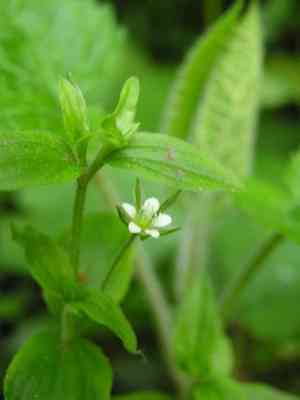
Three-nerved sandwort, a fragile perennial herb, thrives with very little trimming. Lightly cut back after blooming to foster compact development. Perform pruning in spring or once summer flowers have withered, refraining from doing so in autumn to safeguard foliage that overwinters. Eliminate faded blooms and lifeless matter. Trimming boosts plant robustness and can lower the occurrence of ailments, yet it typically requires minimal upkeep. Always employ sanitized, keen implements to avert harm and the spread of pathogens.
Advantages of Trimming Three-nerved Sandwort
Advantages of Trimming Three-nerved Sandwort
Trimming three-nerved sandwort encourages robust development and maintains its desired form. It ensures energy is directed to healthy branches, boosting overall vigor.
Optimal Time for Trimming Three-nerved Sandwort
Optimal Time for Trimming Three-nerved Sandwort
Trimming three-nerved sandwort in early Spring stimulates new growth as the plant exits dormancy. Early Summer trimming is beneficial for shaping the plant and promoting a second wave of growth. Early Fall trimming should be done carefully, removing only dead or diseased parts to preserve plant health without encouraging new growth that could be harmed by impending cold weather. These periods align with three-nerved sandwort's natural growth cycles while avoiding late Fall or Winter trimming, which could damage freshly cut stems in low temperatures.
Tools Required for Trimming Three-nerved Sandwort
Bypass Pruners
Perfect for making precise cuts on three-nerved sandwort, these pruners ensure clean and healthy cuts due to their sharp, scissor-like design, which is especially crucial for three-nerved sandwort's delicate stems.
Gardening Scissors
These are ideal for snipping off dead or yellowing leaves of three-nerved sandwort, as they allow for accuracy without causing unnecessary harm to the plant's small structure.
Handheld Micro-Tip Snips
Three-nerved sandwort needs gentle handling, and micro-tip snips are excellent for precise trimming of dense foliage or for reaching into the confined spaces of three-nerved sandwort's growth habit.
How to Trim Three-nerved Sandwort
Sanitize
Clean and sanitize your trimming tools before beginning the process to prevent the spread of disease to three-nerved sandwort.
Identify
Locate the withered leaves on three-nerved sandwort, ensuring you are targeting the correct parts for trimming.
Cut
Using sharp scissors or hand pruners, snip off the withered leaves at their base where they meet the stem. Avoid cutting healthy tissue to minimize stress to three-nerved sandwort.
Clear
Remove all trimmed material from the area around three-nerved sandwort to prevent any pests or diseases from multiplying.
Examine
Perform a final check of three-nerved sandwort for any remaining withered leaves or signs of pests and diseases, and repeat the trimming process if necessary.
Common Trimming Errors with Three-nerved Sandwort
Excessive trimming
Removing too much foliage from three-nerved sandwort can stress the plant, potentially leading to poor growth or reduced flowering.
Incorrect cut placements
Cutting too far from a bud or node on three-nerved sandwort can result in unattractive stems and potential entry points for disease.
Using dull implements
Employing dull trimming tools can cause ragged cuts, increasing the risk of disease and damage to three-nerved sandwort.
Neglecting tool hygiene
Failing to sterilize trimming tools before and after use on three-nerved sandwort can spread pathogens from infected plants to healthy ones.
Trimming for aesthetics only
Focusing solely on shaping three-nerved sandwort without considering the plant's health and growth can lead to suboptimal plant vitality.
General Trimming Advice for Three-nerved Sandwort
Selective trimming
Carefully remove dead or damaged stems from three-nerved sandwort to maintain plant health and appearance, without disrupting its natural growth habit.
Proper cut placement
Make cuts just above leaf nodes or buds to direct new growth and minimize chances of disease entry for three-nerved sandwort.
Sharp clean tools
Always use sharp, clean trimming tools to make clean cuts that heal quickly on three-nerved sandwort, reducing disease risk.
Trimming to enhance air circulation
Thin out dense areas of three-nerved sandwort if needed to improve air circulation and minimize the risk of fungal diseases.
Understanding growth patterns
Know the growth pattern of three-nerved sandwort to make cuts that encourage flowering and vigorous growth without stunting the plant's natural form.



