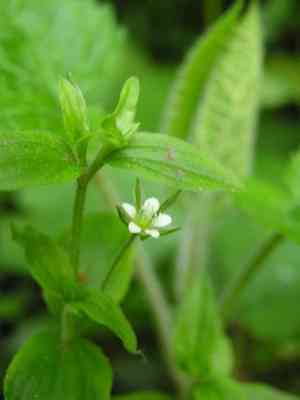
Three-nerved sandwort (Moehringia trinervia)
Also known as: Thee-nerved sandwort
These are delicate, annual to biennial herbaceous plants, typically growing between 10 and 20 cm tall. They often have slender, branched stems that are usually hairy and ascend from the base. A key identifying feature is their ovate, pointed leaves, which usually exhibit three, and occasionally five, prominent veins.
In This Article
Attributes of Three-nerved sandwort
Lifespan
Annual, Perennial
Plant Type
Herb
Plant Height
10 cm to 20 cm
Spread
30 cm
Leaf Color
Green
Flower Size
6 mm to 9 mm
Flower Color
White
Images of Three-nerved sandwort
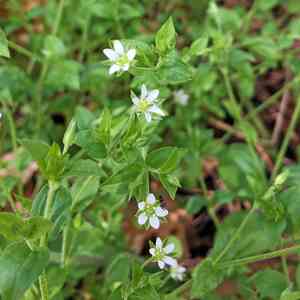
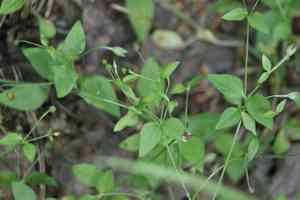
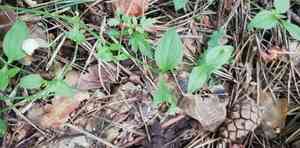
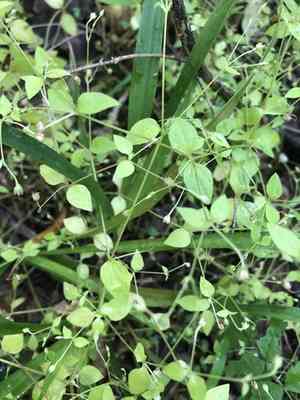
Quickly Identify Three-nerved sandwort
1
Moehringia trinervia can be identified by its small, lanceolate leaves with three prominent veins and its white, star-shaped flowers with five petals. Look for plants growing in shaded, damp areas.
Scientific Classification of Three-nerved sandwort
Phylum
Vascular plants
Class
Dicotyledons
Order
Caryophyllales
Family
Pink
Genus
Sandworts
Species
Three-nerved sandwort
Planting and Growing of Three-nerved sandwort
Care Difficulty
Easy
Watering Schedule
Every 4 days
Sunlight Requirements
Partial sun
Sunshine Duration
4-6 hours
Ideal Temperature
59-68℉
Soil Type
Potting Mix, Peat Mix
Soil pH
6.5-7.5
Fertilizer Type
Balanced
Pruning Season
Spring, Summer
Pruning Area
Branches, Leaves
Pruning Frequency
2 times a year
Repotting Season
Spring
Pot Type
Plastic, Ceramic
 How to Water Three-nerved sandwort?
When watering Moehringia trinervia, aim for a thorough soak until water drains from the pot's bottom. This ensures the soil's moisture reaches deeper roots, promoting healthy growth. However, avoid waterlogging by ensuring excess water flows away.
What are the symptoms of an underwatered Three-nerved sandwort?
›
What should I do if my Three-nerved sandwort is not getting enough water?
›
What are the symptoms of an overwatered Three-nerved sandwort?
›
How to save an overwatered Three-nerved sandwort?
›
 What Are the Sunlight Requirements for Three-nerved sandwort?
Partial sun, full shade is ideal for Moehringia trinervia. These conditions allow the plant to photosynthesize efficiently without the stress of harsh sunlight, vital for its flourishing foliage and growth.
What is the optimal lighting for Moehringia trinervia?
›
How can I provide ideal lighting for Moehringia trinervia?
›
What benefits does Moehringia trinervia gain from ideal lighting?
›
 What Is the Ideal Temperature Range for Three-nerved sandwort?
The ideal temperature range for Moehringia trinervia is between 59°F and 68°F. This range provides the plant with the best conditions for photosynthesis and growth. These temperatures are typical for temperate forest undergrowth where it naturally thrives.
 What Soil is Best for Three-nerved sandwort?
Moehringia trinervia thrives best in well-drained soil conditions, avoiding water logging which can lead to root rot. Ensuring drainage helps the plant absorb necessary nutrients efficiently, promoting robust growth and a healthier plant overall. The plant benefits from a medium that is rich in organic matter, helping it to retain moisture and nutrients. This results in vibrant foliage and an increased resistance to pests and diseases. A moderate level of moisture retention in the soil helps keep Moehringia trinervia well-hydrated, supporting consistent growth and blooming. Overly dry or soggy conditions can stress the plant, so balance is key.
 How to Fertilize Three-nerved sandwort?
For Moehringia trinervia, a balanced fertilizer diluted to half strength is ideal. Using a 10-10-10 liquid fertilizer, apply around 50-100 ml per plant per application, ensuring the soil remains moist but not soggy. Over-fertilizing can harm the plant, so always prioritize moderation and soil testing.
 How to Prune Three-nerved sandwort?
Begin by identifying dead, damaged, or diseased stems, which can be removed first. Trim back overgrown shoots to shape the plant and encourage denser growth. Cut just above a node to stimulate new growth. Use a sharp tool for precise cuts that avoid tearing the plant. A clean cut heals more quickly and helps prevent the entrance of pests and diseases. Inspect your work to ensure cuts are even and tidy.
More About Pruning Techniques→
 How to Propagate Three-nerved sandwort plant?
1
Begin by filling trays with a high-quality potting mix. Scatter the seeds evenly and cover them lightly with soil. Water gently to avoid displacing the seeds. Place the tray in a warm, bright location until germination occurs, which usually takes 2-3 weeks.
2
Select healthy, non-flowering stems to take cuttings. Use sharp pruners to cut a 3 to 4-inch piece just below a node. Remove the lower leaves, keeping only a pair at the top. This reduces water loss and encourages efficient rooting.
3
Dip the cut end of the cutting in rooting hormone powder to enhance root development. Plant the cutting in a well-draining medium. Ensure at least one node is buried in the soil. Maintain high humidity by covering with a plastic bag, and place in indirect light.
 How to Repot Three-nerved sandwort plant?
1
Repot Moehringia trinervia when you notice its growth has slowed or roots are emerging from drainage holes. This typically indicates the plant has outgrown its current pot or the soil has become depleted of nutrients, thus hindering its growth.
2
Opt for a pot just one size larger than the current one, ideally with sufficient drainage holes. This prevents waterlogging and encourages robust root development, providing the roots with ample space to spread and access nutrients.
3
Select a well-draining, loamy soil to support Moehringia trinervia. This type of soil offers excellent drainage and aeration, preventing root rot and ensuring the roots receive the necessary oxygen they need to thrive.
Learn More About Three-nerved sandwort Diseases
Anthracnose
Bacterial Leaf Spot
Bacterial Soft Rot
Chemical Injury
Damping-off
Downy Mildew
Drought Stress
Fusarium Wilt
Gray Mold
Leaf Spot
Mosaic
Nutrient Deficiency
Nutrient Toxicity
Powdery Mildew
Root Rot
Root-knot Nematode
Rusts
Sooty Mold
Spider Mites
Temperature Stress
Thrips Damage
White Mold



