The Three-nerved sandwort Plant Advantage: Maximizing Home and Office Appeal and Wellness
1
Three-nerved sandwort flourishes in dim forest settings.
2
It is recognized for its contribution to enhancing soil composition.
3
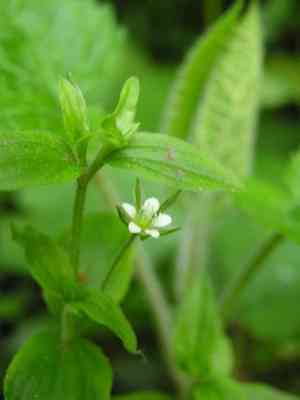
Three-nerved sandwort offers visual charm through its dainty, star-like blossoms.
What Makes Three-nerved sandwort Special for Your Garden?
Effortless Growth in Shaded Environments
Three-nerved sandwort distinguishes itself by its capacity to flourish in dim woodland settings. Many plants struggle without direct sunlight, but Three-nerved sandwort thrives, making it an excellent ground cover for spots where other flora might not prosper. This resilience enables gardeners to utilize every part of their plot efficiently.
Soil Enhancement
A significant advantage of Three-nerved sandwort is its positive influence on soil composition. Its root system aids in preserving soil integrity and preventing erosion. Over time, this can lead to richer earth that supports diverse plant life. Gardeners facing soil erosion issues will find Three-nerved sandwort to be an invaluable ally.
Visual Appeal
Three-nerved sandwort is recognized for its delicate, star-shaped blossoms, which impart a unique charm to any garden. These flowers are not only beautiful but also draw in pollinators like bees and butterflies. Incorporating Three-nerved sandwort into your garden can boost its overall biodiversity and contribute to a healthier ecosystem.
How Does Three-nerved sandwort Contribute to Biodiversity?
Supporting Local Fauna
By introducing Three-nerved sandwort to your garden, you establish a habitat that aids local wildlife. Its flowers offer nectar for pollinators, while its foliage provides refuge for small insects and creatures. This fosters a balanced ecosystem where various species can flourish.
Promoting Indigenous Plant Growth
Three-nerved sandwort often grows alongside native plants, assisting them by providing ground cover and lessening the competitive pressure from invasive species. This support can help preserve the local flora and ensure that native plants continue to thrive in their natural environment.
Practical Tips for Growing Three-nerved sandwort Successfully
Optimal Soil Conditions
To cultivate Three-nerved sandwort effectively, prepare a well-draining, loamy soil rich in organic matter. Adding compost or well-rotted manure can supply the necessary nutrients. Ensure the soil remains moist, especially during dry periods.
Best Planting Practices
Plant Three-nerved sandwort in a shaded or partially shaded area to emulate its natural woodland habitat. Space the plants adequately to allow for growth and air circulation. Mulching around the base can help retain moisture and suppress weeds, giving Three-nerved sandwort a better chance to establish itself.
Why Should You Add Three-nerved sandwort to Your Garden?
Minimal Maintenance Requirements
One of the attractive features of Three-nerved sandwort is its low maintenance nature. Once established, it demands little care, making it perfect for busy gardeners or those aiming to create a more self-sustaining garden space.
Environmental Advantages
Three-nerved sandwort not only enhances soil health but also supports local wildlife and plant diversity. By integrating it into your garden, you're making an eco-conscious choice that benefits the wider environment. This plant aids in building a more resilient and vibrant garden ecosystem.
What Potential Challenges Might You Face?
Vulnerability to Pests
While Three-nerved sandwort is generally robust, it may succumb to common garden pests such as aphids and slugs. Regular observation and employing organic pest control methods can help alleviate this issue, ensuring your plants remain healthy.
Managing Proliferation
Three-nerved sandwort can spread quickly under ideal conditions, sometimes encroaching on areas designated for other plants. Controlling its growth through consistent pruning and strategic planting can help maintain equilibrium in your garden.



