How to Transplant Carolina bristlemallow?
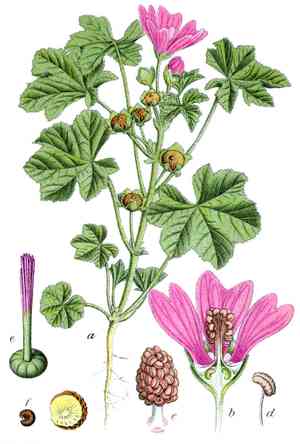
The ideal period for relocating carolina bristlemallow is during the season of increasing warmth, spanning from the latter part of spring through mid-summer. This timing enables carolina bristlemallow to become rooted in soil that drains effectively and receives abundant sunlight. Carefully settle carolina bristlemallow into its new location to foster robust development.
What Preparations are Needed Before Transplanting Carolina Bristlemallow?
What is the Ideal Time for Transplanting Carolina Bristlemallow?
The optimal period to relocate carolina bristlemallow is during the peak of spring or as early summer commences. This timeframe provides an ideal balance of warmth and mild conditions, vital for the roots of carolina bristlemallow to quickly establish in their new spot. Choosing this season for transplanting minimizes stress on the plants, promoting robust growth and abundant blooms. Carefully moving carolina bristlemallow now ensures it flourishes, enjoying the entire upcoming season for development.
How Much Space Should You Leave Between Carolina Bristlemallow Plants?
When planting carolina bristlemallow, you must provide each plant with adequate room to expand. I recommend leaving a gap of approximately 6-8 inches (15-20 cm) between each plant. This spacing allows them ample room to thrive and flower.
What is the Best Soil Mix for Carolina Bristlemallow Transplanting?
For carolina bristlemallow, a loamy or sandy soil type is advised, offering a good mix of drainage and moisture retention. Enhance the soil with a balanced slow-release fertilizer to ensure a rich foundation for their growth. Remember, a healthy beginning leads to a flourishing existence!
Where Should You Relocate Your Carolina Bristlemallow?
When selecting a site for your carolina bristlemallow, prioritize sunlight! These plants prefer partial to full sun, so a spot receiving at least 4-6 hours of daily sunlight would be perfect. Create a sun-drenched home for them in your garden.
What Equipments Should You Prepare Before Transplantation Carolina Bristlemallow?
Gardening Spade
Perfect for excavating the plant from its original spot while preserving the root system.
Gardening Trowel
This implement will be useful when creating space in the new location for the carolina bristlemallow plant.
Gardening Fork
Helpful for loosening the soil and improving its quality prior to transplanting.
Gardening Gloves
To safeguard your hands while digging and handling the plant.
Watering Can or Hose
To hydrate the carolina bristlemallow plant before and after relocation.
Wheelbarrow or Bucket
For moving the carolina bristlemallow plant to its new position.
How Do You Remove Carolina Bristlemallow from the Soil?
How Do You Remove Carolina Bristlemallow from the Soil?
From Ground: Start by thoroughly watering the carolina bristlemallow plant. This will help keep the root ball intact. Dig a trench around the carolina bristlemallow plant using the gardening spade. The trench needs to be wide enough to maintain the root ball's integrity. Use a gentle touch and extreme caution when lifting the plant to avoid damaging the roots.From Pot: If the plant is in a pot, pre-watering is less critical. After loosening the edges with a trowel, invert the pot while holding the base of the carolina bristlemallow plant and carefully tap it out.From Seedling Tray: These are typically quite shallow, so removing the carolina bristlemallow plant and its surrounding soil can be accomplished by gently tipping it from the tray.
Step-by-Step Guide for Transplanting Carolina Bristlemallow
Preparation
Prepare the new transplanting site. The hole should be twice the diameter of the carolina bristlemallow plant's root ball and of equal depth. Fill the hole with water and allow it to drain.
Plant Removal
Follow the provided instructions for removing the carolina bristlemallow plant from its initial location.
Placement
After preparation, position the carolina bristlemallow plant into the hole at the same depth it was in its original spot. Be careful not to bury the stem.
Fill the Hole
Backfill around the carolina bristlemallow plant with the original soil and gently firm it with your hands.
Watering
Water the plant generously, ensuring the root area is thoroughly moistened.
How Do You Care For Carolina Bristlemallow After Transplanting?
Water Frequency
Consistent watering is crucial for the first few weeks after transplantation. The carolina bristlemallow plant is adapting to its new environment and requires extra hydration. However, avoid waterlogging the area; moist is good, saturated is not.
Mulching
Apply a layer of organic mulch around the base of the carolina bristlemallow plant to help retain soil moisture and reduce weed competition. It will also create a clean zone around the plant and prevent soil-borne diseases from splashing onto the plant.
Monitoring
Closely observe the carolina bristlemallow plant's progress in the subsequent days. Look for any signs of stress; wilting, discoloration, or pests. Addressing these issues early will enhance the plant's chances of survival.
Troubleshooting Common Issues with Carolina Bristlemallow Transplantation.
What's the best time to transplant carolina bristlemallow?
The ideal period to transplant carolina bristlemallow is from late summer to early fall. This timeframe allows the plant sufficient time to adjust before the cold winter or hot summer.
What's the correct spacing for carolina bristlemallow during transplantation?
The recommended spacing for carolina bristlemallow is between 6-8 inches (15-20 cm). Proper spacing ensures optimal growth and prevents overcrowding.
How deep should the hole be when transplanting carolina bristlemallow?
The hole should be twice the size of the root ball. That's typically around 10 inches (25cm). Ensure the top of the root ball is level with the soil surface.
What type of soil is preferable for transplanting carolina bristlemallow?
Carolina bristlemallow thrives in well-drained soil rich in organic matter. If transplanting at home, add high-quality compost or potting soil to the planting site to boost soil fertility.
Is it crucial to water carolina bristlemallow immediately after transplanting?
Yes, prompt watering is essential to alleviate stress for carolina bristlemallow and help settle the soil around the roots.
How do I prevent transplant shock in carolina bristlemallow?
Reduce trim foliage and roots before planting, water appropriately after planting, and shield the plant from harsh elements for the initial weeks post-transplanting.
Should I apply fertilizers immediately after transplanting carolina bristlemallow?
Refrain from fertilizing until carolina bristlemallow shows signs of new growth. Too soon, and you risk burning the roots. You can begin with a slow-release, balanced fertilizer.
What if carolina bristlemallow shows yellow leaves after transplanting?
Yellow leaves may indicate transplant shock, from which it might recover naturally. If persistent, it suggests a water or nutrient imbalance. Ensure it's neither overwatered nor underfed.
How do I care for carolina bristlemallow after transplanting it?
Water carolina bristlemallow regularly and keep it in a location with partial shade. As it establishes, gradually reduce watering and increase sunlight exposure.
Is there any special care required for transplanting carolina bristlemallow?
Aside from watering and providing adequate sunlight, carolina bristlemallow doesn't require extra special care. Apply fertilizer sparingly once new growth appears, but avoid over-fertilizing.



