How to Propagate Carolina bristlemallow?
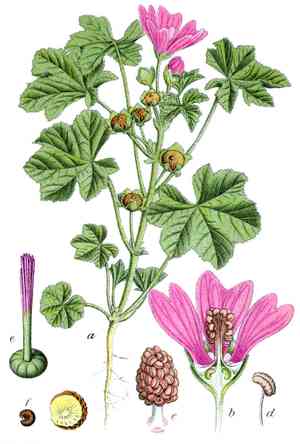
Carolina bristlemallow is most effectively propagated through cuttings taken in the Spring and Summer seasons. This propagation method is relatively straightforward, with indicators of success including the emergence of new foliage and the development of roots. For the best outcomes, guarantee steady hydration and adequate soil aeration.
What Is the Best Time To Propagate Carolina Bristlemallow?
Propagation Type
Cutting
Propagation Season
Spring, Summer
What Tools Are Used in Carolina Bristlemallow Propagation?
Sharp Pruning Shears
These are crucial for taking cuttings from carolina bristlemallow. Make sure the shears are clean and sharp to achieve precise cuts without crushing the plant's stems, which enhances propagation success by preventing damage and disease.
Rooting Hormone
This boosts the likelihood of successful root formation in carolina bristlemallow cuttings. Dipping the cut end of the cutting into the rooting hormone stimulates root growth, which is vital for new plant establishment.
Potting Mix or Sterile Growing Medium
A well-draining, nutrient-rich potting mix offers an ideal environment for carolina bristlemallow cuttings to develop roots. The medium's sterility ensures no pathogens are present that could harm the cutting during the delicate root initiation phase.
Propagation Trays or Small Pots
These are used to hold the growing medium and provide a stable environment for carolina bristlemallow cuttings. They should have sufficient drainage to prevent waterlogging, which can lead to rot.
Plastic Covers or Propagation Domes
These create a humid microclimate around carolina bristlemallow cuttings, which helps prevent moisture loss from leaves and stems, thereby aiding in the establishment of new root systems.
Heat Mats
For carolina bristlemallow, consistent warmth often encourages root growth. Heat mats placed under propagation trays can provide gentle heat, especially helpful if propagating in a cooler environment.
How to Propagate Carolina Bristlemallow?
Propagation Type
Cutting
Difficulty Level
Easy
How to Care for Your Newly Propagated Carolina Bristlemallow?
How to Care for Your Newly Propagated Carolina Bristlemallow?
Once the carolina bristlemallow cutting has rooted, it should be moved to a larger pot with fresh potting soil. Continue to water the plant regularly, allowing the soil to dry slightly between waterings. Place the plant in a location with full sun to partial shade, and apply a balanced, water-soluble fertilizer every 4-6 weeks during the growing season. Monitor for pests or diseases and address them promptly. With proper care, the carolina bristlemallow should continue to grow and thrive in its new setting.
Common Mistakes to Avoid When Propagating Carolina Bristlemallow
Overwatering
Too much water can cause root rot and fungal infections in carolina bristlemallow. Its roots need well-drained soil to prevent waterlogging. Overwatering can suffocate the roots, reducing the plant's survival chances during propagation.
Deep planting
Planting carolina bristlemallow cuttings or seeds too deeply can hinder germination or rooting. These plants benefit from a shallow planting depth where seeds are adequately covered but still receive enough light for germination.
Ignoring pests
Pests can significantly disrupt the propagation process of carolina bristlemallow. Common pests include aphids and spider mites, which can weaken or kill young plants. Failing to monitor and manage pests can lead to poor plant health and propagation failure.
Excessive fertilization
Applying too much fertilizer can cause nutrient burn, negatively impacting carolina bristlemallow's growth. A balanced approach to fertilization is crucial, as young plants are particularly sensitive to high nutrient levels.
Poor cutting selection
Using diseased or weak cuttings for propagation can result in poor establishment or spread of disease in carolina bristlemallow. Only healthy, vigorous cuttings should be used to ensure the best chance of success.
Not hardening off
Failing to acclimate carolina bristlemallow to outdoor conditions before transplanting can cause shock and hinder growth. Hardening off plants is vital for a smooth transition from a controlled environment to the outdoors.
Tips For Propagating Carolina Bristlemallow
Soil preparation
Ensure the soil is well-draining and fertile for carolina bristlemallow. A mix of sand, loam, and organic matter can provide the right conditions for root development and plant growth during propagation.
Light management
Provide carolina bristlemallow with adequate light during propagation, especially when germinating seeds. They need bright, indirect light to thrive. However, avoid direct sunlight, which can be too intense for young plants.
Pest monitoring
Regularly check for signs of pests on carolina bristlemallow and treat infestations promptly. Natural predators or insecticidal soaps can be used to control pest populations without harming the plant.
Consistent watering
Maintain consistent moisture levels without overwatering. Carolina bristlemallow needs sufficient water to establish roots but not so much that it causes waterlogging. A balanced approach to watering is crucial.
Careful fertilization
Apply a balanced fertilizer at the correct concentration for carolina bristlemallow. Fertilize sparingly and according to the plant's needs, ensuring nutrients are applied at stages beneficial for growth and establishment.
Use healthy cuttings
Select strong and healthy cuttings from carolina bristlemallow for propagation. This increases the chances of successful rooting and overall plant vigor. Inspect cuttings for signs of disease or damage before use.
Hardening off
Gradually acclimatize carolina bristlemallow to outdoor conditions to reduce transplant shock. This involves slowly increasing the time the plant spends outdoors over a week or two before permanent planting.



