How to Prune Carolina bristlemallow?
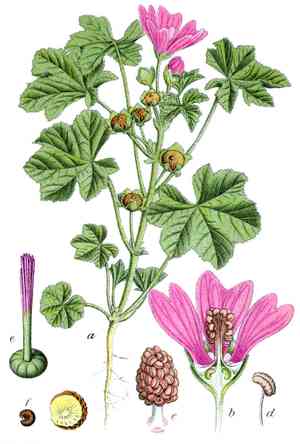
A persistent ground-covering plant, carolina bristlemallow is recognized for its spreading nature and cordate foliage. To achieve peak development, trim sparingly to preserve its form and foster a denser appearance. The most suitable period for trimming is during its vigorous growth periods, from spring to autumn. Consistent trimming aids in managing its expansion, stopping it from dominating neighboring flora. This variety thrives with the removal of spent blooms to extend its flowering period. Ensure the use of sanitized, keen instruments to avert the spread of pathogens while pruning.
What Are the Benefits of Pruning Carolina Bristlemallow?
What Are the Benefits of Pruning Carolina Bristlemallow?
Trimming carolina bristlemallow promotes more robust development by eliminating dead or overgrown branches, resulting in a healthier plant. It also assists in maintaining the desired form and size for visual appeal and garden consistency.
What Is the Best Time for Pruning Carolina Bristlemallow?
What Is the Best Time for Pruning Carolina Bristlemallow?
Pruning in Spring enables carolina bristlemallow to direct its energy toward new growth after the removal of old or dead foliage. Late Summer trimming aligns with the deceleration of carolina bristlemallow's growth cycle, making it less vulnerable to stress, while Early Fall pruning prepares carolina bristlemallow for dormancy by eliminating any unnecessary plant material that could harbor pests or diseases over winter. During these periods, carolina bristlemallow is best able to recover from pruning cuts and optimize its health for the subsequent growing season.
What Tools Do I Need to Prune Carolina Bristlemallow?
Hand Pruners
Perfect for removing slender stems and shoots of carolina bristlemallow, allowing for accurate cuts without harming the plant.
Pruning Shears
Ideal for shaping carolina bristlemallow and managing its spread, particularly when deadheading or thinning out crowded areas.
Gardening Gloves
Offer protection from carolina bristlemallow's small bristles when handling the plant.
Lopping Shears
Useful for cutting through thicker stems that hand pruners cannot manage, should carolina bristlemallow have more substantial growth.
How to Prune Carolina Bristlemallow
Sanitization
Before beginning, disinfect pruning tools with a solution of one part bleach to nine parts water to prevent the spread of diseases to carolina bristlemallow.
Identify
Locate dead stems on carolina bristlemallow by searching for stems that are brown and brittle, as opposed to green and flexible.
Cutting Technique
Using a sharp pair of garden shears, cut the dead stems at their base where they meet healthy growth, making a clean angled cut to allow water runoff and prevent rot or disease.
Disposal
Remove the pruned dead stems from the base of carolina bristlemallow to avoid any potential for disease or pest infestation.
Monitor Aftercare
Regularly observe carolina bristlemallow for additional dead stems that may appear, and repeat the pruning process as needed to maintain plant health and vigor.
Common Pruning Mistakes with Carolina Bristlemallow
Overpruning
A frequent error is removing too much growth at once, which can stress carolina bristlemallow and diminish its vitality.
Imprecise Cuts
Failing to make clean, angled cuts can damage carolina bristlemallow's stems, leading to disease and poor regrowth.
Dirty Tools
Using unclean pruning tools can introduce pathogens and infect carolina bristlemallow, compromising its health.
Cutting Too Close
Cutting too near the main stem or node can prevent carolina bristlemallow from healing properly and encourage disease.
Neglecting Deadheading
Not removing spent flowers, or deadheading, can cause carolina bristlemallow to invest energy in seed production rather than new growth and blooms.
Ignoring Shape
Disregarding the natural form of carolina bristlemallow during pruning can result in an unbalanced, less aesthetically pleasing plant.
Common Pruning Tips for Carolina Bristlemallow
Sharp Tools
Utilize sharp, clean pruning shears for making precise cuts that promote rapid healing in carolina bristlemallow.
Healthy Growth
Focus on removing only dead, diseased, or damaged stems to encourage healthy growth and improve air circulation in carolina bristlemallow.
Aesthetic Pruning
Trim carolina bristlemallow to maintain its natural shape, removing stray or wayward stems to enhance its overall appearance.
Thinning
Thin out dense areas of growth to allow light and air to penetrate the canopy of carolina bristlemallow, reducing the risk of fungal diseases.
Gradual Pruning
Prune carolina bristlemallow gradually, especially if reshaping is necessary. Spread out the pruning session over time to avoid shocking the plant.
Rejuvenation
If carolina bristlemallow has become overgrown or woody, consider rejuvenation pruning to encourage new, vigorous growth from the base.



