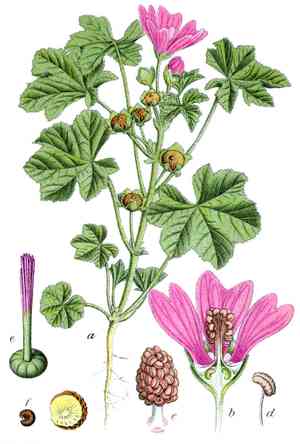
Carolina bristlemallow (Modiola caroliniana)
Also known as: Bristly-fruited mallow, Creeping mallow, Babosilla
Carolina bristlemallow (Modiola caroliniana) is a perennial weed often found in lawns. Despite its name, it is believed to have originated in South America. Its dry, crescent-shaped fruit splits open when ripe, aiding in seed dispersal. The plant likely spread unintentionally through maritime trade, reaching regions such as North America and Australia, where it has become invasive.
In This Article
Attributes of Carolina bristlemallow
Lifespan
Perennial, Annual, Biennial
Plant Type
Herb
Plant Height
10 cm to 15 cm
Spread
30 cm to 60 cm
Leaf Color
Green
Flower Size
1 mm to 2 mm
Flower Color
Red Orange Pink
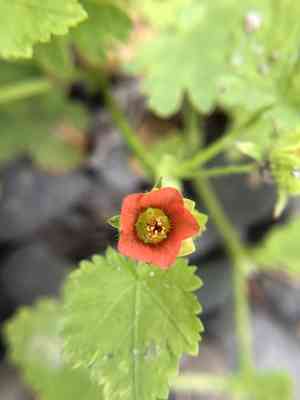
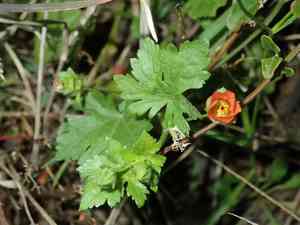
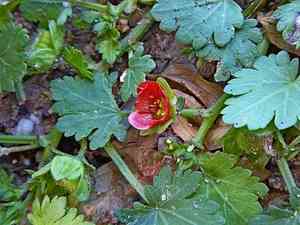
Images of Carolina bristlemallow
Quickly Identify Carolina bristlemallow
1
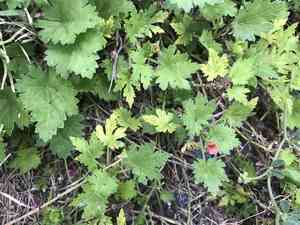
Modiola caroliniana can be identified by its low-growing, spreading habit, hairy stems, and small, rounded leaves with serrated margins. The flowers are typically small, pink to red, and have five petals.
Scientific Classification of Carolina bristlemallow
Phylum
Vascular plants
Class
Dicotyledons
Order
Malvales
Family
Mallow
Genus
Babosilla
Species
Carolina bristlemallow
Planting and Growing of Carolina bristlemallow
Care Difficulty
Easy
Watering Schedule
Every 3 days
Sunlight Requirements
Full sun
Sunshine Duration
6-10 hours
Ideal Temperature
60-75℉
Soil Type
Potting Mix, Peat Mix
Soil pH
6.5-7.5
Fertilizer Type
Balanced
Pruning Season
Spring, Summer
Pruning Area
Branches, Leaves
Pruning Frequency
2 times a year
Repotting Season
Spring
Pot Type
Terracotta, Plastic
 How to Water Carolina bristlemallow?
Modiola caroliniana thrives best when its soil is moist but not soggy. The watering quantity should ensure that the soil is adequately moistened, typically around 500 ml per session. This amount helps keep the plant hydrated without oversaturating its roots, promoting healthy growth.
What are the symptoms of an underwatered Carolina bristlemallow?
›
What should I do if my Carolina bristlemallow is not getting enough water?
›
What are the symptoms of an overwatered Carolina bristlemallow?
›
How to save an overwatered Carolina bristlemallow?
›
 What Are the Sunlight Requirements for Carolina bristlemallow?
Modiola caroliniana prefers full to partial sun for at least 4 to 6 hours daily. This light range promotes optimal growth, enhancing foliage coloration and promoting healthy blooms.
More About Sunlight Requirements Techniques→
What is the ideal sunlight needed?
›
How can you ensure it gets the right light?
›
What happens when these lighting conditions are met?
›
 What Is the Ideal Temperature Range for Carolina bristlemallow?
The ideal temperature range for growing Modiola caroliniana is between 60°F and 75°F. This range provides optimal conditions for photosynthesis and nutrient uptake, ensuring healthy growth and flowering. Maintaining a consistent environment within this range is crucial to avoid stress and diseases. Environmental controls such as greenhouses or indoor growing setups can help achieve and maintain the desired temperature.
 What Soil is Best for Carolina bristlemallow?
Modiola caroliniana thrives in nutrient-rich soil, which provides essential minerals and compounds necessary for robust growth. A fertile layer encourages strong root development and flourishing foliage. This plant requires soil that allows water to drain efficiently, preventing waterlogging. Proper drainage ensures the roots receive adequate oxygen and reduces the risk of root rot and other moisture-related diseases. While Modiola caroliniana needs good drainage, the soil should also have sufficient moisture retention. Well-balanced soil keeps it hydrated without becoming waterlogged, promoting consistent growth.
 How to Fertilize Carolina bristlemallow?
For Modiola caroliniana, use a balanced fertilizer with an N-P-K ratio of 10-10-10. For liquid fertilizer, apply approximately half a teaspoon per gallon of water. For slow-release granular fertilizers, use about a tablespoon per plant, ensuring even distribution around the base of the plant.
 How to Prune Carolina bristlemallow?
Always wear gloves when pruning Modiola caroliniana to protect yourself from potential allergens or irritants on the plant. Sterilize your pruning tools before and after use to prevent the spread of plant diseases. Ensure cuts are clean and straight to promote faster healing and reduce the risk of infection. Be mindful of the overall plant structure while pruning; this will help in maintaining its natural beauty and vigor without compromising its health. Check local regulations if you suspect the plant might be invasive in your area, as this can affect how you manage its growth.
More About Pruning Techniques→
 How to Propagate Carolina bristlemallow plant?
1
Use a well-draining soil mix to ensure the seeds or cuttings have adequate aeration and drainage. This is essential to prevent root rot and promote healthy growth.
2
Select healthy stems and use clean pruning shears to take 4-6 inch cuttings. Remove excess leaves to minimize water loss through transpiration.
3
Distribute the seeds evenly in a tray filled with moistened soil. Cover them lightly with soil and water gently to keep the surface moist until germination.
 How to Repot Carolina bristlemallow plant?
1
Repot Modiola caroliniana when you notice roots circling the base of the pot or protruding from drainage holes. Signs like stunted growth or water not retaining well indicate the need for a larger container. Ideally, performing this in spring or summer allows for optimal recovery.
2
Opt for a pot that is one size larger than the current one with adequate drainage holes to prevent waterlogging. A clay pot can be beneficial as it allows better airflow compared to plastic. This ensures healthy root development and prevents root rot.
3
Use a well-draining potting mix that retains some moisture but doesn't stay soggy. A mix containing peat, perlite, and some organic matter is ideal. This blend ensures good aeration and prevents compaction, allowing roots to thrive.
Learn More About Carolina bristlemallow Diseases
Anthracnose
Bacterial Leaf Spot
Bacterial Soft Rot
Bacterial Wilt
Black Spot
Chemical Injury
Crown Gall
Cyst Nematode
Damping-off
Downy Mildew
Drought Stress
Fusarium Wilt
Gray Mold
Leaf Curl
Leaf Spot
Mosaic
Nutrient Deficiency
Nutrient Toxicity
Powdery Mildew
Root Rot
Root-knot Nematode
Rusts
Sooty Mold
Spider Mites
Temperature Stress
Thrips Damage
White Mold



