How to Transplant Polynesian metrosideros?
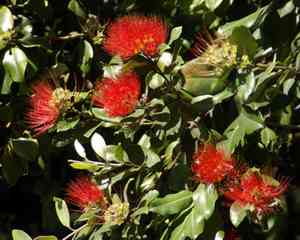
For optimal root development, the ideal period to relocate polynesian metrosideros is during the nascent warmth of early to mid-spring. Select a location that receives ample sunlight and possesses soil with good drainage. Careful manipulation of the root system will facilitate a smooth acclimation.
What Preparations are Needed Before Transplanting Polynesian Metrosideros?
What is the Ideal Time for Transplanting Polynesian Metrosideros?
Choosing the refreshing atmosphere of early to mid-spring provides the optimal period for relocating polynesian metrosideros. This season's consistent moisture and milder temperatures create perfect soil conditions, allowing polynesian metrosideros to develop strong root systems before summer's heat intensifies. Moving them during this time leverages the natural growth cycle of perennials, ensuring they settle in robustly. Feel confident using this timeframe; nature's rhythm guides us to flourishing polynesian metrosideros!
How Much Space Should You Leave Between Polynesian Metrosideros Plants?
For polynesian metrosideros, it's best to allow ample room around each specimen. I recommend spacing them approximately 2-3 feet (0.6-0.9 meters) apart. This will ensure every plant has sufficient space to thrive without crowding its neighbors.
What is the Best Soil Mix for Polynesian Metrosideros Transplanting?
Your polynesian metrosideros will flourish in soil that drains well. Consider a blend of loamy and sandy soil, as this offers a good balance of drainage and essential nutrients. Also, enrich the soil with a slow-release, balanced fertilizer to give your plant a strong start!
Where Should You Relocate Your Polynesian Metrosideros?
Selecting the correct site for your polynesian metrosideros is very important. It thrives with abundant sunlight, so choose a garden spot where it will receive at least six hours of direct sun daily. Your polynesian metrosideros will appreciate it!
What Equipments Should You Prepare Before Transplantation Polynesian Metrosideros?
Hand Trowel
To excavate small holes for the polynesian metrosideros roots, and to refill the hole after planting.
Gardening Gloves
To safeguard your hands while handling soil and plants.
Watering Can or Hose
To hydrate the polynesian metrosideros before, during, and after the relocation process.
Compost
To encourage healthy root development post-transplantation.
Garden Spade
To dig the new planting hole and extract the polynesian metrosideros from its original spot.
Pruners
To trim away any dead or unhealthy branches following transplantation.
Garden Fork
To loosen the soil around the polynesian metrosideros before carefully lifting and moving it.
How Do You Remove Polynesian Metrosideros from the Soil?
How Do You Remove Polynesian Metrosideros from the Soil?
From Ground: Start by thoroughly watering the polynesian metrosideros to soften the soil and make it easier to work with. Then, use a garden fork to loosen the soil around the plant, being careful to avoid root damage. Maintaining a safe distance from the main stem, dig deep enough with a spade to get beneath the root ball. Gently lift the plant.From Pot: First, water the plant completely. Turn the pot on its side, lightly grasp the plant by its stem, and tap the container's bottom until the plant slides out. Keep the root ball intact.From Seedling Tray: Water the seedlings prior to transplanting. Using a hand trowel, carefully lift the polynesian metrosideros seedling, ensuring all roots and surrounding soil remain undisturbed.
Step-by-Step Guide for Transplanting Polynesian Metrosideros
Preparation
Water the polynesian metrosideros thoroughly a few hours prior to the transplanting procedure. Prepare the new site by digging a hole that is twice the size of the root ball.
Transplanting
Carefully position the polynesian metrosideros in the hole. Ensure the plant is at the same depth as it was in its original location to prevent burying the stem. Add a mixture of compost and native soil to the hole.
Finishing
Backfill the hole with the remaining dirt, gently patting around the base of the polynesian metrosideros to secure it and eliminate any air pockets. Water thoroughly after completing the transplantation.
Immediate Care
Check the plant regularly during the first week to ensure it is adjusting well. Trim off any yellow leaves or branches to promote new growth.
How Do You Care For Polynesian Metrosideros After Transplanting?
Inspection and Pruning
Regularly examine the polynesian metrosideros for indications of stress, such as wilting, yellowing, or dropped leaves. Prune as needed to encourage healthier development.
Watering
While the polynesian metrosideros is establishing in its new spot, it will likely require more water than usual. Keep the soil consistently moist, adjusting the irrigation amount based on rainfall and weather conditions.
Mulching
Applying a layer of organic mulch around the base of the polynesian metrosideros can help retain moisture, reduce weed competition, and regulate soil temperature. However, keep the mulch away from the plant's stem to prevent rot.
Protection
If extreme weather is anticipated, consider providing some form of protection to the newly transplanted polynesian metrosideros, especially from intense sun exposure or frost.
Troubleshooting Common Issues with Polynesian Metrosideros Transplantation.
When should I transplant my polynesian metrosideros plant?
The optimal time to transplant your polynesian metrosideros plant is between season 1 and season 2. This allows the plant sufficient time to establish roots before harsher weather arrives.
What's the ideal spacing for transplanting polynesian metrosideros?
To allow your polynesian metrosideros to grow unhindered, maintain a distance of 2-3 feet (60-90 cm) between individual plants. This ensures proper growth and prevents overcrowding.
What should I do if my polynesian metrosideros isn't flourishing after transplant?
If your polynesian metrosideros isn't thriving, check the soil pH. Polynesian metrosideros prefers slightly acidic to neutral soil. Adjusting the pH may improve its condition.
Do I need to water polynesian metrosideros immediately after transplanting?
Yes, it's crucial to water polynesian metrosideros right after transplanting. This helps the plant settle and stimulates root establishment in its new location.
How deep should I plant the polynesian metrosideros during transplanting?
Plant polynesian metrosideros at the same depth it was growing previously. Planting too deep can harm the plant, while too shallow may expose the roots.
How do I ensure a successful transplant in colder climates?
In colder climates, definitely transplant your polynesian metrosideros during season 1 or 2, when frost is least likely. This gives the polynesian metrosideros ample time to establish.
Why are the leaves of my transplanted polynesian metrosideros turning yellow?
Yellowing leaves might indicate overwatering or a nutrient deficiency. Evaluate watering practices and consider adding a balanced slow-release fertilizer. Be careful not to overdo it!
What type of soil is best for transplanting polynesian metrosideros?
Polynesian metrosideros is quite adaptable and can thrive in various soils. However, it prefers well-draining soil, ideally slightly acidic to neutral.
How important is sunlight for polynesian metrosideros post-transplant?
Sunlight is vital for polynesian metrosideros. It enjoys full sun to partial shade. However, newly transplanted polynesian metrosideros might initially need some shade to avoid shock.
Can I transplant polynesian metrosideros indoors?
Yes, polynesian metrosideros can be transplanted indoors if provided enough space and light. Make sure you place the plant near a bright window and water it adequately.



