How to Propagate Polynesian metrosideros?
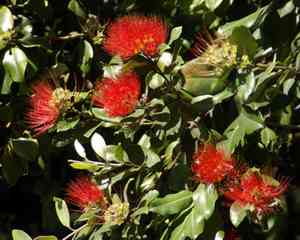
The reproduction of Polynesian metrosideros commonly utilizes stem sections, a suitable technique for this resilient variety. To effectively propagate Polynesian metrosideros, sever vigorous, non-blooming stalks during the cooler hours. Employ a keen, sanitized cutting tool to lessen trauma and avert illness. A root-stimulating compound can boost root formation. Insert the cuttings into a potting blend that drains efficiently, making certain they remain damp yet not saturated, beneath diffused illumination until they are rooted.
Optimal Time for Polynesian Metrosideros Propagation
Propagation Method
Cutting
Propagation Period
Autumn,Winter
Tools for Polynesian Metrosideros Propagation
Sharp Pruning Shears
Crucial for making clean, precise cuts, sharp pruning shears ensure that Polynesian Metrosideros cuttings are taken without crushing or harming plant tissues. This promotes better rooting and reduces disease risk at cut surfaces.
Rooting Hormone
This chemical compound boosts root formation in Polynesian Metrosideros cuttings by stimulating new root growth at the cut site. It significantly increases the success rate of cuttings taking root, leading to healthier, more viable new plants.
Sterile Potting Mix
A sterile potting mix is vital for providing a clean, controlled environment for Polynesian Metrosideros cuttings to root. This minimizes the risk of soil-borne diseases and pests affecting cuttings during the critical rooting phase.
Propagation Tray
Used to hold Polynesian Metrosideros cuttings and the potting medium, propagation trays are essential for an organized setup. They simplify monitoring and maintaining optimal growing conditions (humidity and temperature).
Humidity Dome
Placed over the propagation tray, a humidity dome helps maintain high humidity levels around Polynesian Metrosideros cuttings. This is crucial for preventing moisture loss through leaves and encouraging successful rooting.
How to Propagate Polynesian Metrosideros?
Propagation Difficulty
Moderately Difficult
Caring for Your Newly Propagated Polynesian Metrosideros
Caring for Your Newly Propagated Polynesian Metrosideros
Once roots are established, gradually acclimate the new Polynesian Metrosideros plant to lower humidity by opening the plastic bag or humidity dome periodically over a week. Move the plant to its permanent spot with full to partial sunlight, ensuring well-drained, moist soil. Regular watering and an annual balanced, slow-release fertilizer application will support healthy growth.
Common Mistakes to Avoid When Propagating Polynesian Metrosideros
Overwatering
Excessive watering can cause root rot in Polynesian Metrosideros, especially when the root system is still developing. Too much moisture around the roots fosters fungal and bacterial growth, potentially killing the plant.
Excessive use of fertilizer
Applying too much fertilizer can burn the emerging roots of Polynesian Metrosideros, hindering its growth. Young plants are particularly sensitive to high nutrient concentrations, which can damage delicate root structures.
Ignoring pest control
Failing to manage pests during the early stages of Polynesian Metrosideros propagation can lead to significant damage or disease. Pests like aphids and spider mites can severely impede plant health and growth.
Using inappropriate soil mix
Using the wrong soil mix can prevent proper root development in Polynesian Metrosideros. A mix that doesn't drain well will retain too much moisture, while one that's too coarse may not hold enough water for young roots.
Tips For Propagating Polynesian Metrosideros
Use a well-draining soil
Employ a soil mix that drains well yet retains adequate moisture, crucial for healthy Polynesian Metrosideros root growth. A blend of peat, perlite, and vermiculite usually works effectively.
Ensure adequate light
Providing Polynesian Metrosideros with sufficient but indirect sunlight is vital for its growth. Direct sun can scorch young plants, while too little light can result in weak, leggy growth.
Humidity maintenance
Maintaining high humidity levels helps Polynesian Metrosideros cuttings root effectively. Covering the propagation area with a plastic dome or using a humidity tray can create an ideal moist environment.
Gentle watering practices
Water Polynesian Metrosideros gently and consistently to keep the soil moist but not waterlogged. This supports steady growth and prevents issues associated with both under and overwatering.



