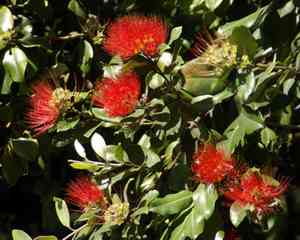
Polynesian metrosideros (Metrosideros collina)
Also known as: Hawaiian xx, New Zealand Christmas Tree
The Polynesian metrosideros, a flowering plant native to Pacific islands, is known for its vibrant red blossoms. In Hawaii, it is called the "Lehua of Hawaii," a name steeped in local legend. According to Hawaiian mythology, the fire goddess Pele, driven by jealousy, transformed a woman named Lehua into the flower of the ʻōhiʻa lehua tree. This myth reflects the cultural significance and deep-rooted stories associated with the plant in Hawaiian tradition.
In This Article
Attributes of Polynesian metrosideros
Lifespan
Perennial
Plant Type
Tree, Shrub
Plant Height
8 m
Spread
3 m
Leaf Color
Green with a silvery underside
Flower Size
5-7 cm
Flower Color
Green Red
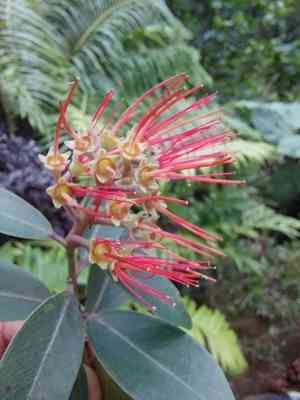
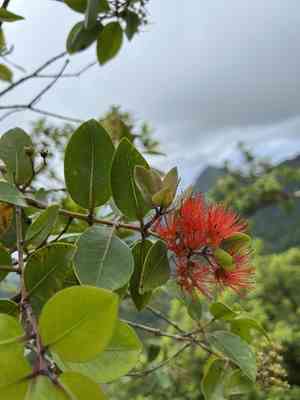
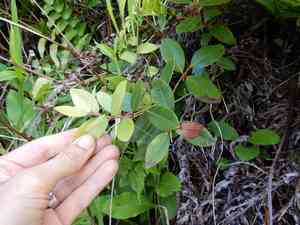
Images of Polynesian metrosideros
Quickly Identify Polynesian metrosideros
1
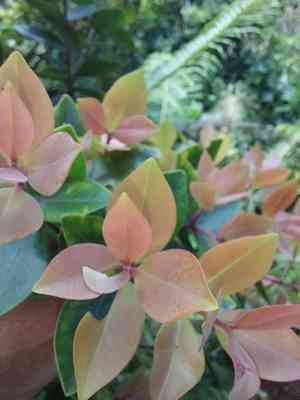
This plant can be identified by its bright red, brush-like flowers and leathery, ovate leaves. The flowers are arranged in dense clusters, and the leaves have a distinctive silvery underside.
Scientific Classification of Polynesian metrosideros
Phylum
Vascular plants
Class
Dicotyledons
Order
Myrtales
Family
Myrtle
Genus
Metrosideros
Species
Polynesian metrosideros
Planting and Growing of Polynesian metrosideros
Care Difficulty
Moderate
Watering Schedule
Every 2 days
Sunlight Requirements
Full sun
Sunshine Duration
6-10 hours
Ideal Temperature
65-75℉
Soil Type
Potting Mix, Peat Mix
Soil pH
6.5-7.5
Fertilizer Type
Balanced
Pruning Season
Spring, Summer
Pruning Area
Branches, Leaves
Pruning Frequency
2 times a year
Repotting Season
Spring
Pot Type
Ceramic, Plastic
 How to Water Polynesian metrosideros?
Metrosideros collina requires about 500 milliliters of water each time you water it. The key principle is to ensure the soil remains moist but not waterlogged. Water until the top inch of soil feels damp to the touch, but avoid allowing water to pool at the bottom of the pot. This helps in maintaining adequate moisture without suffocating the roots.
What are the symptoms of an underwatered Polynesian metrosideros?
›
What should I do if my Polynesian metrosideros is not getting enough water?
›
What are the symptoms of an overwatered Polynesian metrosideros?
›
How to save an overwatered Polynesian metrosideros?
›
 What Are the Sunlight Requirements for Polynesian metrosideros?
Metrosideros collina flourishes in full sun or partial sun conditions. Consistent exposure to 6-8 hours of balanced light helps support its natural growth patterns and enhances its flowering potential.
More About Sunlight Requirements Techniques→
What are the ideal lighting conditions for Metrosideros collina?
›
How can you achieve the ideal lighting for Metrosideros collina?
›
What are the benefits of ideal lighting conditions for Metrosideros collina?
›
 What Is the Ideal Temperature Range for Polynesian metrosideros?
The ideal temperature range for cultivating Metrosideros collina is between 65°F and 75°F. This range provides optimal growing conditions, allowing the plant to thrive with minimal stress. Maintaining temperatures within this range ensures healthy foliage and robust growth, promoting essential photosynthetic processes.
 What Soil is Best for Polynesian metrosideros?
Metrosideros collina thrives in well-draining soil which prevents waterlogged roots, reducing the risk of root rot and ensuring healthy growth. A nutrient-rich soil provides essential minerals needed for robust health, supporting vibrant growth and abundant flowering. The soil should have moderate moisture retention to maintain hydration without saturation, providing balanced nourishment to the plant.
 How to Fertilize Polynesian metrosideros?
For Metrosideros collina, apply a balanced liquid fertilizer at half strength to avoid burning the roots. The recommended amount is approximately 50 ml per plant for liquid fertilizer, ensuring even coverage across the soil surface.
 How to Prune Polynesian metrosideros?
Start by identifying any overgrown or crossing branches that may block light or airflow. Trim these back to promote healthy new shoots and maintain an open structure. Target areas of excessive growth to ensure sunlight reaches the entire plant. Thinning out dense areas improves air circulation, crucial for preventing fungal diseases. Carefully shape Metrosideros collina by removing unwanted growth. Focus on enhancing its natural form, keeping in mind the desired height and spread while ensuring all parts of the plant have access to light.
More About Pruning Techniques→
 How to Propagate Polynesian metrosideros plant?
1
Choose a healthy stem that is free from diseases or pests. Ideally, select a non-flowering tip as it focuses energy on rooting instead of budding.
2
Trim the cutting to about 4-6 inches in length. Remove the lower leaves, leaving just a few at the top to minimize water loss during the rooting process.
3
Dip the cut end into rooting hormone and plant it in a well-draining potting mix. Ensure the cutting is inserted deep enough to stand upright and stabilize its growth.
 How to Repot Polynesian metrosideros plant?
1
Metrosideros collina needs repotting when you notice roots growing out of the drainage holes or circling around the root ball. Another sign is when water sits on the soil surface too long or if the soil becomes compacted. Ideally, repot during the growing seasons of spring or autumn to minimize stress.
2
Choose a pot that is slightly larger than the current one, with ample drainage holes. This prevents waterlogging, contributing to root rot. Ensure the pot material suits your climate; terracotta holds moisture in arid climates and breathes well, making it ideal for Metrosideros collina.
3
Use a well-draining, acidic soil mix that mimics its natural tropical habitat. Incorporate peat moss and sand into the mix for drainage and slight acidity. This soil choice encourages healthy root development and robust growth by allowing excess water to escape easily.



