How Much Sunlight Do Polynesian metrosideros Need?
1
Polynesian metrosideros flourishes with over six hours of direct sun each day.
2
It endures some shade but performs best in full sun for peak development.
3
Excessive exposure to strong sun rays may harm its foliage.
Optimal Light Conditions for Polynesian Metrosideros
Full Sun vs. Partial Sun
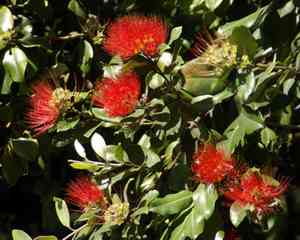
The Polynesian metrosideros thrives in full sun, requiring at least six hours of direct sunlight daily. It can endure partial sun, but its development may be less vigorous. Ample sunlight maximizes its growth potential and the vivid red hue of its blossoms.
Daily Sunlight Duration
For Polynesian metrosideros care, aim for a minimum of six hours of direct sunlight. More exposure is beneficial. Positioning it in a south-facing garden or balcony guarantees it receives the necessary illumination.
Sunlight's Impact on Polynesian Metrosideros Development
Photosynthesis and Energy Production
Sunlight is vital for photosynthesis, the process where plants convert light energy into chemical energy. For Polynesian metrosideros, sufficient sunlight ensures ample energy for growth, flowering, and overall health maintenance.
Influence on Leaf Color and Vitality
Appropriate sunlight not only fuels growth but also affects the visual appeal of Polynesian metrosideros. Insufficient light results in pale or yellowing leaves, while adequate light keeps foliage lush, green, and blooms vibrant.
Consequences of Insufficient Sunlight for Polynesian Metrosideros
Indicators of Low Light
When Polynesian metrosideros lacks adequate sunlight, it exhibits signs of stress such as elongated stems, sparse blooms, and yellowing leaves. The plant's overall robustness declines, increasing its susceptibility to diseases.
Corrective Measures
If these symptoms appear, consider moving the plant to a brighter location. If relocation isn't feasible, supplement natural light with grow lights, ensuring they provide a full spectrum akin to natural sunlight.
Consequences of Excessive Sunlight for Polynesian Metrosideros
Symptoms of Overexposure
Excessive sunlight can be equally detrimental. Polynesian metrosideros exposed to overly intense sun may develop scorched leaves, identified by brown, crispy edges or spots.
Protective Strategies
To shield your Polynesian metrosideros from overexposure, consider using shade cloths during peak sun hours, especially in very hot climates. Alternatively, planting it where it gets morning sun and afternoon shade can be advantageous.
Seasonal Light Requirements for Polynesian Metrosideros
Summer Light Needs
During summer, Polynesian metrosideros flourishes with abundant sunlight. However, in regions with extremely high temperatures, some protection from intense afternoon sun might be needed to prevent leaf scorching.
Winter Light Needs
In winter, sunlight is less intense and days are shorter. Ensure your Polynesian metrosideros receives maximum light by placing it in the sunniest available spot. In some cases, supplementary lighting may be required to offset reduced natural light.



