How to Transplant Alaska oniongrass?
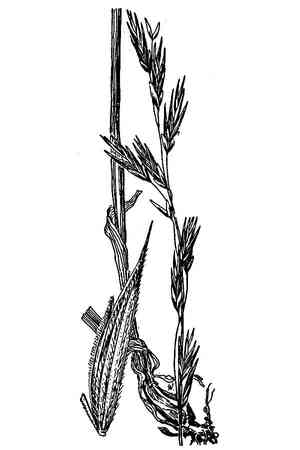
The ideal window for relocating alaska oniongrass spans from the beginning of early spring to the conclusion of late spring, as these intervals provide prime conditions for development. Select a location with good drainage and partial shade to facilitate its thriving integration.
What Preparations are Needed Before Transplanting Alaska Oniongrass?
What is the Ideal Time for Transplanting Alaska Oniongrass?
Move alaska oniongrass during early to late spring for best development. This period ensures the plant benefits from mild temperatures and sufficient rainfall, reducing shock and encouraging root establishment. Transplanting at this time allows alaska oniongrass to adapt before summer's heat, guaranteeing healthier progress.
How Much Space Should You Leave Between Alaska Oniongrass Plants?
When relocating alaska oniongrass, position plants 12-18 inches (30-45 cm) apart. This provides ample room for growth without competition for nutrients and water. It's a simple yet crucial step for ensuring robust development.
What is the Best Soil Mix for Alaska Oniongrass Transplanting?
Prepare soil that drains well and is rich in organic material for your alaska oniongrass. A good base mix includes compost or aged manure to supply essential nutrients. This type of soil will help your plant flourish and grow strong.
Where Should You Relocate Your Alaska Oniongrass?
Choose a site for moving your alaska oniongrass that gets partial to full sunlight. This plant thrives with at least 4-6 hours of sun daily. Ensuring adequate sunlight will support its growth and help it become a vibrant part of your garden.
What Equipments Should You Prepare Before Transplantation Alaska Oniongrass?
Gardening Gloves
To safeguard your hands while working with the soil and plant material.
Shovel or Spade
For excavating around the plant's root ball and creating a new planting hole.
Watering Can or Hose
To thoroughly hydrate both the original spot and the new planting location.
Trowel
To assist in moving smaller plants or young seedlings.
Wheelbarrow
For transporting the plant if it is large or heavy.
Pruning Shears
To trim any damaged or excessively long roots.
How Do You Remove Alaska Oniongrass from the Soil?
How Do You Remove Alaska Oniongrass from the Soil?
From Ground: First, water the alaska oniongrass plant to moisten the soil. Then, dig a wide trench around the plant using a shovel or spade, ensuring the plant's root ball remains intact. Carefully work the spade under the root ball to lift the plant from its original location.From Pot: Water the alaska oniongrass plant thoroughly the day before transplanting. Gently squeeze the sides of the pot to loosen the soil. Invert the pot while supporting the plant with your hand. Tap the bottom of the pot until the plant slides out with its root ball intact.From Seedling Tray: Water the seedlings generously. Use a trowel to carefully lift each seedling from the tray by digging beneath the roots. Be gentle to avoid damaging the delicate roots.
Step-by-Step Guide for Transplanting Alaska Oniongrass
Site Preparation
Prepare the new planting site by digging a hole that is twice as wide and equal in depth to the alaska oniongrass's root ball.
Plant Extraction
Carefully remove the alaska oniongrass from its original location as per the instructions in the removal process.
Hole Placement
Position the alaska oniongrass into the hole, ensuring that the root ball is level with or slightly above the surrounding soil.
Backfilling
Fill the hole with soil, gently firming it around the root ball to eliminate air pockets. Water the plant thoroughly after backfilling.
Mulching
Apply a layer of mulch around the base of the plant to retain moisture and suppress weeds.
How Do You Care For Alaska Oniongrass After Transplanting?
Watering
Keep the soil around the alaska oniongrass consistently moist, but not waterlogged, for the initial few weeks after transplanting to help establish strong roots.
Monitoring
Check the plant regularly for any indications of stress, such as wilting or yellowing leaves, and adjust care as necessary.
Protection
Consider using a temporary shade cloth or barrier to shield the alaska oniongrass from intense sunlight or strong winds until it becomes established.
Troubleshooting Common Issues with Alaska Oniongrass Transplantation.
When is the best time to transplant alaska oniongrass?
Relocate alaska oniongrass from early spring to late spring for optimal growth and establishment.
How do I prepare the soil for alaska oniongrass?
Ensure well-draining soil, enriched with compost, maintaining a pH level between 6.0-7.0.
What is the ideal spacing for transplanting alaska oniongrass?
Space each alaska oniongrass plant 12-18 inches (30-45 cm) apart to allow for healthy growth.
How deep should I plant alaska oniongrass?
Plant alaska oniongrass at the same depth it was in the nursery pot to avoid stress.
What should I avoid when transplanting alaska oniongrass?
Avoid transplanting during extreme weather conditions and handle roots gently to prevent damage.
How much water does alaska oniongrass need after transplanting?
Water alaska oniongrass thoroughly after transplanting, maintaining consistent moisture, but avoid waterlogging the soil.
How do I handle the roots of alaska oniongrass during transplanting?
Handle the roots gently, loosening them slightly if pot-bound, to encourage new growth.
What type of fertilizer is best for alaska oniongrass after transplanting?
Use a balanced, slow-release fertilizer to support the growth of alaska oniongrass after transplanting.
How do I protect alaska oniongrass from pests during the transplanting phase?
Monitor alaska oniongrass for pests and use natural deterrents or insecticidal soap if needed.
What signs indicate transplant shock in alaska oniongrass?
Wilting, yellowing leaves, or stunted growth can indicate transplant shock in alaska oniongrass.



