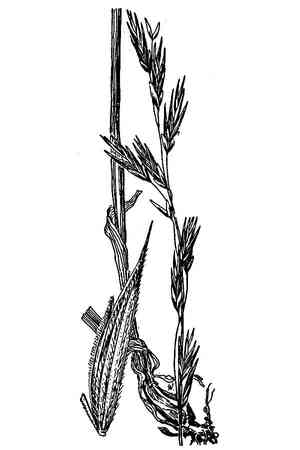
Alaska oniongrass (Melica subulata)
Also known as: Oniongrass
Melica subulata is a perennial grass known for its rhizomatous growth and clustered, onion-like corms at the base of its stems. It can reach up to approximately 1.3 meters in height. The plant features a narrow or spreading panicle with cylindrical, pointed spikelets that can be almost 3 centimeters long.
In This Article
Attributes of Alaska oniongrass
Lifespan
Perennial
Plant Type
Grass
Plant Height
60-90 cm (24-36 inches)
Spread
Approximately 30 cm (12 inches)
Leaf Color
Green
Flower Size
0.5-1 cm (0.2-0.4 inches)
Flower Color
Greenish to purplish
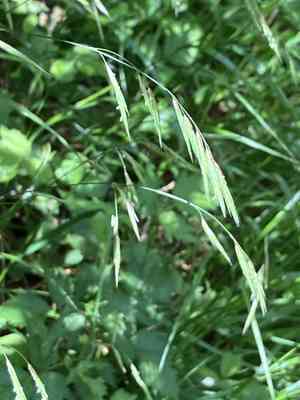
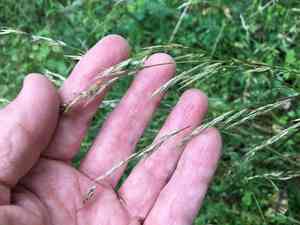
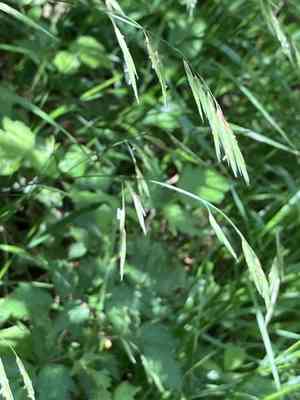
Images of Alaska oniongrass
Quickly Identify Alaska oniongrass
1
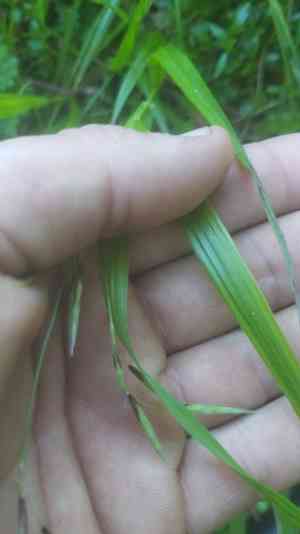
Melica subulata can be identified by its slender, arching grass blades and nodding flower spikes that appear in spring. The flower clusters have a distinctive bristly appearance.
Scientific Classification of Alaska oniongrass
Phylum
Vascular plants
Class
Monocotyledons
Order
Poales
Family
Grass
Genus
Melics
Species
Alaska oniongrass
Planting and Growing of Alaska oniongrass
Care Difficulty
Easy
Watering Schedule
Every 3 days
Sunlight Requirements
Partial sun
Sunshine Duration
4-6 hours
Ideal Temperature
60-75℉
Soil Type
Potting Mix, Peat Mix
Soil pH
6-7.5
Fertilizer Type
Balanced
Pruning Season
Spring, Summer
Pruning Area
Branches, Leaves
Pruning Frequency
2 times a year
Repotting Season
Spring
Pot Type
Plastic, Terracotta
 How to Water Alaska oniongrass?
Melica subulata prefers evenly moist soil, but it should never be left waterlogged. Provide 250 ml of water, ensuring that the top inch of soil is moist but not soggy. The key is to maintain consistent moisture without saturation.
What are the symptoms of an underwatered Alaska oniongrass?
›
What should I do if my Alaska oniongrass is not getting enough water?
›
What are the symptoms of an overwatered Alaska oniongrass?
›
How to save an overwatered Alaska oniongrass?
›
 What Are the Sunlight Requirements for Alaska oniongrass?
Partial sun is ideal for Melica subulata, providing adequate light without overexposure, which supports photosynthesis and helps maintain leaf coloration and growth vigor.
Question: What kind of sunlight is best for Melica subulata?
›
Question: How can I ensure Melica subulata receives its ideal lighting?
›
Question: What benefits does ideal lighting provide to Melica subulata?
›
 What Is the Ideal Temperature Range for Alaska oniongrass?
The ideal temperature range for Melica subulata is between 60°F and 75°F. This temperature range supports optimal growth, ensuring that the plant can successfully photosynthesize and absorb nutrients effectively. Maintaining this temperature range also helps prevent stress-related issues that can arise from temperature extremes.
 What Soil is Best for Alaska oniongrass?
Melica subulata thrives in well-drained soils, ensuring that the roots are not subjected to waterlogging which can lead to rot. This type of soil facilitates adequate aeration and moisture balance, crucial for the healthy growth of the plant. The plant favors soils with moderate fertility levels. Overly rich soils may stimulate excessive foliage growth at the expense of flowering. Providing balanced nutrients supports both vibrant leaf growth and flowering for an aesthetically pleasing garden. While well-draining, the soil should retain enough moisture to support the plant, particularly during dry spells. Adequate moisture helps in sustaining plant health and boosts resilience against environmental stress.
 How to Fertilize Alaska oniongrass?
For Melica subulata, it is important to avoid over-fertilizing as it is a native grass that thrives in less enriched soils. Apply a balanced liquid fertilizer diluted to half strength every two weeks during the growing season. For slow-release fertilizers, use a low-strength application, not exceeding one teaspoon per square foot once each of these times per year.
 How to Prune Alaska oniongrass?
Start by inspecting the plant and identifying any stems that appear dead, diseased, or damaged. These are the ones you should focus on cutting back to maintain the overall health of the plant. When making cuts, aim for a 45-degree angle just above the node (the point where leaves attach to the stem). This technique helps to prevent water from settling on the cut surface, reducing the risk of rot.
More About Pruning Techniques→
 How to Propagate Alaska oniongrass plant?
1
Begin by filling seed trays with a mix of soil and compost. Distribute seeds evenly over the soil surface, then cover lightly with additional soil. Water gently to settle the soil, and place trays in a warm, well-lit location to encourage germination.
2
Choose a healthy, mature plant for division. Carefully lift the plant from the soil, shaking off excess dirt to expose the roots. With a sharp knife or spade, divide the plant into smaller clumps, ensuring each has a healthy root system and shoot.
3
Replant the divided sections into prepared ground or pots. Ensure they are planted at the same depth as the original plant and water thoroughly to help settle them into their new environment. Space adequately to allow for growth.
 How to Repot Alaska oniongrass plant?
1
Melica subulata signals the need for repotting when its roots start circling the pot or protruding from drainage holes. Ideally, repot during early spring or late summer, ensuring minimal stress. If the plant outgrows its container rapidly or the soil quality deteriorates, these are indicators that repotting is due.
2
Select a pot that's 2-3 inches wider than the current one to give roots room to expand. Opt for pots with adequate drainage to prevent root rot; ceramic or terracotta materials are beneficial as they provide breathability and stability. This balance ensures healthy growth and minimizes water retention risks.
3
Choose a well-draining loamy soil mix that retains nutrients but not excess moisture. A soil blend with a bit of sand or perlite can help with aeration and drainage, fostering healthy root development. This will provide Melica subulata with the stability and nourishment it needs to thrive.



