How to Propagate Alaska oniongrass?
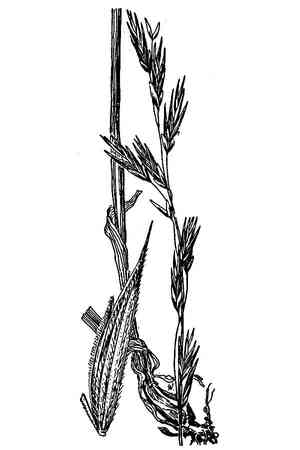
Alaska oniongrass flourishes when multiplied by dividing its root structure. For optimal development, carefully detach the root masses, making sure each segment retains a sufficient portion of roots. Immediately reintroduce them into a growing medium that drains effectively, ensuring proper spacing between divisions to accommodate future expansion. Initial consistent watering aids in the establishment of the new plants, alongside providing them with ample sunlight.
Optimal Period for Propagating Alaska Oniongrass
Propagation Method
Separation
Propagation Season
Spring,Autumn
Tools Utilized in Alaska Oniongrass Propagation
Garden Spade or Fork
These implements are vital for excavating and lifting alaska oniongrass from the earth. A sharp, robust spade or fork aids in gently separating the plant without harming its root system, which is crucial for successful division. The garden spade or fork should be of high quality to manage the delicate task of lifting clumps without root damage.
Root Pruning Shears
Root pruning shears are employed to precisely sever the root system of alaska oniongrass, ensuring a clean cut that encourages healthier regrowth. The sharp blades facilitate accurate cuts, which is essential to prevent damage to the plantâs root structure during the division process. This is particularly important for maintaining the viability of both the parent and the newly propagated plants.
Trowel
A trowel is used for refining planting holes and handling smaller alaska oniongrass divisions. It streamlines the transplantation process and ensures divisions are planted at the correct depth. The trowel should be compact and ergonomic to assist in carefully positioning the divisions in their new growing locations.
Watering Can with a Fine Rose
Post-propagation, alaska oniongrass requires gentle watering to aid establishment in its new spot. A watering can with a fine rose attachment provides a soft, diffused water flow that moistens the soil without disturbing newly planted divisions. Proper watering is critical for initial root development and overall plant health.
Gardening Gloves
When propagating alaska oniongrass by division, gardening gloves are important for protecting hands from sharp roots and potential soil irritants. Furthermore, gloves offer improved grip and control when handling delicate divisions and tools, enhancing the overall effectiveness and safety of the propagation process.
How to Propagate Alaska Oniongrass?
Propagation Type
Simple
Caring for Your Newly Propagated Alaska Oniongrass
Caring for Your Newly Propagated Alaska Oniongrass?
After propagation, keep the soil consistently moist until new plants are established. Apply mulch around plants to retain moisture and regulate temperature. Regularly check for pests and diseases, removing any found. Once established, alaska oniongrass needs minimal care, tolerating drought and poor soils, but thrives with occasional watering during extended dry periods. Trim dead foliage in early spring to promote new growth.
Common Errors to Avoid When Propagating Alaska Oniongrass
Excessive Watering
Overwatering can cause root rot in alaska oniongrass, as it prefers well-drained soil. Too much moisture in the soil can suffocate roots, hindering the plant's ability to absorb nutrients and eventually leading to its demise.
Deep Planting
Planting alaska oniongrass too deeply can impede its ability to sprout effectively. Seeds or bulbs buried too deep may struggle to break through the soil surface or may not germinate at all, reducing propagation success.
Ignoring Clump Division
Neglecting to divide alaska oniongrass clumps can lead to overcrowding and nutrient competition. Without regular division, alaska oniongrass may exhibit stunted growth and reduced vigor.
Poor Soil Preparation
Using unamended or compacted soil can hinder the root development of alaska oniongrass. Poor soil structure can restrict root growth, limiting the plantâs access to water and nutrients essential for its healthy development and propagation.
Tips For Propagating Alaska Oniongrass
Soil Aeration
Ensure the soil is loose and well-aerated before planting alaska oniongrass. This promotes better root penetration and water drainage, crucial for healthy root development.
Appropriate Depth
Plant alaska oniongrass seeds or bulbs at the recommended depth. This ensures adequate exposure to necessary environmental conditions for germination without the risk of the planting material being too deep to sprout.
Regular Divisions
Periodically divide alaska oniongrass clumps every few years to maintain plant health and vigor. This prevents overcrowding and promotes more robust growth, aiding in successful propagation.
Nutrient-Rich Soil
Incorporate organic matter into the planting soil. This improves soil fertility and structure, providing alaska oniongrass with necessary nutrients for growth and making it more conducive to successful propagation.



