How to Prune Alaska oniongrass?
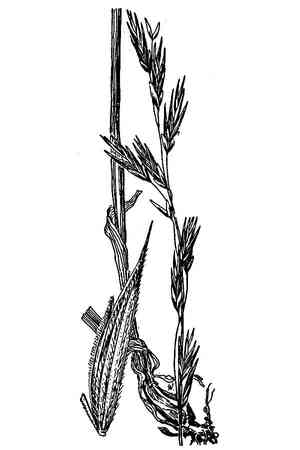
Alaska oniongrass, a unique grass recognized for its slender, blooming stems, flourishes with infrequent trimming. Remove deceased or discolored leaves in early spring or during winter to sustain its vitality and look. This schedule coincides with alaska oniongrass's inactive and pre-growth phases, boosting its well-being and averting excessive density. Consistent trimming encourages abundant, thick development and wards off ailments, which is crucial for peak plant durability and visual charm.
What Are the Benefits of Pruning Alaska Oniongrass?
What Are the Benefits of Pruning Alaska Oniongrass?
Trimming alaska oniongrass promotes robust development and maintains its desired form. Regular cutting prevents congestion and enhances air circulation, lowering disease risk while keeping the plant visually appealing and compact.
What Is the Best Time for Pruning Alaska Oniongrass?
What Is the Best Time for Pruning Alaska Oniongrass?
Pruning alaska oniongrass in early spring is optimal as it allows gardeners to remove any dead or damaged foliage from winter before new growth begins, fostering healthier and more vigorous development throughout the growing season. Pruning during winter, when alaska oniongrass is dormant, minimizes plant stress. This timing helps prevent disease spread and results in a stronger, more resilient plant capable of thriving in the upcoming season. Additionally, alaska oniongrass's dormant state in winter makes it easier to assess which parts require removal or reshaping.
What Tools Do I Need to Prune Alaska Oniongrass?
Hand Pruners
For precise cuts on thin alaska oniongrass stems and removing dead or unwanted blades, hand pruners offer accuracy and ease of use. Opt for bypass pruners over anvil types to ensure a clean, healthy cut that supports plant vitality.
Grass Shears
Perfect for shaping and trimming alaska oniongrass without harming the plant. Grass shears provide greater control and flexibility to selectively prune alaska oniongrass with minimal disruption to its natural growth habit.
Pruning Saw
Suitable for older, thicker alaska oniongrass clumps that require more substantial removal. A pruning saw aids in making clean cuts through denser plant material, ensuring rapid recovery and reducing stress on alaska oniongrass.
How to Prune Alaska Oniongrass
Identify
Locate and assess the damaged or diseased leaves on alaska oniongrass. Look for foliage that is discolored, withered, or shows signs of fungal infection or pest damage.
Sanitize
Before you begin pruning alaska oniongrass, disinfect your pruning tools. Use a solution of one part bleach to nine parts water to prevent pathogen transmission.
Cut
Carefully remove the diseased and withered leaves at their base. Use sharp, clean scissors or pruning shears to make a precise cut without tearing the plant's tissue.
Dispose
Properly discard the removed leaves by placing them in a garbage bag or burning them, to prevent any disease from spreading in the garden.
Monitor
After pruning, regularly observe alaska oniongrass for signs of new growth or further disease symptoms. Healthy, new leaves should start to appear, indicating successful pruning.
Common Pruning Mistakes with Alaska Oniongrass
Overpruning
A common mistake is removing too much foliage from alaska oniongrass, leading to weakened plants that struggle to photosynthesize effectively.
Incorrect cut placement
Cutting too close to the base of alaska oniongrass can harm the crown, while leaving too long a stub above the nodes can encourage disease.
Inadequate tool maintenance
Using dull or unclean pruning tools on alaska oniongrass can result in jagged cuts that heal poorly, increasing susceptibility to pests and diseases.
Common Pruning Tips for Alaska Oniongrass
Use sharp tools
Always use sharp, clean shears or scissors to make clean, smooth cuts on alaska oniongrass, ensuring quick healing and reduced plant stress.
Prune sparingly
Limit pruning to the removal of dead or damaged foliage to maintain plant health without stimulating excessive new growth that the plant cannot sustain.
Cut above a node
When cutting back entire stems, make your cuts just above a node where new growth can emerge on alaska oniongrass. This promotes a healthier growth pattern and prevents unnecessary harm to the plant structure.



