How to Transplant Twoflower melicgrass?
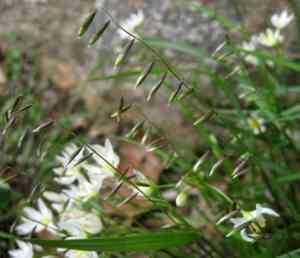
Twoflower melicgrass flourishes when relocated from the beginning to the end of spring, benefiting from the moderate temperatures and steady humidity. The perfect spot would be a somewhat shaded area with soil that drains effectively. To achieve optimal outcomes, exercise care to safeguard the root system's wholeness.
Essential Preparations Before Relocating Twoflower Melicgrass
Optimal Period for Relocating Twoflower Melicgrass?
Twoflower melicgrass, a perennial, should be moved from early to late spring, when the ground is unfrozen and temperatures are mild. This timing allows twoflower melicgrass to establish its root system prior to summer's heat, ensuring vigorous development and reducing transplant stress. Early-season planting also maximizes water availability, fostering healthier establishment and boosting the plant's resilience.
Recommended Spacing Between Twoflower Melicgrass Plants?
For best development, position twoflower melicgrass 12-18 inches (30-45 cm) apart. This spacing ensures each plant has sufficient room for root expansion and air circulation, which helps maintain healthy foliage.
Best Soil Mixture for Twoflower Melicgrass Relocation?
Prepare the soil for twoflower melicgrass by ensuring it drains well and is enriched with organic material. Incorporating compost or aged manure will supply necessary nutrients. Aim for a neutral to slightly acidic pH level for optimal outcomes.
Where Should You Replant Your Twoflower Melicgrass?
Select a sunny to partially shaded spot for planting twoflower melicgrass. This plant thrives in areas where it can receive 4-6 hours of light daily, ensuring proper growth and blooming.
Equipment Needed Before Moving Twoflower Melicgrass?
Gardening Gloves
To safeguard your hands while handling soil and the plant.
Trowel
For excavating small holes and working around the root system.
Shovel or Spade
To dig the new planting site and assist in removing the plant from its original spot.
Watering Can or Hose
To hydrate the plant before and after its relocation.
Garden Fork
To loosen the earth surrounding the plant.
Mulch
To aid in retaining soil moisture post-transplant.
Pruning Shears
To trim any damaged or excessive roots.
How to Extract Twoflower Melicgrass from the Ground?
How to Extract Twoflower Melicgrass from the Ground?
From Ground: First, moisten the twoflower melicgrass plant to dampen the soil. Then, excavate a wide trench around the plant using a shovel or spade, ensuring the plant's root ball remains intact. Carefully work the spade beneath the root ball to lift the plant from its original position.From Pot: Thoroughly water the twoflower melicgrass plant. Turn the pot sideways and gently tap it to loosen the soil from the edges. Carefully slide the plant out, supporting the root ball with your hand.From Seedling Tray: Water the seedling tray to ensure the soil is damp. Gently press the bottom of the cell to loosen the soil and carefully lift the seedling by its leaves or stem. Avoid pulling directly on the roots.
Detailed Steps for Relocating Twoflower Melicgrass
Location Selection
Choose a spot with adequate sunlight and room for your twoflower melicgrass plant to reach its full size.
Prepare the Hole
Use a shovel or spade to dig a hole that is twice as wide and equally deep as the root ball of the twoflower melicgrass plant.
Acclimate the Plant
Place the twoflower melicgrass plant in a shaded area for a few days before moving it to help it adjust to the new environment.
Position the Plant
Gently place the twoflower melicgrass plant into the hole, ensuring the top of the root ball is level with or slightly above the surrounding soil.
Fill and Firm the Soil
Backfill the hole with soil, gently firming it around the root ball to remove air pockets. Be careful not to over-compact the soil.
Water Thoroughly
Water the twoflower melicgrass plant thoroughly to help settle the soil around the roots and eliminate any remaining air pockets.
Apply Mulch
Spread a layer of mulch around the base of the twoflower melicgrass plant to help retain soil moisture and regulate soil temperature.
Post-Transplant Care for Twoflower Melicgrass
Watering
Keep the soil around the twoflower melicgrass consistently moist, but not waterlogged, for the initial weeks after transplanting to aid in establishing strong roots.
Mulching
Maintain a layer of mulch around the base of the twoflower melicgrass to help retain moisture and suppress weeds.
Monitoring
Regularly inspect the plant for any indications of stress, such as wilting or yellowing leaves, and adjust care as necessary.
Pests and Diseases
Watch out for any pests or diseases that might affect the twoflower melicgrass and take appropriate action if needed.
Addressing Common Issues with Twoflower Melicgrass Relocation.
When is the best time to relocate twoflower melicgrass?
Early to late spring is the ideal period for moving twoflower melicgrass to ensure healthy growth.
How far apart should I space twoflower melicgrass plants?
Space twoflower melicgrass plants 12-18 inches (30-45 cm) apart to allow for proper growth and air circulation.
What type of soil is best for twoflower melicgrass?
Twoflower melicgrass thrives in well-draining soil, enriched with organic matter for optimal growth and health.
How often should I water relocated twoflower melicgrass?
Water twoflower melicgrass regularly, keeping the soil consistently moist but not waterlogged, especially right after transplanting.
Should I fertilize twoflower melicgrass after transplanting?
Apply a balanced, slow-release fertilizer a few weeks after transplanting twoflower melicgrass to support new growth.
How do I prevent transplant shock in twoflower melicgrass?
Water thoroughly before and after transplanting twoflower melicgrass and avoid disturbing the roots excessively to minimize shock.
What is the ideal location to plant twoflower melicgrass?
Plant twoflower melicgrass in a location with partial to full sun for optimal growth and flowering.
How do I prepare twoflower melicgrass for transplanting?
Prepare twoflower melicgrass by watering the soil well and digging a hole twice as wide as the root ball.
Can twoflower melicgrass be grown in containers?
Yes, twoflower melicgrass can be grown in containers; just ensure the pot has good drainage and is suitably sized.
What should I do if twoflower melicgrass shows signs of wilting after transplanting?
Check soil moisture and ensure it's adequately watered. Provide shade if the weather is too hot.



