How to Prune Twoflower melicgrass?
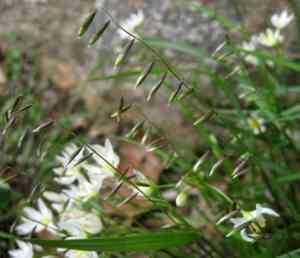
A prominent characteristic of twoflower melicgrass is its decorative leaves, rendering it beneficial in indigenous landscapes. Trimming ought to take place in early spring or late winter to eliminate aged growth and stimulate fresh sprouts. This practice fosters denser, more robust foliage and preserves a tidy look. For peak outcomes, concentrate trimming on lifeless or excessively long stems, verifying that implements are keen to prevent harm. Consistent trimming additionally enhances air circulation, diminishing the likelihood of fungal infections.
What Are the Benefits of Pruning Twoflower Melicgrass?
What Are the Benefits of Pruning Twoflower Melicgrass?
Trimming twoflower melicgrass encourages robust development and helps maintain its form, which is vital for peak health and visual appeal. Consistent cutting promotes denser leaves and contributes to a stronger structural shape.
What Is the Best Time for Pruning Twoflower Melicgrass?
What Is the Best Time for Pruning Twoflower Melicgrass?
Pruning twoflower melicgrass in early spring is optimal as it occurs just before new growth begins, enabling gardeners to shape the plant and remove any dead or damaged leaves without disrupting its natural growth cycle. This timing ensures the plant remains healthy and vigorous as it enters its active growth phase. Winter pruning is also advantageous since the plant is dormant then. Removing parts of twoflower melicgrass in winter helps prevent potential cold weather damage and prepares the plant for strong spring growth by directing its energy toward developing new, healthy shoots.
What Tools Do I Need to Prune Twoflower Melicgrass?
Hand Pruners
Perfect for precise cuts on twoflower melicgrass, allowing for targeted trimming of individual stems without harming the plant's overall structure.
Grass Shears
Suitable for shaping and refining the edges of twoflower melicgrass, especially useful if the plant forms a thick clump.
Garden Scissors
These are appropriate for deadheading and light trimming of twoflower melicgrass, enabling detailed management without excessive stress on the plant.
How to Prune Twoflower Melicgrass
Identify
Locate and examine the diseased and withered leaves on twoflower melicgrass. Look for any signs of discoloration, spots, or decay that distinguish unhealthy leaves from healthy growth.
Sanitation
Disinfect your pruning tools before and after trimming twoflower melicgrass. This prevents the spread of disease among plants. Use a bleach or alcohol solution to clean your shears or scissors.
Cut
Carefully remove the diseased and withered leaves from twoflower melicgrass. Make cuts close to the leaf's base where it connects to the stem or main shoot, ensuring not to harm nearby healthy leaves or buds.
Dispose
Properly discard the removed leaves. Do not compost diseased material as it can contaminate the compost pile. Bag and remove it from the area to prevent any reinfection or disease spread.
Monitor
Regularly observe twoflower melicgrass after pruning for any indications of further disease or stress. This aids in early detection and management of potential issues, promoting healthier growth.
Common Pruning Mistakes with Twoflower Melicgrass
Over-pruning
A frequent error is removing too much foliage from twoflower melicgrass, which can severely stress the plant. It's crucial to prune no more than one-third of the total foliage at any one time to maintain plant health and vitality.
Incorrect cuts
Making cuts too close to the node can damage the growing point of twoflower melicgrass, while leaving too long a stub can lead to pest infestations and disease. The cuts should be made just above the node or bud, allowing for healthy regrowth without damaging the plant.
Improper tools
Using dull or dirty pruning tools can lead to jagged cuts and introduce diseases to twoflower melicgrass. It's important to use sharp, clean shears to make clean cuts that heal quickly.
Common Pruning Tips for Twoflower Melicgrass
Selective pruning
Focus on removing dead, damaged, or diseased foliage from twoflower melicgrass first. This helps prevent the spread of disease and encourages healthier growth. Additionally, thin out dense areas to improve light penetration and air circulation within the plant.
Timing of cuts
Although specific seasonal timing is not discussed, ensure that pruning is done during appropriate periods of active growth to promote rapid healing and regeneration.
Rejuvenation techniques
For older specimens of twoflower melicgrass, rejuvenation pruning may be necessary. This involves cutting back the plant more extensively to encourage new growth and revitalize the plant. It's important to monitor the plant's response and adjust care accordingly.



