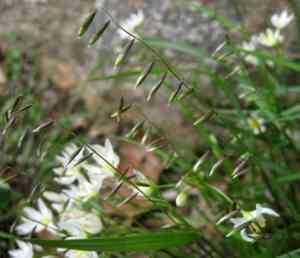
Twoflower melicgrass (Melica mutica)
Also known as: Two-flowered Melica, Two-flowered Melicgrass
The species is a perennial, clump-forming plant with extended rhizomes. Its culms reach lengths of 45 to 100 cm. The leaf-sheaths are tubular and slightly rough to the touch, and the membrane without cilia measures between 0.5 and 1 mm in length.
In This Article
Attributes of Twoflower melicgrass
Lifespan
Perennial
Plant Type
Grass
Plant Height
Up to 1 meter
Spread
Clumping growth habit, crown diameter unspecified
Leaf Color
Green
Flower Size
Small, specific diameter not typically noted
Flower Color
Green to purplish
Images of Twoflower melicgrass
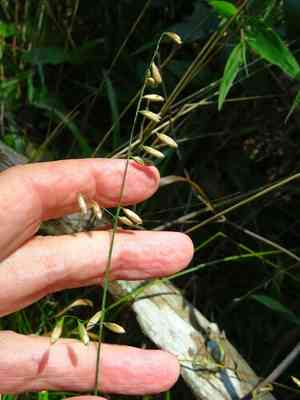
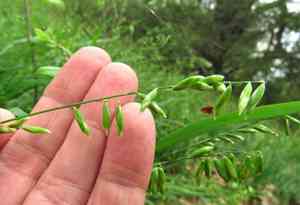
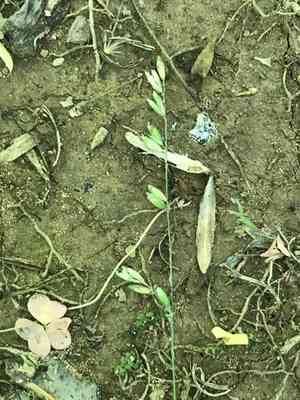
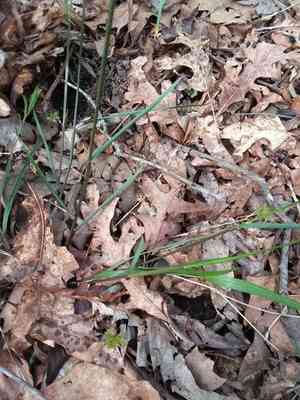
Quickly Identify Twoflower melicgrass
1
To identify Melica mutica, look for its unique spikelets, each of which typically has two flowers. The leaves are flat and can be somewhat rough to the touch. The plant often grows in clumps and can reach heights of up to 1 meter. The spikelets are typically green to purplish and arranged in a loose panicle.
Scientific Classification of Twoflower melicgrass
Phylum
Vascular plants
Class
Monocotyledons
Order
Poales
Family
Grass
Genus
Melics
Species
Twoflower melicgrass
Planting and Growing of Twoflower melicgrass
Care Difficulty
Easy
Watering Schedule
Every 2 days
Sunlight Requirements
Partial sun
Sunshine Duration
6-10 hours
Ideal Temperature
60-75℉
Soil Type
Potting Mix, Peat Mix
Soil pH
6.5-7.5
Fertilizer Type
Balanced
Pruning Season
Spring, Summer
Pruning Area
Branches, Leaves
Pruning Frequency
2 times a year
Repotting Season
Spring
Pot Type
Plastic, Terracotta
 How to Water Twoflower melicgrass?
For Melica mutica, it's important to provide 600 ml of water per session to ensure the soil is consistently moist yet not waterlogged. This plant appreciates even moisture, so aim to saturate the soil until water seeps out from the drainage holes. This ensures that the root system is adequately covered without over-saturating.
What are the symptoms of an underwatered Twoflower melicgrass?
›
What should I do if my Twoflower melicgrass is not getting enough water?
›
What are the symptoms of an overwatered Twoflower melicgrass?
›
How to save an overwatered Twoflower melicgrass?
›
 What Are the Sunlight Requirements for Twoflower melicgrass?
Melica mutica prospers in an environment where it receives partial sunlight throughout the day. This setup supports its physiological functions, promoting healthy photosynthesis, which enhances leaf coloration and encourages robust structural development. The right balance aids in sustaining its aesthetic appeal and biological resilience.
How much sunlight does Melica mutica need ideally?
›
What are the optimal settings for Melica mutica's growth?
›
Why is partial sun advantageous for Melica mutica?
›
 What Is the Ideal Temperature Range for Twoflower melicgrass?
The ideal temperature range for Melica mutica cultivation is between 60°F and 75°F. This temperature range allows for optimal growth and development, ensuring the plant receives adequate warmth for photosynthesis while not subjecting it to heat stress. Maintaining temperatures within this range can result in healthy foliage and robust growth.
 What Soil is Best for Twoflower melicgrass?
Melica mutica thrives in well-drained soil, which helps prevent waterlogging and root rot. This characteristic is crucial as it allows the roots to breathe and absorb essential nutrients, contributing to a healthier growth. This plant does well in soils with moderate fertility, avoiding nutrient burn that can happen in overly rich soils. Such conditions ensure balanced growth, promoting both stable height and foliage density. The soil should retain adequate moisture without becoming overly saturated. This balance helps Melica mutica to access water during dry periods, thus preventing stress and promoting steady growth.
 How to Fertilize Twoflower melicgrass?
For Melica mutica, the fertilizer amount should be modest to prevent nutrient overload. Use about 1/4 cup of balanced fertilizer per plant for slow-release granules annually, or dilute liquid fertilizer to half strength recommended and apply about 100 ml per application.
 How to Prune Twoflower melicgrass?
Begin pruning Melica mutica by removing dead or withered stems close to the base. Next, thin out dense sections to improve air circulation, cutting stems at the nodes. Aim for a natural shape and avoid over-pruning. Always leave some foliage to ensure continued photosynthesis and vigor. After pruning, make sure to gather all clippings and dispose of them appropriately. This helps in preventing pest infestations and maintains a clean environment around your Melica mutica. Compost healthy clippings, but discard any diseased material to prevent contamination.
More About Pruning Techniques→
 How to Propagate Twoflower melicgrass plant?
1
Start by preparing a well-draining seedbed or potting mix. Mix equal parts of peat, sand, and compost to ensure a nutrient-rich but light substrate. Level the surface to provide a uniform growing area for seeds.
2
Sow seeds evenly on the prepared seedbed, covering them lightly with a thin layer of soil. Ensure they are not buried too deep as this can hinder germination. Water gently to avoid displacing the seeds.
3
For dividing, carefully lift established clumps in the springtime. Split them into smaller sections, ensuring each division has a part of the root system. Replant the divisions at the same depth they were previously growing.
 How to Repot Twoflower melicgrass plant?
1
Melica mutica should be repotted when you notice roots growing out of the drainage holes or when the plant looks too crowded in its current pot. Also, if the growth rate slows down significantly, it might be time for fresh soil and more room.
2
When selecting a pot for Melica mutica, it's important to choose one that's only slightly larger than its current pot, with good drainage holes. This prevents overwatering and promotes healthy root growth by ensuring excess water can escape, reducing root rot risk.
3
Opt for well-draining loamy soil for Melica mutica, as it provides good aeration and retains necessary nutrients while avoiding waterlogging. Such soil promotes healthy root development and mimics the plant's natural environment to support optimal growth.
Learn More About Twoflower melicgrass Diseases
Anthracnose
Bacterial Leaf Spot
Bacterial Soft Rot
Bacterial Wilt
Black Spot
Chemical Injury
Cyst Nematode
Damping-off
Downy Mildew
Drought Stress
Fusarium Wilt
Gray Mold
Leaf Spot
Mosaic
Nutrient Deficiency
Nutrient Toxicity
Powdery Mildew
Root Rot
Root-knot Nematode
Rusts
Sooty Mold
Spider Mites
Temperature Stress
Thrips Damage
White Mold



