How to Propagate Twoflower melicgrass?
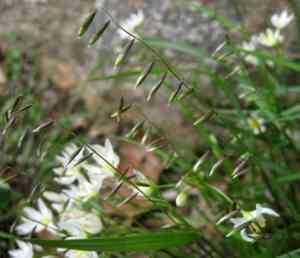
Twoflower melicgrass mainly reproduces via division, a convenient and efficient technique specifically designed for this particular grass. Propagating by dividing established clusters guarantees robust root structures and plant vitality. This strategy is ideal for cultivators aiming to enlarge their grass sections or populate garden spaces. To achieve optimal outcomes, manage the root masses gently to preserve their structure during relocation. This method conforms to botanical guidelines for grass-type flora, affirming the technique's efficacy and simplicity for inexperienced gardeners.
When Is the Optimal Time to Propagate Twoflower Melicgrass?
Propagation Method
Division
Propagation Period
Spring,Autumn
What Tools Are Utilized for Twoflower Melicgrass Propagation?
Garden Trowel
A garden trowel is vital for excavating and extracting twoflower melicgrass from the earth during the division process. Its pointed edge is particularly effective for penetrating dense soil without harming the root system of twoflower melicgrass. The ergonomic grip offers comfort and enhanced control, essential for minimizing damage to the plant's delicate roots.
Pruning Shears
Sharp pruning shears are necessary to cleanly sever the root mass of twoflower melicgrass during division. This ensures a precise cut that encourages faster healing and lowers the risk of disease. Opt for shears with stainless steel blades for durability and rust resistance.
Garden Knife
A robust garden knife assists in cutting through denser clumps when dividing twoflower melicgrass. Its versatility makes it suitable for intricate tasks, such as gently separating smaller root sections without causing undue stress to the plant.
Watering Can with a Fine Rose
Following the division and replanting of twoflower melicgrass, gentle and uniform water distribution is crucial for helping newly planted divisions establish. A watering can equipped with a fine rose attachment ensures soft watering that will not disturb the soil or recently planted segments.
Rooting Hormone (optional)
Applying a rooting hormone to the severed root sections can enhance root development and improve the overall success rate of propagation. While not mandatory, it is especially beneficial for promoting vigorous root growth in twoflower melicgrass.
Garden Fork
A garden fork is useful for initially loosening the soil around twoflower melicgrass before lifting it for division. This tool prevents excessive disturbance of the surrounding soil and keeps the root system largely intact, which is critical for the plant's health during the propagation process.
How to Propagate Twoflower Melicgrass?
Propagation Difficulty
Easy
How to Nurture Your Newly Propagated Twoflower Melicgrass?
How to Nurture Your Newly Propagated Twoflower Melicgrass?
Post-propagation, it is vital to maintain consistent moisture for the newly planted divisions of twoflower melicgrass, especially during their initial growing season to ensure proper establishment. Avoid overhead irrigation to reduce the risk of leaf diseases. A layer of mulch around the base can help retain soil moisture and suppress weeds. Monitor the plants for pests and diseases and treat them as needed. Once established, twoflower melicgrass is relatively low maintenance, requiring only occasional trimming to keep it neat and healthy.
Common Errors to Avoid When Propagating Twoflower Melicgrass
Excessive Watering
While twoflower melicgrass needs moist conditions, too much water can lead to root rot and fungal infections. Overwatering can harm the roots, diminishing the plant's capacity to absorb essential nutrients for growth and propagation.
Inadequate Soil Choices
Using heavy or poorly draining soil can negatively impact the rooting of twoflower melicgrass. Such soils do not provide the aeration and drainage twoflower melicgrass requires, potentially leading to root suffocation and reduced propagation success.
Planting Depth
Placing twoflower melicgrass seeds or divisions too deep in the soil hinders their ability to sprout or root effectively. This error can decrease germination rates and adversely affect the establishment of new plants.
Tips For Propagating Twoflower Melicgrass
Soil Preparation
Prepare a light, well-draining soil mix rich in organic matter to encourage healthy root growth and efficient water drainage. The correct soil conditions support robust development, which is fundamental for successful propagation of twoflower melicgrass.
Moisture Management
Maintain consistent moisture but avoid waterlogging. The delicate balance of moist conditions without over-saturation will encourage healthy root development and prevent root diseases, crucial for the multiplication of twoflower melicgrass.
Shallow Planting
When propagating twoflower melicgrass by seeds or division, ensure they are planted shallowly. This exposure aids in better sprout emergence and root establishment, directly influencing propagation success.



