How to Transplant Brazilian red-cloak?
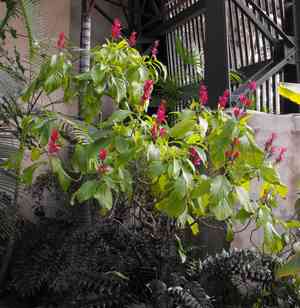
The peak of summer, with its luminous, sun-drenched days, presents the ideal period for relocating brazilian red-cloak, as elevated soil temperatures facilitate root integration. Select a spot featuring adequately draining earth and dappled light to safeguard brazilian red-cloak from harsh illumination. A helpful tip: confirm the new area is prepared to accommodate brazilian red-cloak, providing sufficient room for its development.
What Preparations are Needed Before Transplanting Brazilian Red-cloak?
What is the Ideal Time for Transplanting Brazilian Red-cloak?
The optimal period for relocating brazilian red-cloak is during its most active growth phase, providing the best conditions for root development and establishment. Moving it during this vigorous period allows brazilian red-cloak to adapt quickly, reducing transplant shock and encouraging robust growth. A helpful hint: choose the height of the growing season for your brazilian red-cloak to ensure its prosperity!
How Much Space Should You Leave Between Brazilian Red-cloak Plants?
When moving your brazilian red-cloak, ensure adequate spacing. Ideally, each plant needs about 4-6 feet (1.2-1.8 meters) of clearance in all directions. This provides ample room for your plants to expand!
What is the Best Soil Mix for Brazilian Red-cloak Transplanting?
Let's get the soil ready for your brazilian red-cloak! These plants prefer rich, well-draining soil. Incorporate compost or organic material into your soil before transplanting. A phosphorus-rich base fertilizer will also aid root development.
Where Should You Relocate Your Brazilian Red-cloak?
For brazilian red-cloak to thrive, select a spot that receives full to partial sunlight. While they can endure some shade, excessive shade might impede their growth. Morning sun with afternoon shade would be perfect.
What Equipments Should You Prepare Before Transplantation Brazilian Red-cloak?
Gardening Gloves
Your hands might get soiled when working with earth, and gloves keep them clean and protected.
Shovel or Garden Spade
Necessary for excavating a hole in the ground and removing soil around the brazilian red-cloak's root ball.
Watering Can
To hydrate the brazilian red-cloak plant both before and after relocation.
Gardening Trowel
Useful for leveling the soil within and around the new planting site.
Wheelbarrow or Plastic Container
For safely moving the brazilian red-cloak from its original spot to the new location.
How Do You Remove Brazilian Red-cloak from the Soil?
How Do You Remove Brazilian Red-cloak from the Soil?
From Ground: First, water the brazilian red-cloak plant to moisten the soil. This will facilitate digging around the plant. Then, using a shovel or garden spade, dig a wide trench around the plant, keeping the root ball intact. Carefully work the spade beneath the root ball to easily lift the plant from its initial position.From Pot: Begin by adding some water to the pot to ensure the soil around the brazilian red-cloak plant is not too dry. Turn the pot sideways with your hand covering the soil, the stem passing between your fingers. The plant should slide out when you tap the pot's bottom. Be careful not to harm the root ball during this process.From Seedling Tray: Lightly water the tray to keep the soil and young plants damp. Using a gardening trowel, gently scoop out the brazilian red-cloak seedling without damaging its roots. Hold the brazilian red-cloak seedling by its leaves to minimize the risk of root injury.
Step-by-Step Guide for Transplanting Brazilian Red-cloak
Removing the brazilian red-cloak Plant
Follow the aforementioned steps to safely extract the plant from its initial spot.
Prepare the New Site
The hole should be sufficiently deep and wide to comfortably accommodate the brazilian red-cloak's root ball. The top of the root ball should be flush with the ground surface.
Placing the brazilian red-cloak Plant
Carefully position the plant inside the hole. Ensure the plant stands upright and its roots are evenly spread within the hole.
Fill in Soil
Gradually backfill the hole with soil. Press down gently to ensure the plant is stable and erect.
Watering
Water the brazilian red-cloak plant generously, but ensure water does not accumulate on the surface, which could indicate overwatering.
How Do You Care For Brazilian Red-cloak After Transplanting?
Watering
Appropriate watering is crucial post-transplantation. The soil surrounding the brazilian red-cloak should remain consistently moist (but not waterlogged) for several weeks after relocation. Excessive watering could suffocate the roots.
Pruning
It is advisable to prune the brazilian red-cloak after transplanting, not before. This helps the plant direct its energy towards root development.
Monitoring
Keep a close watch on your brazilian red-cloak plant for any signs of stress such as wilting, yellowing leaves, or stunted growth. These could signal that the plant is struggling to adapt to its new environment and may require additional attention.
Patience
Remember that transplanting can be a shock for the brazilian red-cloak plant. It might take a few weeks for the plant to resume its normal growth patterns.
Troubleshooting Common Issues with Brazilian Red-cloak Transplantation.
What is the ideal time of the year to transplant brazilian red-cloak?
The best period to move brazilian red-cloak is from late summer to early autumn (S4-S6). This allows the plant ample time to establish its roots before winter.
How far apart should brazilian red-cloak plants be transplanted?
Ensure to transplant brazilian red-cloak approximately 4 to 6 feet (1.2-1.8 meters) apart. This adequate spacing provides each plant room to grow and thrive.
What potting mix is optimal for brazilian red-cloak while transplanting?
Brazilian red-cloak flourishes in a well-draining potting mix. A blend of garden soil, coarse sand, and compost is ideal. Keep it rich in nutrients and slightly acidic.
At what depth should I plant brazilian red-cloak while transplanting?
Ensure the transplant hole is only as deep as the root ball of brazilian red-cloak. Planting the specimen at the correct height aids in more efficient establishment.
Is watering immediately after transplanting brazilian red-cloak necessary?
Yes, it's vital! Water brazilian red-cloak thoroughly right after transplanting to settle the soil around the roots and help the plant begin to establish in its new location.
After transplanting, how do I continue caring for brazilian red-cloak?
Water brazilian red-cloak well, especially during the initial weeks. Afterward, maintain a consistent watering schedule, and remember to nourish it with a balanced fertilizer.
What if brazilian red-cloak appears wilted after transplanting?
Don't worry! Temporary wilting after transplanting is common. Continue with routine care. If wilting persists, check for issues with watering, light, or soil conditions.
What should I do if I see yellowing leaves on my transplanted brazilian red-cloak?
Yellow leaves might indicate overwatering. Adjust your watering habits. If the issue continues, inspect for pests or diseases and treat them accordingly.
Why is my transplanted brazilian red-cloak not growing as expected?
Factors such as insufficient light, poor soil quality, or improper watering can impede growth. Adjust these conditions and give brazilian red-cloak some time; it should recover!
Is there a need to prune brazilian red-cloak after transplanting?
It's beneficial but not compulsory. Pruning helps brazilian red-cloak prioritize root development over foliage production. Just ensure not to remove more than one-third of the plant.



