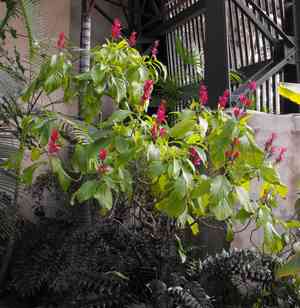
Brazilian red-cloak (Megaskepasma erythrochlamys)
Also known as: Brazilian plume
The Brazilian red-cloak plant, native to South America, is a fast-growing shrub that brings a tropical vibe to gardens. Its scientific name, *Megaskepasma erythrochlamys*, derives from Greek: "Megaskepasma" translates to "large covering," highlighting its prominent red bracts, and "erythrochlamys" means "cloaked in red," referring to the small white flowers nestled within these bracts. This plant is widely admired for its striking appearance.
In This Article
Attributes of Brazilian red-cloak
Lifespan
Perennial
Plant Type
Shrub
Plant Height
3 m
Spread
1.8 m to 2.5 m
Leaf Color
Green
Flower Size
2.5 cm
Flower Color
Red White
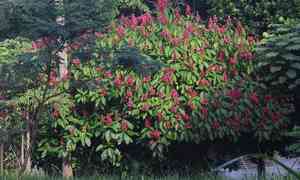
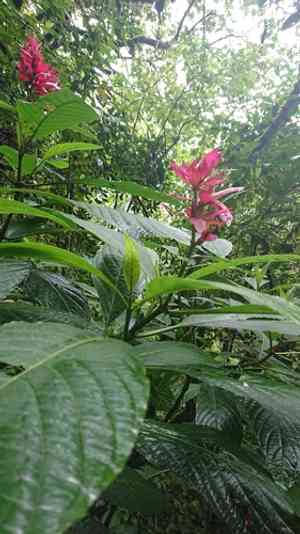
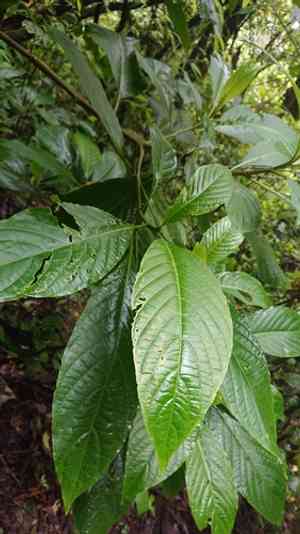
Images of Brazilian red-cloak
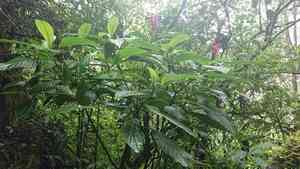
Quickly Identify Brazilian red-cloak
1
Identify Megaskepasma erythrochlamys by its large, bright red bracts that cover small, white flowers. The plant has large, dark green leaves with a prominent vein pattern and can grow quite tall under suitable conditions.
Scientific Classification of Brazilian red-cloak
Phylum
Vascular plants
Class
Dicotyledons
Order
Lamiales
Family
Acanthus
Genus
Brazilian red-cloak
Species
Brazilian red-cloak
Planting and Growing of Brazilian red-cloak
Care Difficulty
Easy
Watering Schedule
Every 4 days
Sunlight Requirements
Partial sun
Sunshine Duration
4-8 hours
Ideal Temperature
65-85℉
Soil Type
Potting Mix, Peat Mix
Soil pH
6.5-7.5
Fertilizer Type
Balanced
Pruning Season
Spring, Summer
Pruning Area
Branches, Leaves
Pruning Frequency
2 times a year
Repotting Season
Spring
Pot Type
Plastic, Ceramic
 How to Water Brazilian red-cloak?
Megaskepasma erythrochlamys, commonly known as Brazilian Red Cloak, prefers to be watered deeply. This means the soil should be saturated thoroughly, allowing the water to penetrate down to the roots, ensuring that all parts of the root system receive hydration.
What are the symptoms of an underwatered Brazilian red-cloak?
›
What should I do if my Brazilian red-cloak is not getting enough water?
›
What are the symptoms of an overwatered Brazilian red-cloak?
›
How to save an overwatered Brazilian red-cloak?
›
 What Are the Sunlight Requirements for Brazilian red-cloak?
Partial sun to full sun exposure is ideal for Megaskepasma erythrochlamys, promoting vibrant growth and flowering. Adequate light nurtures healthier foliage, encourages blooms, and fosters a more robust, disease-resistant plant.
More About Sunlight Requirements Techniques→
What kind of light does it need?
›
How to achieve the perfect lighting?
›
Benefits of getting ideal light?
›
 What Is the Ideal Temperature Range for Brazilian red-cloak?
For optimal growth, Megaskepasma erythrochlamys thrives best within a temperature range of 65°F to 85°F. This range is crucial as it mimics the plant's natural habitat, ensuring robust growth and vibrant foliage. Maintaining consistent temperatures within this ideal range can significantly enhance the health and overall appearance of the plant.
 What Soil is Best for Brazilian red-cloak?
Megaskepasma erythrochlamys thrives in nutrient-rich soil, which supports robust growth and vibrant foliage. This soil type provides essential minerals that fuel the plant's growth cycles, making it a standout in any garden. The plant requires well-draining soil to prevent root rot, a common issue in overly moist environments. Ensuring drainage aids in maintaining an optimal moisture balance crucial for its health. While drainage is important, the soil should also retain some moisture to support the plant's water needs. This balance helps maintain the plant's lush appearance, especially during dry spells.
 How to Fertilize Brazilian red-cloak?
For Megaskepasma erythrochlamys, the recommended fertilizer amount is gentle but sufficient. Use about half the recommended strength for liquid fertilizers to avoid root burn. For slow-release granules, scatter them evenly across the soil, using approximately 1 tablespoon per square foot.
 How to Prune Brazilian red-cloak?
Begin by observing the plant's overall shape and identifying any overgrown or leggy branches. Decide if you want to maintain, reduce, or encourage a specific form and size for the plant. Start by removing any dead, diseased, or damaged branches. These can be cut back to the base or to a healthy part of the branch. This step clears the way for healthier growth and prevents the spread of disease. To promote bushier and denser growth, cut branches back to a node where two leaves emerge. This encourages branching and a fuller appearance, giving the Crimson Glory a lush and vibrant look. Carefully trim the plant to the desired shape, avoiding over-pruning. Shape in a way that enhances its natural form while ensuring adequate sunlight reaches all parts of the plant.
More About Pruning Techniques→
 How to Propagate Brazilian red-cloak plant?
1
Choose a strong and healthy mother plant from which to take cuttings, as this ensures that the new plant will have good vigor and growth potential.
2
Prepare 4-6 inch cuttings from the parent plant, ensuring each cutting has at least one node. Remove lower leaves to reduce moisture loss.
3
Dip the cut end of the cutting into rooting hormone and plant it in a well-draining potting mix. Ensure that at least one node is below the soil surface.
 How to Repot Brazilian red-cloak plant?
1
Knowing when Megaskepasma erythrochlamys needs repotting is key. Look for signs like roots circling the pot's base, slower growth, or water not draining effectively. These signals mean it's time to give your plant a more spacious home.
2
Select a pot that's 2 inches larger in diameter than the current one. Ensure it has good drainage to prevent root rot. A slightly bigger pot allows the roots to expand healthily, supporting better growth in your Megaskepasma erythrochlamys.
3
Choose a well-draining, acidic soil mix. This ensures excess water doesn't stagnate, while the acidity matches the plant's natural preferences, promoting vibrant growth and resistance to pests and diseases.
Learn More About Brazilian red-cloak Diseases
Anthracnose
Bacterial Leaf Spot
Bacterial Wilt
Black Spot
Chemical Injury
Crown Gall
Damping-off
Downy Mildew
Drought Stress
Fusarium Wilt
Gray Mold
Leaf Curl
Leaf Spot
Mosaic
Nutrient Deficiency
Nutrient Toxicity
Powdery Mildew
Root Rot
Root-knot Nematode
Rusts
Sooty Mold
Spider Mites
Temperature Stress
Thrips Damage
White Mold



