How to Prune Brazilian red-cloak?
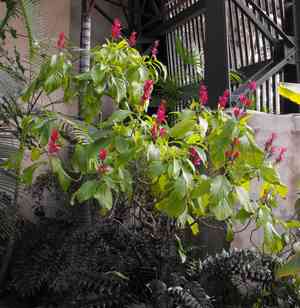
A prominent decorative shrub recognized for its vibrant crimson flower clusters, brazilian red-cloak flourishes with consistent trimming to preserve its form and stimulate denser development. Essential methods involve eliminating spent flower stalks to encourage fresh blossoms and shortening elongated branches to the preferred size. The most suitable periods for pruning are early spring or winter, to ready brazilian red-cloak for the active growth phase or to excise foliage damaged by frost. Pruning not only boosts visual appeal but also supports the plant's well-being by enhancing air movement.
What Are the Benefits of Pruning Brazilian Red-cloak?
What Are the Benefits of Pruning Brazilian Red-cloak?
Trimming brazilian red-cloak promotes abundant flowering and vigorous development. By eliminating lifeless or infected branches, it also strengthens brazilian red-cloak against pests and illnesses, preserving its vitality and visual appeal.
What Is the Best Time for Pruning Brazilian Red-cloak?
What Is the Best Time for Pruning Brazilian Red-cloak?
Pruning brazilian red-cloak in early spring and winter is ideal due to its dormant state in colder temperatures, which minimizes stress and stimulates strong growth when warmer weather arrives. Early spring trimming helps shape the plant, removes any frost damage, and encourages new growth that can lead to improved flowering during the growing season. Winter pruning aids in removing dead or diseased wood and allows the gardener to easily observe the plant's structure, enabling strategic cuts that maintain its health and aesthetic form without affecting the upcoming bloom cycle.
What Tools Do I Need to Prune Brazilian Red-cloak?
Hand pruners
Given the typical stem thickness of brazilian red-cloak, a sharp pair of hand pruners or secateurs is crucial for making clean cuts on stems and small branches up to 3/4 inch in diameter.
Lopping shears
For larger branches up to 1 1/2 inches thick, which brazilian red-cloak might occasionally produce, lopping shears will provide the necessary leverage and cutting power for efficient pruning.
Pruning saw
If brazilian red-cloak has developed any branches thicker than what lopping shears can handle, a pruning saw with fine teeth is recommended for thicker branches without harming the plant.
Gloves
High-quality gardening gloves should be worn to protect hands from brazilian red-cloak's stems and foliage, which may have sharp edges or cause skin irritation.
Cleaning solution
To prevent disease transmission, it is vital to use a cleaning solution to sanitize cutting tools before and after pruning brazilian red-cloak.
How to Prune Brazilian Red-cloak
Clean Tools
Before beginning, sterilize all pruning tools with rubbing alcohol or a bleach solution to prevent the spread of disease to brazilian red-cloak.
Remove Damaged
Carefully cut away any diseased or dead branches from brazilian red-cloak using sharp, clean pruners to avoid tearing. Make cuts at a 45-degree angle just above a node or bud to encourage healthy new growth.
Trim Withered
For withered leaves and flowers on brazilian red-cloak, use pruning shears to snip them off near the base without harming healthy adjacent foliage or buds, allowing for better air circulation and light penetration.
Control Growth
Address excessive growth by selectively thinning out branches that are overcrowding or crossing over others in brazilian red-cloak, to maintain an open, effective structure for light and air movement.
Cleanup
After pruning brazilian red-cloak, remove all trimmings from the area to reduce the chance of disease and pest infestation. Dispose of diseased material separately to avoid contamination.
Common Pruning Mistakes with Brazilian Red-cloak
Over-Pruning
Removing too much foliage from brazilian red-cloak at once can stress the plant, potentially stunting its growth or leading to a weak structure.
Improper Cutting
Making cuts too close to the main stems or too far from the buds can cause damage to brazilian red-cloak, affecting its natural shape and healing ability.
Using Dull Tools
Dull pruning tools can lead to jagged cuts that are more susceptible to pests and diseases, which can harm brazilian red-cloak.
Ignoring Diseased Areas
Failure to remove diseased or damaged parts of brazilian red-cloak can allow the issue to spread, negatively impacting the plant's health.
Neglecting Sanitation
Not sanitizing pruning tools before and after use on brazilian red-cloak can spread disease between plants.
Disregarding Plant Structure
Lack of understanding of brazilian red-cloak's growth pattern may lead to improper pruning, affecting its overall aesthetics and bloom production.
Common Pruning Tips for Brazilian Red-cloak
Selective Pruning
Focus on selectively removing dead or weak stems to preserve brazilian red-cloak's natural shape and encourage robust growth.
Cutting Angle
Make cuts at a 45-degree angle just above a leaf node or bud to promote proper healing and new growth in brazilian red-cloak.
Tool Maintenance
Use sharp, clean pruning shears or scissors to make clean cuts that will heal more quickly and easily on brazilian red-cloak.
Disease Management
Promptly remove any dead, diseased, or damaged branches from brazilian red-cloak to maintain plant health and prevent the spread of disease.
Cleanliness Protocol
Sanitize tools between cuts, especially when moving between plants or cutting through diseased areas of brazilian red-cloak, to prevent contamination.
Rejuvenation Pruning
Periodically practice rejuvenation pruning by thinning out older stems to encourage new growth and better air circulation for brazilian red-cloak.



