How Much Sunlight Do Brazilian red-cloak Need?
1
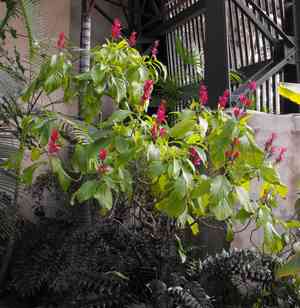
Brazilian red-cloak flourishes with over six hours of daily sun exposure.
2
For insufficient natural light, think about using grow lights to encourage better development.
3
Excessive direct sun can burn leaves; some shade might be needed during the hottest part of summer.
Optimal Light Conditions for Brazilian red-cloak
Ideal Light Intensity
Brazilian red-cloak plants thrive in full sun, meaning over six hours of direct sunlight daily. These tropical natives are well-adapted to bright light, exhibiting vigorous growth and vibrant leaves under such conditions. However, balance is key; excessive intense light, particularly during hot afternoons, can harm the plant. Incorporating some midday partial shade can protect foliage from potential scorching.
Best Time for Sun Exposure
Selecting the appropriate time for sun exposure is vital for maintaining a healthy Brazilian red-cloak. Morning sunlight is especially beneficial as it's less intense yet provides necessary light. Positioning your plant to absorb early rays can prevent issues associated with harsh midday sun, ensuring ample light while minimizing overheating and leaf damage.
Adapting Indoor Lighting for Brazilian red-cloak
Assessing Indoor Natural Light
Indoor cultivation often demands closer inspection to ensure your Brazilian red-cloak receives adequate light. Begin by identifying the brightest natural spots in your home, typically near south or west-facing windows in the Northern Hemisphere. These areas are more likely to provide the daily light quota essential for the plant's health. Use a light meter or observe the plant's response to different locations; vibrant, healthy foliage usually indicates sufficient light.
Effective Use of Grow Lights
Where natural light is insufficient, grow lights can be transformative. LED grow lights are an excellent choice due to their energy efficiency and light quality. Position them approximately 6-12 inches (15-30 cm) above the plant, operating for 12-16 hours daily to mimic natural photoperiods. Adjust distance and duration based on plant health and growth, ensuring they are neither too close to cause burns nor too far to be ineffective.
Common Light-Related Issues and Solutions for Brazilian red-cloak
Signs of Excessive Sunlight
Too much sunlight can manifest as yellowing or browning leaves, leaf drop, or scorched patches on foliage. If these symptoms appear, it's crucial to relocate your Brazilian red-cloak away from direct sun, especially during peak intensity, and provide more partial shade to prevent further harm.
Signs of Insufficient Sunlight
Conversely, inadequate sunlight often results in leggy (long and thin) growth, smaller leaves, and a general dullness in the plant's color. If your Brazilian red-cloak shows these signs, it clearly needs more light. Gradually move the plant to a brighter location to help it regain its vibrant and healthy state.
Adjusting Light Exposure
Balancing light exposure involves some experimentation. Start by placing the plant in a moderately lit spot, observing its growth and foliage condition for a few weeks. Incrementally adjust its position, aiming for an optimal location where it exhibits robust growth and rich color. During these adjustments, always consider seasonal changes in sunlight intensity through windows or outdoor areas.
Seasonal Light Requirements for Brazilian red-cloak
Summer Light Needs
In summer, the Brazilian red-cloak may require protection from intense afternoon sun, particularly in very hot climates. Early morning and late afternoon sunlight can suffice, preventing leaf scorching while maintaining adequate light levels. Consider using light-diffusing curtains or moving the pot to a partially shaded spot during the hottest part of the day.
Winter Light Needs
Winter presents distinct challenges, mainly due to shorter days and reduced light intensity. Your Brazilian red-cloak will benefit from placement near bright windows, ensuring it absorbs maximum natural light. If natural light is severely lacking, supplemental grow lights can help the plant thrive, providing necessary illumination to compensate for shorter daylight hours.



