How to Transplant San pedro false prairie-clover?
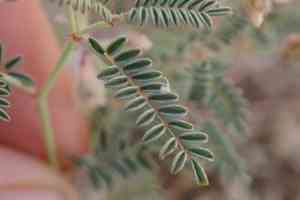
San pedro false prairie-clover flourishes when relocated in the revitalizing period of early to mid-spring, benefiting from ideal growing circumstances. Select a sunny location with good drainage for its new site. Provide steady hydration after transplanting to foster robust root development.
What Preparations are Needed Before Transplanting San Pedro False Prairie-clover?
What is the Ideal Time for Transplanting San Pedro False Prairie-clover?
San pedro false prairie-clover, a perennial, flourishes when moved from early to late spring. This period offers mild temperatures and increased rainfall, aiding root establishment and development. Relocating san pedro false prairie-clover at this time ensures robust roots before summer heat and promotes its long-term health and vitality.
How Much Space Should You Leave Between San Pedro False Prairie-clover Plants?
When relocating san pedro false prairie-clover, ensure a spacing of 36-48 inches (91-122 cm) between them. This provides ample room for each plant to grow and thrive without competing for nutrients.
What is the Best Soil Mix for San Pedro False Prairie-clover Transplanting?
Prepare well-draining soil for san pedro false prairie-clover with a slightly sandy texture. Incorporate a balanced base fertilizer to enrich the soil, ensuring it has sufficient nutrients for optimal growth.
Where Should You Relocate Your San Pedro False Prairie-clover?
Choose a spot that receives full sun for at least 6-8 hours daily. San pedro false prairie-clover loves bright, direct sunlight to thrive and display its best characteristics.
What Equipments Should You Prepare Before Transplantation San Pedro False Prairie-clover?
Gardening Gloves
To protect your hands while handling soil and plants.
Shovel or Spade
Essential for digging in the garden and extracting the plant from its original spot.
Trowel
For more precise digging and managing the plant's root system.
Watering Can or Hose
To hydrate the plant before and after its relocation.
Wheelbarrow or Cart
To move the plant from its initial location to the new site.
Mulch
To help retain moisture around the newly relocated san pedro false prairie-clover.
Plastic Sheet or Burlap
To wrap the root ball if necessary during transit.
How Do You Remove San Pedro False Prairie-clover from the Soil?
How Do You Remove San Pedro False Prairie-clover from the Soil?
From Ground: First, water the san pedro false prairie-clover plant to moisten the soil. Then, dig a wide trench around the plant using a shovel or spade, ensuring the plant's root ball remains intact. Carefully work the spade under the root ball to lift the plant from its original location.From Pot: Water the san pedro false prairie-clover plant thoroughly, then gently tap the sides of the pot to loosen the soil. Carefully slide the plant out, supporting the root ball with your hands, and gently shake off any excess soil.From Seedling Tray: Water the seedlings well, then gently press the bottom of the tray to ease the seedlings out. Carefully hold the seedlings by their leaves (not the stems) and transfer them to their new location.
Step-by-Step Guide for Transplanting San Pedro False Prairie-clover
Preparation
Prepare the new site by digging a hole twice the size of the san pedro false prairie-clover's root ball, ensuring the hole is deep enough for the plant to sit at the same level it was growing previously.
Watering
Water the hole thoroughly before placing the plant in it. This helps to moisten the soil and reduce transplant shock.
Placement
Place the san pedro false prairie-clover in the hole, ensuring that the root ball is level with or slightly above the surrounding soil.
Filling
Gradually fill in the hole with soil, gently packing it around the root ball to eliminate any air pockets. Ensure the plant is upright and steady.
Watering Again
Water the plant thoroughly once more after planting to help settle the soil around the roots.
Mulching
Apply a layer of mulch around the base of the plant, but keep it away from the stem to prevent rot.
How Do You Care For San Pedro False Prairie-clover After Transplanting?
Watering
Keep the soil around the san pedro false prairie-clover consistently moist, but not waterlogged, for the first few weeks after transplanting to help establish strong roots.
Monitoring
Regularly check the plant for signs of stress, such as wilting or yellowing leaves, and adjust care accordingly.
Protection
If transplanting during hot or windy weather, provide some temporary shade or wind protection to reduce stress on the plant.
Feeding
After a few weeks, consider applying a balanced, slow-release fertilizer to support new growth.
Troubleshooting Common Issues with San Pedro False Prairie-clover Transplantation.
When is the best time to transplant san pedro false prairie-clover?
The ideal time to transplant san pedro false prairie-clover is from early spring to late spring.
How far apart should I space san pedro false prairie-clover plants?
Space san pedro false prairie-clover plants 36-48 inches (91-122 cm) apart to ensure healthy growth.
How do I prepare the soil for san pedro false prairie-clover?
Ensure the soil is well-draining with a mix of organic compost for optimal growth.
What should I do if san pedro false prairie-clover wilts after transplanting?
Keep the soil consistently moist and provide partial shade until the plant re-establishes.
How deep should I plant san pedro false prairie-clover?
Plant san pedro false prairie-clover at the same depth it was previously growing, usually about 4-6 inches (10-15 cm).
What to do if san pedro false prairie-clover leaves turn yellow?
Check for overwatering or poor drainage, and adjust watering practices accordingly.
Can san pedro false prairie-clover tolerate transplanting shock?
Yes, san pedro false prairie-clover can tolerate transplant shock with proper care, including adequate watering and minimal disturbance.
What kind of light does san pedro false prairie-clover need?
San pedro false prairie-clover thrives in full sun but can handle partial shade during the hottest part of the day.
What is the ideal temperature for transplanting san pedro false prairie-clover?
Transplant san pedro false prairie-clover when temperatures are consistently between 60-70°F (15-21°C).
How should I water san pedro false prairie-clover after transplanting?
Water thoroughly after transplanting, keeping the soil evenly moist but not waterlogged.



