How to Propagate San pedro false prairie-clover?
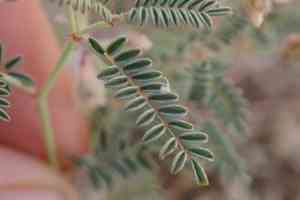
San pedro false prairie-clover flourishes when reproduced via stem sections. Verify that these sections originate from robust, established specimens. Employ a rooting stimulant to boost successful establishment and embed them in substrate that drains effectively. Supplying warmth and sustaining uniform hydration is essential. Sufficient illumination, avoiding direct sunlight, fosters superior development. Periodically inspect for infestations and ailments to guarantee vigorous progress.
When Is the Best Time to Propagate San Pedro False Prairie-clover?
Propagation Type
Cutting
Propagation Season
Autumn,Winter
What Tools Are Used in San Pedro False Prairie-clover Propagation?
Pruning Shears
Pruning shears are crucial for taking cuttings from san pedro false prairie-clover. They ensure clean cuts, which lowers infection risk and promotes faster rooting. Sharp, sanitized shears guarantee healthy, viable cuttings.
Rooting Hormone
Rooting hormone encourages cuttings to develop roots more quickly and strongly. This is especially beneficial for san pedro false prairie-clover, as it boosts the likelihood of successful propagation.
Propagation Trays
Propagation trays offer an organized, controlled setting for starting cuttings. They help maintain consistent moisture and facilitate better root development for san pedro false prairie-clover.
Humidity Dome
A humidity dome maintains high humidity, vital for san pedro false prairie-clover cuttings to prevent drying out while roots form. This ensures a higher propagation success rate.
Sterile Growing Medium
A sterile growing medium, like a perlite and peat moss blend, is necessary to provide the right balance of drainage and moisture retention, ideal for san pedro false prairie-clover's rooting process.
Spray Bottle
A spray bottle is used to mist cuttings, maintaining sufficient moisture without over-watering. This helps keep delicate san pedro false prairie-clover cuttings hydrated and promotes healthy root growth.
Heat Mat
A heat mat placed under the propagation tray can provide consistent bottom warmth, accelerating root formation for san pedro false prairie-clover. This tool is particularly useful in cooler environments.
Labeling Stakes
Labeling stakes ensure each cutting is properly identified throughout the propagation process. This is important for tracking different stages and monitoring san pedro false prairie-clover's progress.
How to Propagate San Pedro False Prairie-clover?
Propagation Type
Moderately Difficult
How to Care for Your Newly Propagated San Pedro False Prairie-clover?
How to Care for Your Newly Propagated San Pedro False Prairie-clover?
Once rooted, gradually acclimate san pedro false prairie-clover to outdoor conditions by increasing sun exposure. Transplant rooted cuttings into individual pots with well-draining soil. Water regularly, keeping the soil moist but not waterlogged. Fertilize sparingly with a balanced, water-soluble feed. Protect young plants from extreme temperatures and pests. Monitor for stress or disease and adjust care as needed.
Common Mistakes to Avoid When Propagating San Pedro False Prairie-clover
Overwatering
Excessive watering can cause root rot, a primary reason for propagation failure in san pedro false prairie-clover. This plant prefers well-drained soil, and too much moisture can impede its growth.
Inadequate Light
Placing san pedro false prairie-clover in low light conditions can hinder its growth and prevent successful propagation. This plant thrives in bright, sunny environments.
Poor Soil Choice
Using soil that drains poorly can lead to significant problems. San pedro false prairie-clover prefers sandy or loose, well-draining soil to prevent waterlogging and root diseases.
Neglecting Pest Control
Failing to monitor for pests can result in infestations that severely damage young plants. San pedro false prairie-clover can be vulnerable to various pests that require prompt management.
Improper Cutting Technique
Taking cuttings without sterilizing tools or cutting at the wrong spot can lead to low success rates. Clean, precise cuts are essential for the plant's propagation.
Tips For Propagating San Pedro False Prairie-clover
Optimal Watering
Water san pedro false prairie-clover sparingly, ensuring the soil drains well. Allow the soil to dry slightly between waterings to prevent root rot.
Provide Adequate Light
Ensure the plant receives ample sunlight. Position san pedro false prairie-clover where it can get several hours of light daily.
Use Well-Draining Soil
Choose a sandy or well-aerated soil mix that promotes good drainage. This helps prevent water accumulation around the roots.
Regular Pest Monitoring
Regularly inspect san pedro false prairie-clover for signs of pests and act immediately if any are found. Use appropriate pesticides or natural remedies to maintain plant health.
Clean Cutting Tools
Use sterilized tools to take cuttings from san pedro false prairie-clover to prevent disease spread. Make clean, angled cuts to enhance rooting success.



