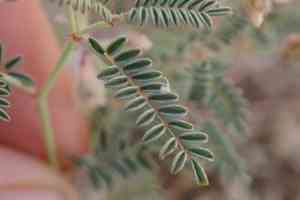
San pedro false prairie-clover (Marina calycosa)
Also known as: Marina biflora
San Pedro false prairie-clover (Marina orcuttii) features distinctive adaptations for survival in its native scrub and woodland habitats. The plant's deep root system efficiently taps into groundwater, ensuring sustenance during droughts. Its small, compound leaves minimize water loss, crucial for enduring arid conditions. Notably, the plant blooms following seasonal rains, which aligns its reproductive cycle with periods of higher moisture. Additionally, its seeds can lie dormant until optimal growth conditions arise, further enhancing its resilience in challenging environments. These traits collectively enable the San Pedro false prairie-clover to thrive in well-drained soils typical of its native regions.
Attributes of San pedro false prairie-clover
Images of San pedro false prairie-clover
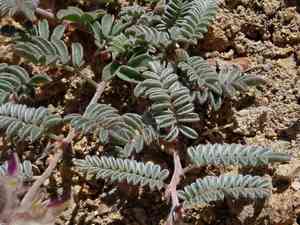
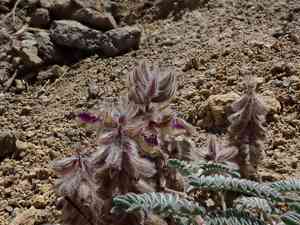
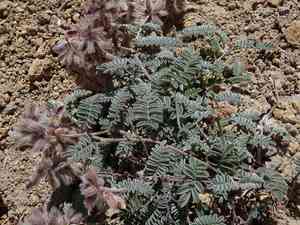
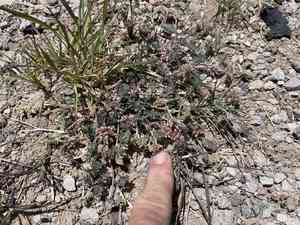
Quickly Identify San pedro false prairie-clover
Scientific Classification of San pedro false prairie-clover
Planting and Growing of San pedro false prairie-clover
 How to Water San pedro false prairie-clover?
 What Are the Sunlight Requirements for San pedro false prairie-clover?
 What Is the Ideal Temperature Range for San pedro false prairie-clover?
 What Soil is Best for San pedro false prairie-clover?
 How to Fertilize San pedro false prairie-clover?
 How to Prune San pedro false prairie-clover?
 How to Propagate San pedro false prairie-clover plant?
 How to Repot San pedro false prairie-clover plant?
Toxicity
Ingestion, Contact with sap



