How to Prune San pedro false prairie-clover?
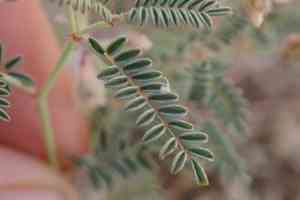
Dalea ornata is a unique specimen featuring prominent blossoms and delicate leaves. To achieve peak development, perform trimming in the latter part of winter or early spring. Eliminate any lifeless or compromised stalks, and reduce dense areas to improve air movement and light exposure. Trimming encourages more robust flowering and deters ailments. Always employ sanitized, keen implements to prevent lacerating the plant's structure. This consistent upkeep will ensure Dalea ornata remains robust and visually appealing.
What Are the Benefits of Pruning San Pedro False Prairie-clover?
What Are the Benefits of Pruning San Pedro False Prairie-clover?
Trimming san pedro false prairie-clover encourages robust development, maintains a desired form, enhances its overall look, boosts pest and disease resistance, and fosters healthy growth. Regular trimming ensures san pedro false prairie-clover's optimal health and longevity.
What Is the Best Time for Pruning San Pedro False Prairie-clover?
What Is the Best Time for Pruning San Pedro False Prairie-clover?
Trimming san pedro false prairie-clover in late winter or early spring is optimal as the plant is dormant, minimizing shock and allowing proper healing before active growth. This timing also permits shaping before new growth, improving structure and promoting more vigorous development. Additionally, pruning before flowering or fruiting ensures efficient energy allocation, leading to better blooms and overall health.
What Tools Do I Need to Prune San Pedro False Prairie-clover?
Bypass Pruners
Essential for making clean cuts on live wood without crushing stems, which is crucial for maintaining the plant's health.
Loppers
Useful for cutting thicker branches that the bypass pruners cannot handle. Ideal for reaching into denser growth.
Pruning Saw
Needed for managing larger branches that are too thick for loppers, ensuring clean and precise cuts.
Long-handled Shears
Allows for reaching higher or deeper areas without straining. Perfect for trimming small branches and shaping the plant.
Hand Pruners
Great for precise, close-up work on smaller stems and foliage, providing more control for intricate pruning tasks.
How to Prune San Pedro False Prairie-clover
Inspection
Examine san pedro false prairie-clover thoroughly to identify dead branches and diseased branches that need removal. Look for signs of discoloration, lack of leaves, or obvious disease symptoms.
Tools
Prepare sterilized pruning shears or saws suited for the branch size and condition. Ensure tools are clean to prevent the spread of disease.
Remove Dead Branches
Begin by trimming dead branches back to the main stem or to a healthy outward-facing bud. Cut at a slight angle to promote healing and regrowth.
Remove Diseased Branches
Cut away diseased branches, making sure to trim well behind the diseased section into healthy wood. Dispose of the diseased cuttings properly to avoid contaminating other plants.
Clean Up
Collect and discard all trimmings. Clean and disinfect tools again after use to ensure they are safe for future pruning tasks.
Common Pruning Mistakes with San Pedro False Prairie-clover
Over-pruning
Removing too much of the plant at once can stress san pedro false prairie-clover, potentially leading to reduced flowering and weakened growth. It is essential to practice moderation.
Improper Cutting Technique
Using dull or inappropriate tools can cause ragged cuts, leading to increased susceptibility to disease and pest infestation. Ensure you use sharp, clean pruners or shears.
Incorrect Timing
Pruning at the wrong time can impact flowering and regrowth. While the exact best season isn't specified here, always avoid pruning during extreme weather conditions to prevent additional stress on san pedro false prairie-clover.
Ignoring Dead or Diseased Parts
Failing to remove dead or diseased stems can lead to the spread of pathogens within the plant. It's important to regularly check and prune these parts promptly.
Common Pruning Tips for San Pedro False Prairie-clover
Use Sharp Tools
Always use sharp and clean pruning tools to make clean cuts, which promotes faster healing and reduces the risk of disease.
Target Dead and Diseased Wood
Begin by removing any dead, diseased, or damaged stems to keep san pedro false prairie-clover healthy. This also opens up the plant to better air circulation and light penetration.
Focus on Thinning
Prune selectively to thin out crowded branches, improving airflow and reducing the risk of fungal diseases. This encourages healthier growth and better blooms.
Make Angled Cuts
When making cuts, always prune at a slight angle just above a bud facing outward. This promotes healthy direction of new growth and prevents water from settling on the cuts, which could lead to rot.



