How to Transplant Long nipple cactus?
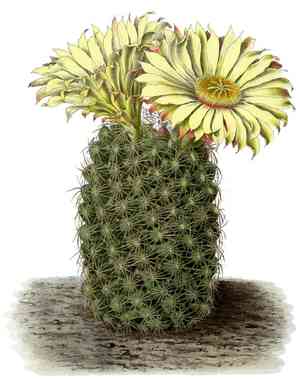
The prime period for relocating long nipple cactus is during the height of the warm season, specifically from mid to late summer, as these robust perennials flourish amidst extended, warm daylight hours. Select a location that receives ample sunlight and possesses soil with good drainage. During the transfer process, exercise caution to prevent harm to the fragile root system.
What Preparations are Needed Before Transplanting Long Nipple Cactus?
What is the Ideal Time for Transplanting Long Nipple Cactus?
The height of summer's warmth, particularly from mid to late summer, offers the perfect chance to relocate long nipple cactus. This period's consistent temperatures and minimal risk of transplant shock aid root establishment, ensuring a smooth move to new surroundings. Additionally, by transplanting long nipple cactus now, it gets ample time to recover before colder seasons arrive, setting the stage for vigorous growth in spring.
How Much Space Should You Leave Between Long Nipple Cactus Plants?
When relocating long nipple cactus, allow each plant adequate room. Aim for a spacing of 1-2 feet (30-60 cm) between each one. This ensures your long nipple cactus has sufficient space to develop without competing for resources.
What is the Best Soil Mix for Long Nipple Cactus Transplanting?
For long nipple cactus, select a soil mixture that drains effectively. Cactus potting mixes are an excellent choice due to their ideal texture. Incorporating a small amount of base fertilizer, such as compost or aged manure, will also enhance the soil's nutrient content.
Where Should You Relocate Your Long Nipple Cactus?
Placement is crucial for long nipple cactus. Ensure it's situated where it will receive abundant sunlight, ideally full sun. However, a location with afternoon shade would also be suitable if you reside in a hot climate.
What Equipments Should You Prepare Before Transplantation Long Nipple Cactus?
Gardening Gloves
These are vital for protecting your hands from spines when handling long nipple cactus.
Spade
You will need this tool to excavate the hole for your new plant and to carefully extract it from its original container or ground.
Watering Can
This is utilized to moisten the soil of both the original and new planting sites, facilitating an easier transition for your plant.
Pruning Shears
You might require these to trim any damaged roots or stems prior to transplanting.
Garden trowel
This can assist you in handling the cactus without getting pricked and in making minor adjustments to the plant's position within the hole.
Pot (if applicable)
If you are moving from a pot to the ground, ensure you have a pot of appropriate size for long nipple cactus.
Cactus mix or well-draining soil
Long nipple cactus prefers a gritty, fast-draining blend that is less prone to clumping.
How Do You Remove Long Nipple Cactus from the Soil?
How Do You Remove Long Nipple Cactus from the Soil?
From the Ground: Begin by irrigating the long nipple cactus plant to soften the earth. Next, carefully dig a trench around the plant using a spade, making sure the plant's root ball remains intact. Gently work the spade beneath the root ball to lift the plant from the ground. Finally, shake off excess soil, being careful not to harm any roots.From a Pot: Thoroughly water the plant in its container, then invert it while holding your hand over the soil. Gently tap the bottom of the pot, and the plant, along with the soil, should slide out. If the plant resists, you may need to cut the pot away.From a Seedling Tray: Water the seedlings first. Carefully separate individual long nipple cactus using a dibber or a pencil, grasping them by their leaves and exercising extreme caution to avoid damaging the stem or roots.
Step-by-Step Guide for Transplanting Long Nipple Cactus
Preparation
Begin by digging a hole deep enough to accommodate the roots of your long nipple cactus and twice as wide. If you're moving it to a pot, ensure the pot has a drainage hole. Confirm the hole's depth and width are sufficient for your cactus's root ball.
Positioning
Gently lower long nipple cactus into the hole or pot. The base of the stem should be flush with or slightly above the ground level.
Backfilling
Carefully backfill the hole with soil or cactus mix, firming around the base to ensure stability. Maintain the soil level so it does not cover the first set of mature leaves.
Watering
Water in without saturating to help settle the soil.
How Do You Care For Long Nipple Cactus After Transplanting?
Moisture
After relocation, refrain from watering your long nipple cactus for a brief period (approximately one week to 10 days) to allow it to recover from any root damage. Afterward, water sparingly as long nipple cactus dislikes sitting in wet soil.
General Care
Position your long nipple cactus in a spot where it will receive ample indirect sunlight, which is vital for its development. Also, shield it from sudden temperature drops, especially during winter.
Maintenance
Monitor your long nipple cactus closely, checking for any indications of disease, pests, or stress following the transplant. Yellowing or wilting could signal overwatering or insufficient appropriate sunlight.
Troubleshooting Common Issues with Long Nipple Cactus Transplantation.
When should I transplant my long nipple cactus?
The optimal time to move your long nipple cactus is during the late spring to mid-summer period. This provides ample time for the plant to acclimate to its new environment before winter.
What's the best method to wet the root ball of long nipple cactus during transplantation?
Ensure long nipple cactus's root ball is thoroughly hydrated before the move. You can achieve this by submerging it in water for 10-15 minutes or until no air bubbles are observed rising.
What should be the ideal space between long nipple cactus plants during transplant?
It's best to place each long nipple cactus plant at a distance of about 1-2 feet (30-60cm). This allows sufficient room for their growth.
What type of soil is best for transplanting my long nipple cactus?
Your long nipple cactus prefers a well-draining soil, such as a suitable cacti/succulent mix. However, a standard potting mix with added sharp sand or fine gravel can also be adequate.
Should I prune my long nipple cactus while transplanting?
Pruning is not necessary during relocation. Focus on ensuring that your long nipple cactus is correctly planted and watered in its new spot.
What should I do if my long nipple cactus is wilting after transplanting?
Wilting after relocation is common as the long nipple cactus adjusts. Ensure it receives proper sunlight and water. Also, verify it's planted in well-draining soil.
What could be the reason if the long nipple cactus isn't growing after transplantation?
Lack of growth could stem from transplant stress, poor soil conditions, inadequate light, or over/under-watering. It typically takes a few weeks for long nipple cactus to adapt.
How can I prevent fungal diseases on long nipple cactus during transplanting?
Avoid overwatering your long nipple cactus, which leads to fungal diseases. Also, ensure your chosen location has good air circulation and properly drains excess water.
Is it necessary to feed the long nipple cactus right after transplantation?
No, it's not required. Allow your long nipple cactus several weeks to adjust to the new location before applying any fertilizer. When you do, a balanced feed is most suitable.
Why are the leaves of my long nipple cactus turning yellow after transplantation?
Yellow leaves might indicate overwatering or a poor drainage system. Make sure your long nipple cactus is planted in well-draining soil and is not waterlogged.



